
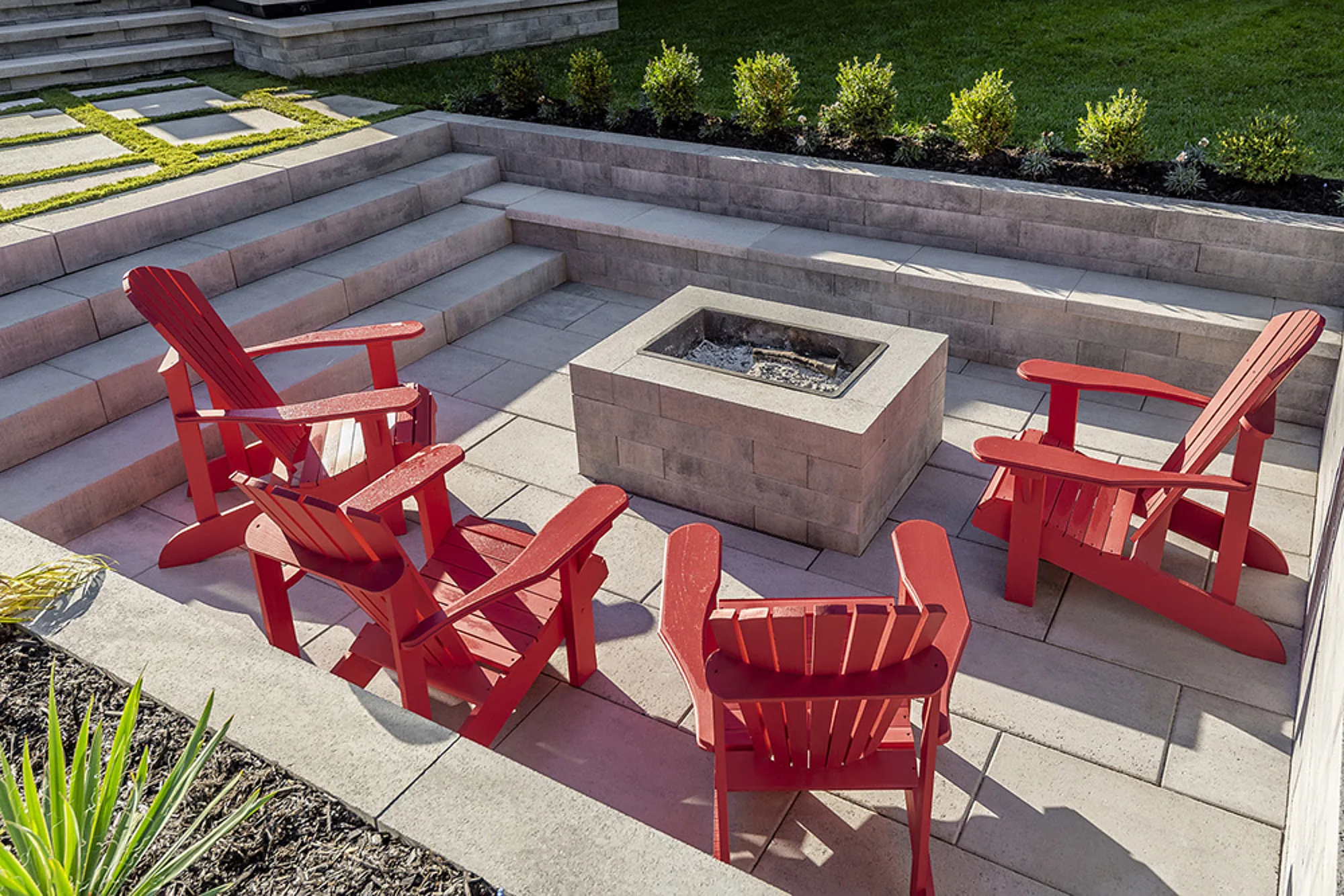
What Are Stone Retaining Walls?
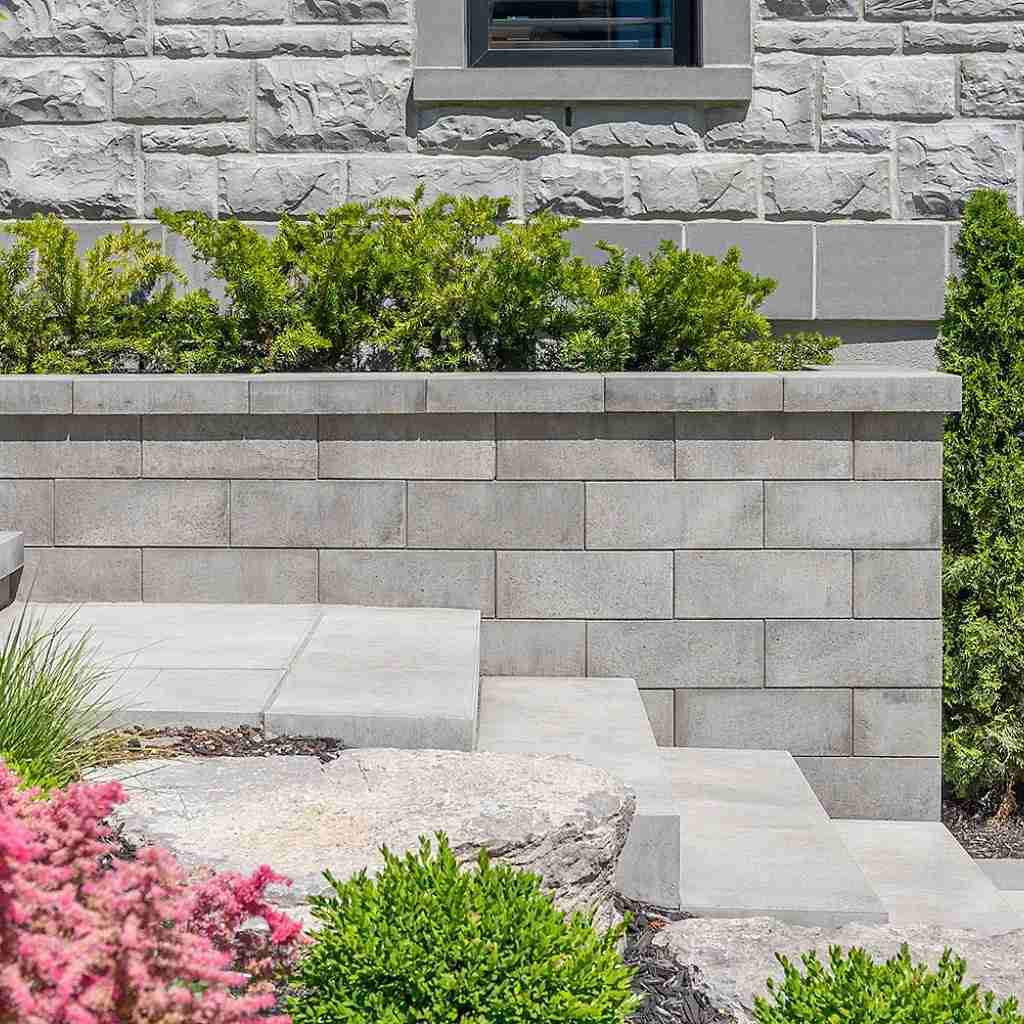
A stone retaining wall is a landscape structure built to retain soil where there is a change in ground elevation. In residential landscaping, retaining walls can also define outdoor spaces, create raised planting beds, and add structure to front and backyards.
Modern retaining wall systems are available in a variety of textures, colors, and profiles, making it possible to complement both contemporary and traditional homes.
If you're exploring retaining wall options, browse the Walls collection to discover products designed for residential landscape projects.
Why Homeowners Choose Stone Retaining Walls
Retaining walls are often included in landscape projects because they combine practical functions with attractive design. They can improve how outdoor spaces are organized while creating opportunities for new planting areas and outdoor living features.
Manage Changes in Elevation
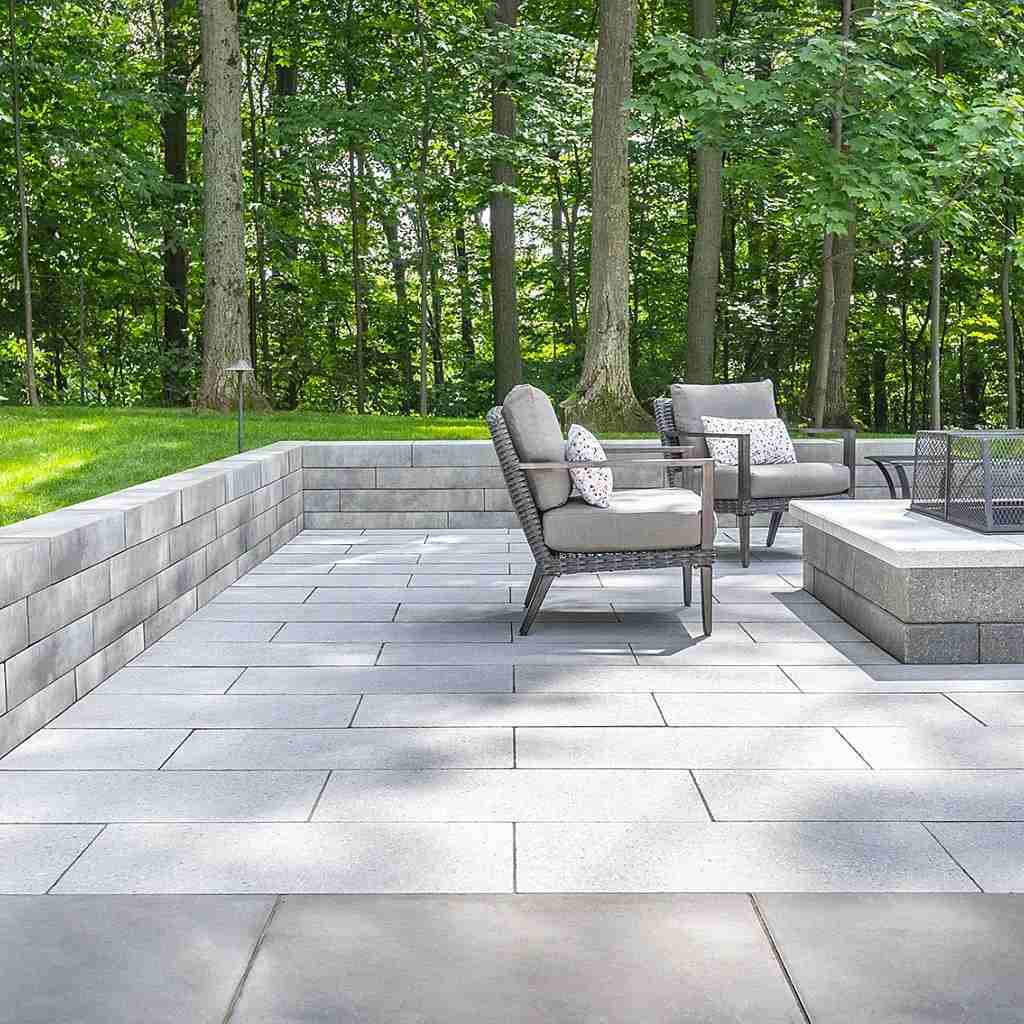
Sloped properties can make landscaping more challenging. Stone retaining walls help create level areas that can be used for gardens, patios, or walkways while supporting the surrounding landscape.
Define Outdoor Spaces
Retaining walls naturally separate different areas of the landscape without requiring fences or large planting beds.
They can be used to define:
- Front yard gardens
- Backyard living areas
- Patio spaces
- Walkways
- Driveway edges
Complement Other Hardscape Features
Stone retaining walls often work alongside other hardscape elements to create a coordinated landscape design.
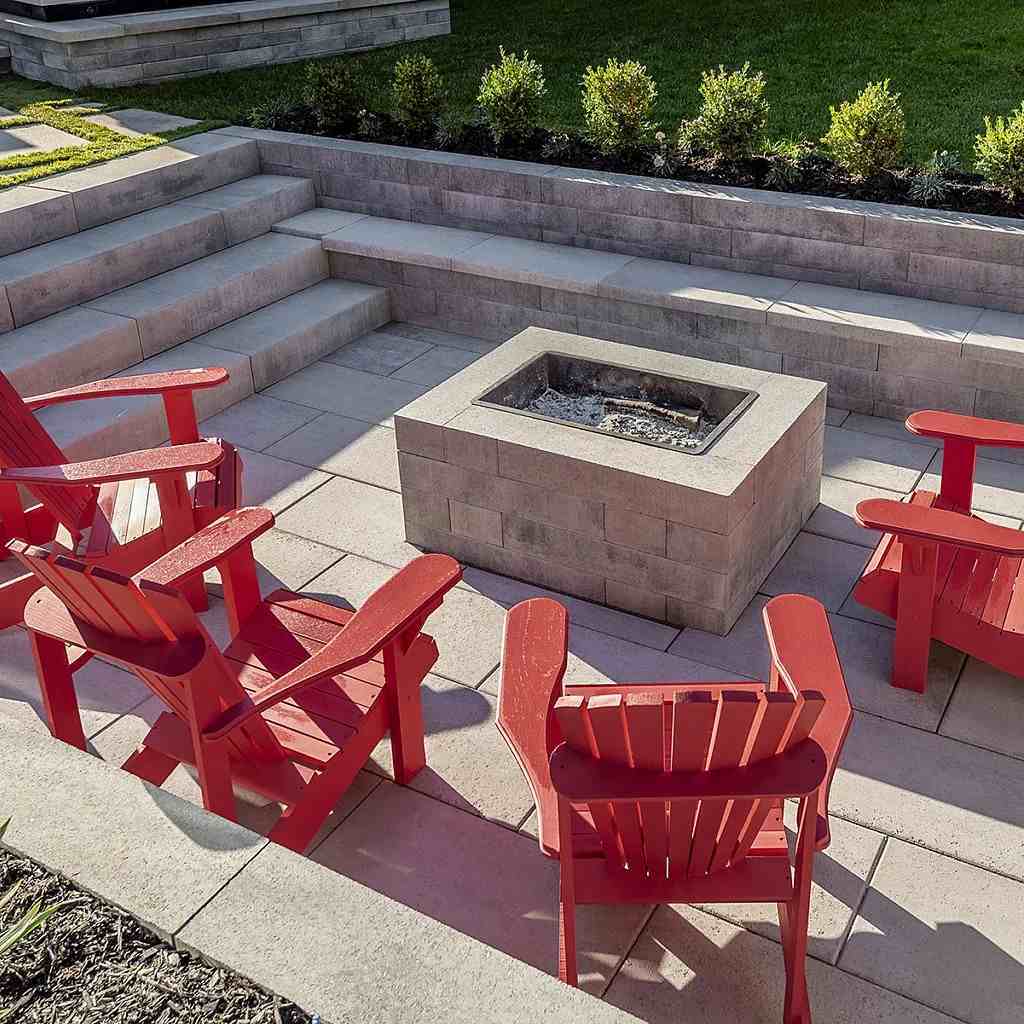
Many homeowners combine retaining walls with:
- Pavers
- Steps
- Landscape Borders
- Patio Slabs
Using complementary materials throughout the landscape helps create consistency from the driveway to the backyard.
Benefits of Stone Retaining Walls
A well-designed retaining wall does more than address changes in elevation. It can improve the layout of your landscape, create additional usable space, and connect different outdoor features into a cohesive design.
Makes Sloped Yards More Usable
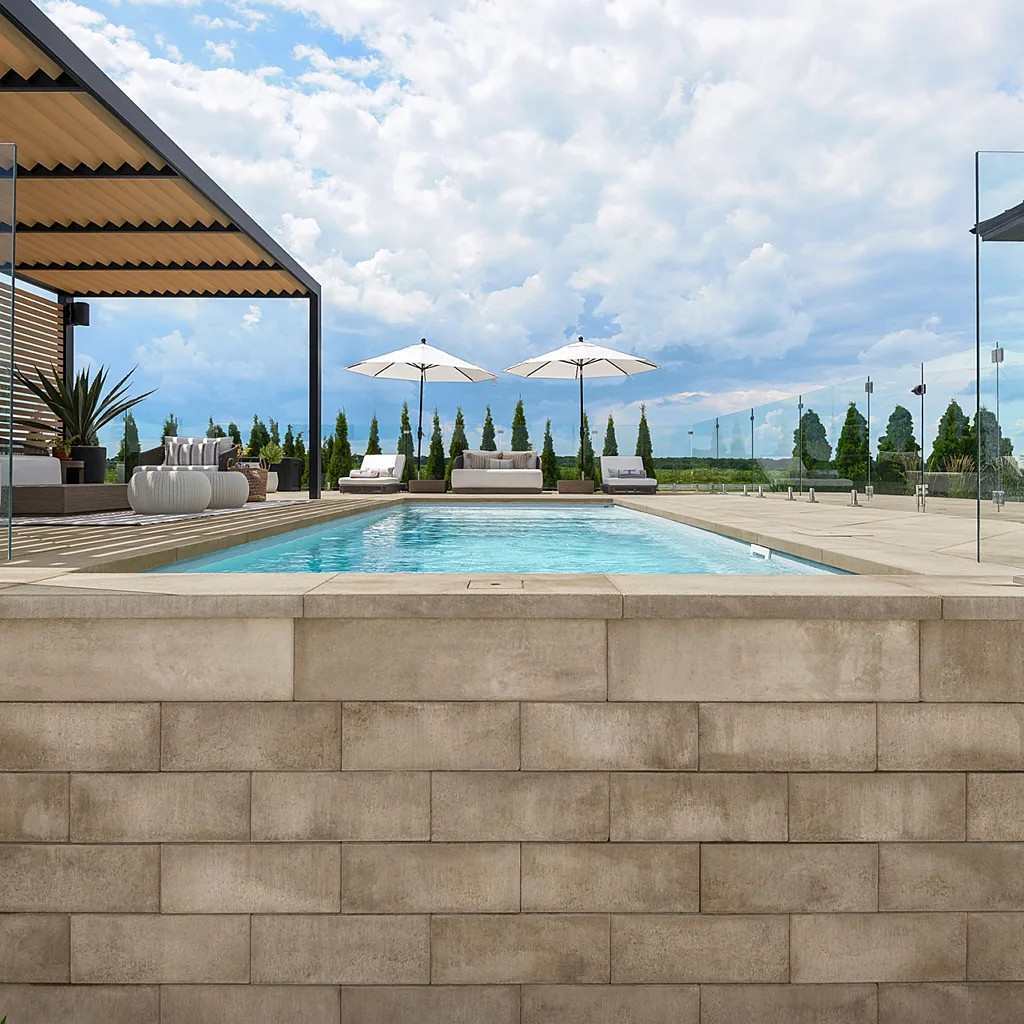
Sloped properties can limit how outdoor spaces are used. Stone retaining walls help divide uneven ground into level sections, making it easier to create patios, gardens, seating areas, or open lawn spaces.
This approach also allows homeowners to make better use of areas that might otherwise be difficult to landscape.
Creates Defined Planting Areas
Retaining walls can be used to separate planting beds from lawns, patios, or walkways, giving the landscape a more organized appearance.
Raised planting areas also provide space for:
- Shrubs
- Perennials
- Decorative grasses
- Seasonal flowers
- Small trees
When paired with Landscape Borders, planting beds can be further defined while maintaining a clean transition between hardscape and softscape.
Adds Dimension to the Landscape
Flat landscapes can sometimes feel uniform. Incorporating retaining walls introduces different heights and layers, creating more visual interest throughout the property.
This layered approach works well in both front and backyards and can help highlight garden features or outdoor living spaces.
Complements Different Home Styles
Stone retaining walls are available in a variety of colors, textures, and finishes, making it easier to coordinate with different architectural styles.
Whether your home has a traditional or contemporary design, selecting materials that complement nearby patios, walkways, and driveways help create a more unified landscape.
Stone Retaining Wall Design Ideas
Every property has different landscaping needs. The following ideas show how retaining walls can be incorporated into residential projects while creating attractive and functional outdoor spaces.
Raised Garden Walls
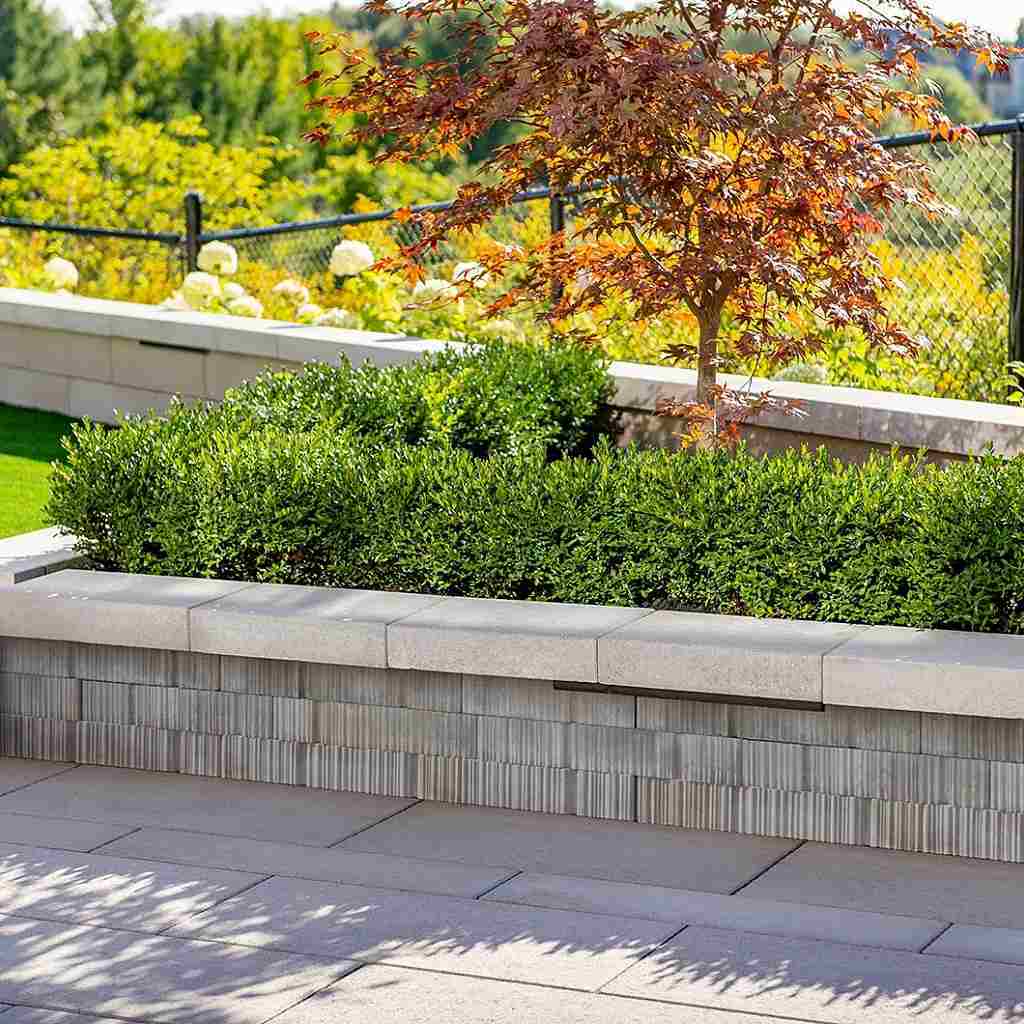
Raised garden walls are one of the most common applications for retaining wall products. They create defined planting areas while adding depth and structure to front yards and backyard gardens.
This design works well around:
- Flower beds
- Shrub borders
- Foundation plantings
- Decorative landscape islands
Terraced Landscapes for Sloped Properties
Homes built on sloped lots often benefit from terraced retaining walls. Instead of one large slope, multiple wall sections create level planting or outdoor living areas that are easier to maintain and enjoy.
Terraced landscapes can also introduce more planting opportunities throughout the yard.
Retaining Walls Around Patios
A retaining wall can help frame a patio, define the outdoor living area, or separate it from surrounding gardens.
For a coordinated landscape, many homeowners combine retaining walls with Patio Slabs to create inviting gathering spaces.
Front Yard Feature Walls
A low retaining wall near the front entrance can define planting beds, frame walkways, and create a welcoming first impression.
Combining retaining walls with Pavers and Steps helps establish a cohesive entrance that connects the driveway, walkway, and home.
Where Can Stone Retaining Walls Be Used?
Stone retaining walls are a practical addition to many residential landscape projects. Beyond supporting changes in elevation, they help define outdoor spaces and create a more organized property layout.
Front Yard Landscapes
A retaining wall can add structure to the front yard by framing planting beds, defining entry areas, or creating a transition between the lawn and the home.
When combined with Pavers and Landscape Borders, retaining walls contribute to a coordinated entrance that complements the home architecture.
Backyard Living Areas
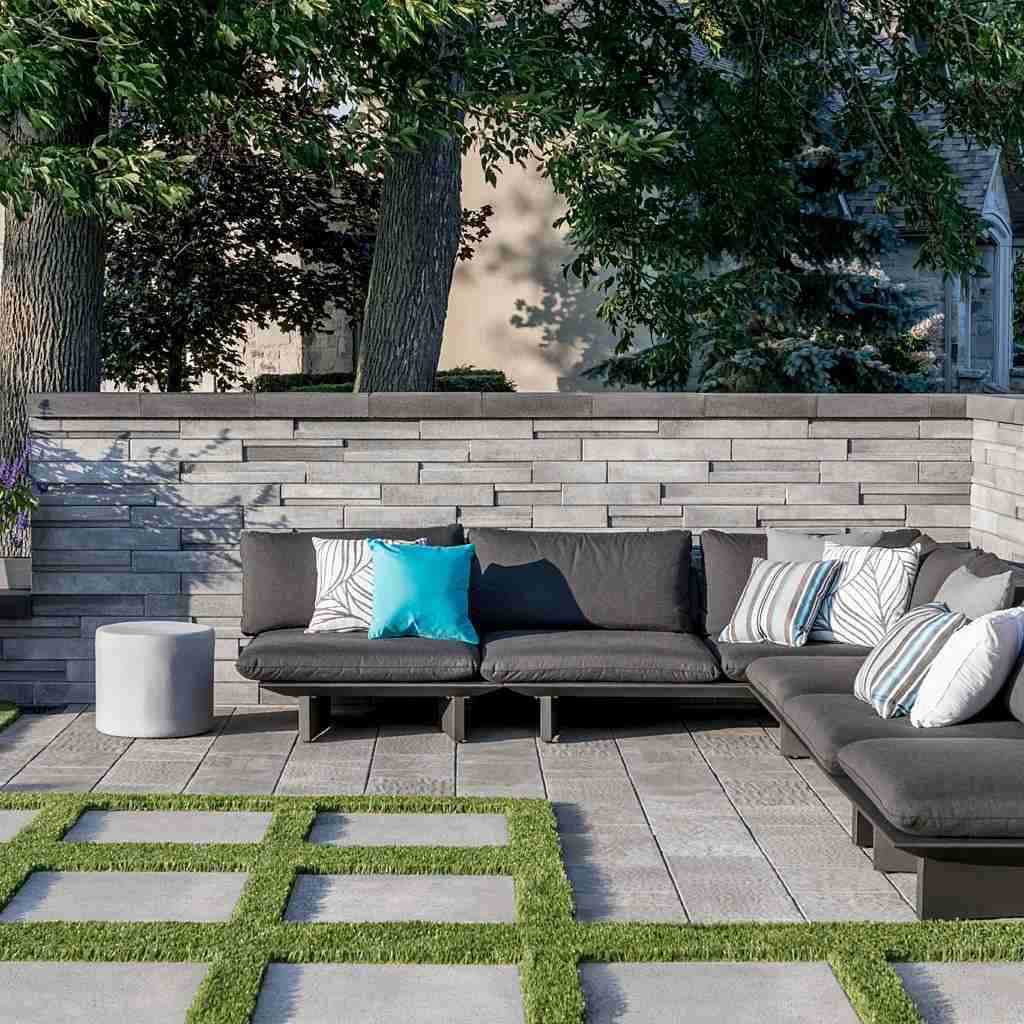
Backyards often include patios, gardens, fire features, and seating areas. Retaining walls can help organize these spaces while creating clear transitions between different outdoor zones.
They can be incorporated around:
- Patios
- Outdoor seating areas
- Garden beds
- Lawn sections
- Entertainment spaces
For homeowners designing a complete outdoor living area, retaining walls pair naturally with Patio Slabs to create well-defined gathering spaces.
Driveways and Side Yards
Retaining walls can also be used alongside driveways or property boundaries where the ground elevation changes. In these areas, they help create cleaner landscape transitions while supporting the overall layout of the property.
Planning Tips Before Building a Stone Retaining Wall
Careful planning helps ensure your retaining wall complements both your landscape and your home design.
Consider the Purpose of the Wall
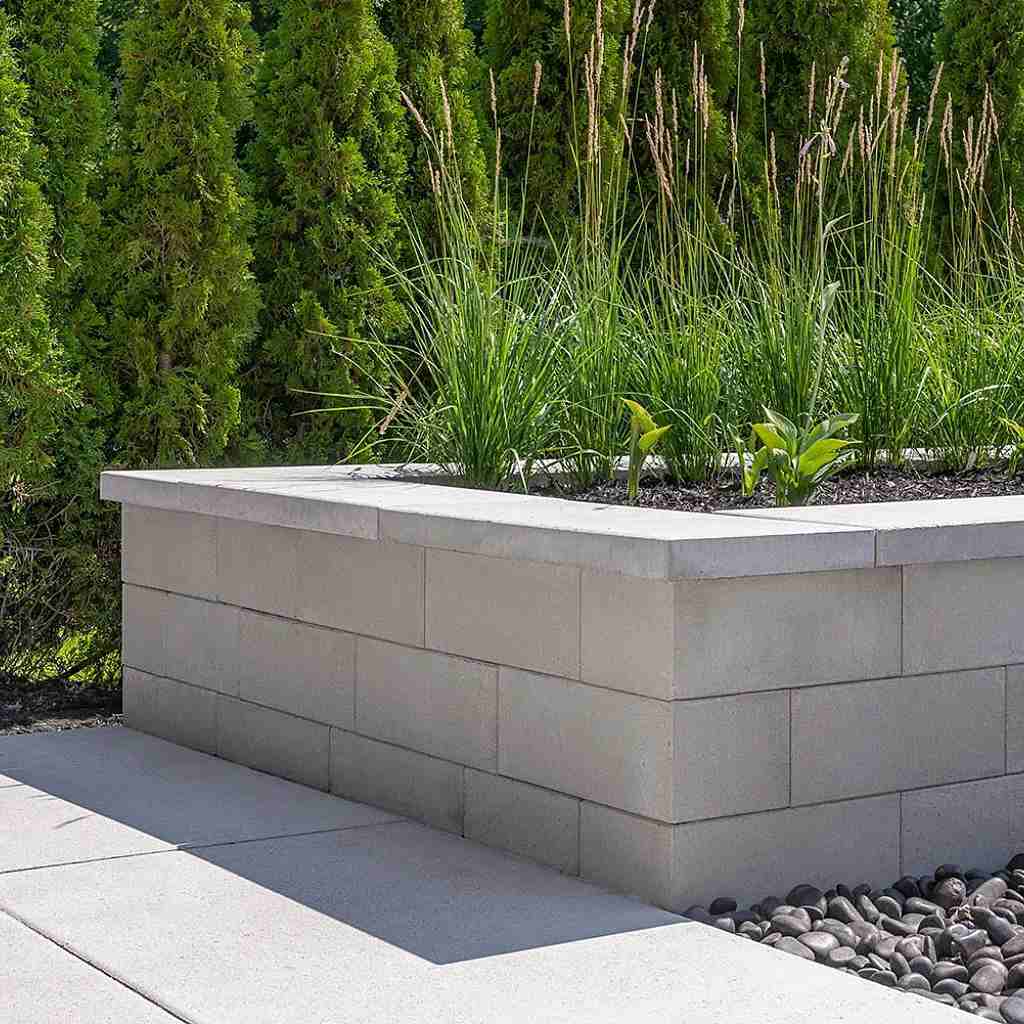
Before selecting products, determine how the wall will be used.
For example:
- Supporting a sloped landscape
- Creating raised planting beds
- Defining outdoor spaces
- Framing a patio
- Separating different landscape areas
Understanding the primary purpose will help guide product selection and overall design.
Choose Materials That Complement Your Landscape
Retaining walls often become a permanent feature of the landscape, so selecting colors and textures that coordinate with nearby hardscape elements is important.
Many homeowners create a cohesive design by pairing retaining walls with matching Pavers, Steps, or Patio Slabs.
Common Mistakes to Avoid
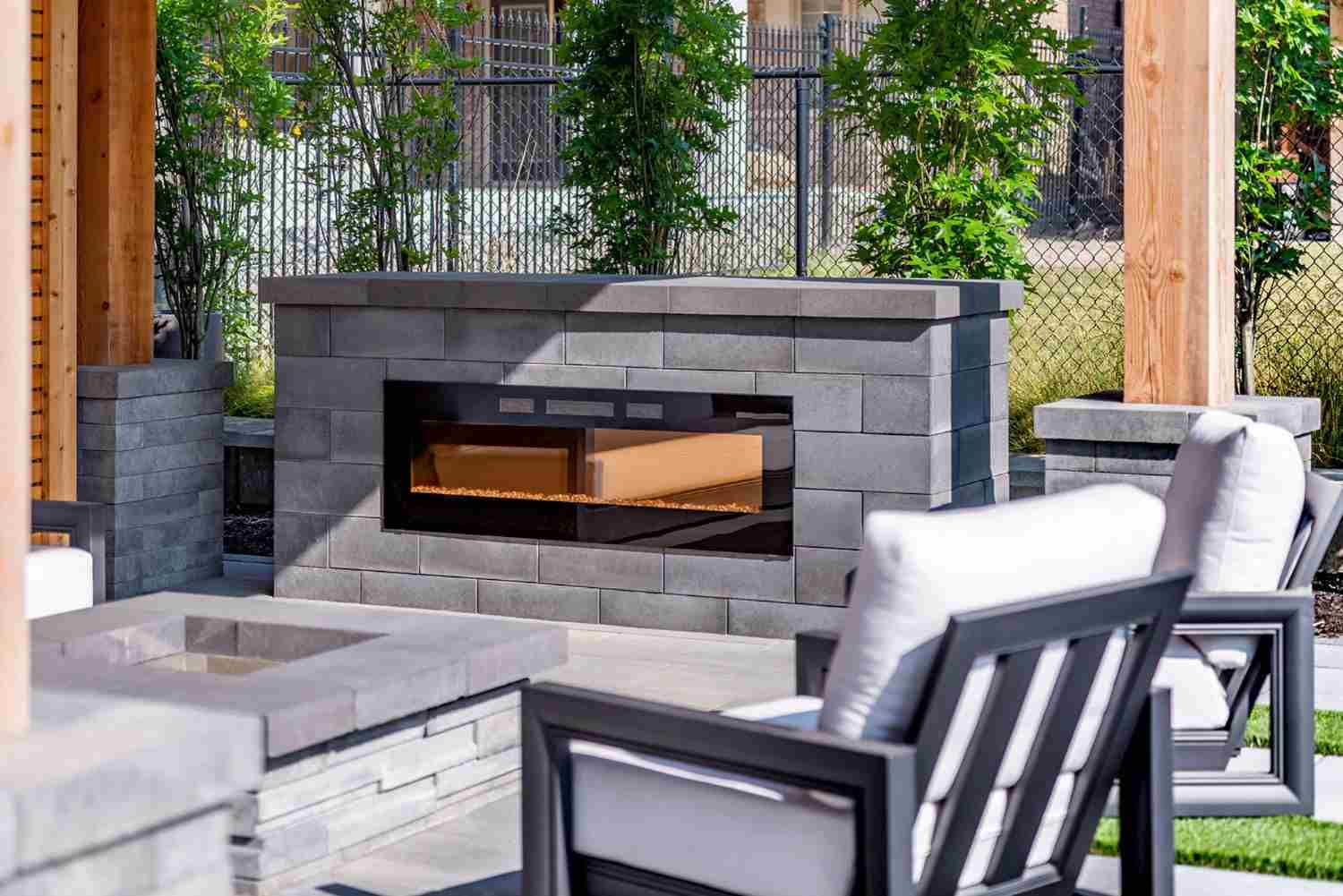
Avoiding a few common mistakes during the planning stage can help your retaining wall project run more smoothly.
Choosing Products Based Only on Appearance
While color and texture are important, the selected wall system should also be appropriate for the intended application and landscape design.
Ignoring the Overall Landscape Plan
A retaining wall should feel like part of the overall landscape rather than a separate feature. Planning patios, walkways, planting areas, and walls together creates a more unified outdoor space.
Overlooking Future Planting
If the wall surrounds planting beds or gardens, consider the space needed for shrubs, flowers, and future plant growth before finalizing the layout.
Skipping Professional Planning
Every property has different site conditions. Consulting with experienced professionals during the planning stage helps ensure the retaining wall is appropriate for the project and installed according to recommended practices.
Conclusion
Stone retaining walls can help organize outdoor spaces, create raised planting areas, and manage changes in elevation while contributing to a well-planned landscape. With a variety of colors, textures, and design possibilities available, they can complement both contemporary and traditional homes.
Before beginning your project, consider how the retaining wall will be used, how it fits within the overall landscape, and which products best match your design goals. Careful planning and quality installation will help create a retaining wall that complements your outdoor space for years to come.
Explore the Walls collection to discover retaining wall products designed for residential landscaping projects.