
Stone veneer vs real stone: What's the difference?
Real stone siding uses natural stone, while stone veneer is a thinner decorative facing that can be made from natural stone or manufactured materials. Manufactured stone veneer is designed to reproduce the appearance of natural stone while generally reducing material weight. The best choice depends on budget, structural requirements, installation conditions, and the desired appearance.
Choosing the right exterior finish can make a major difference in the look and long-term value of a home. Two of the most common options are stone veneer and real stone siding. At first glance, both look similar, but they are very different in terms of material, installation, cost, and performance.
Homeowners often ask: Is stone veneer real stone? Or how does stone siding compare to stone veneer? Understanding these differences can help you decide which option works best for your project.
What is Real Stone Siding?
Real stone siding, sometimes called full stone or natural stone siding, is made from quarried stone. Each piece is cut directly from natural stone blocks and used as cladding for a building’s exterior. Because it comes from the earth, no two pieces are exactly alike.
Real stone siding has been used for centuries. It gives homes a solid, authentic look and is known for its durability. While modern installation methods have improved efficiency, working with natural stone still requires skill and time.
What is Stone Veneer?
Stone veneer is a thinner layer of stone applied to the surface of a wall. It is mostly made of manufactured stones or sometimes from real stone.
- Natural stone veneer: Slices of real stone cut thin for easier handling.
- Manufactured stone veneer: A product made from cement, aggregates, and pigments molded to look like stone.
Because stone veneer is lighter and thinner than full stone siding, it is easier to install and can be used on both interior and exterior walls.
Explore the Rinox Stone Veneer Collection.
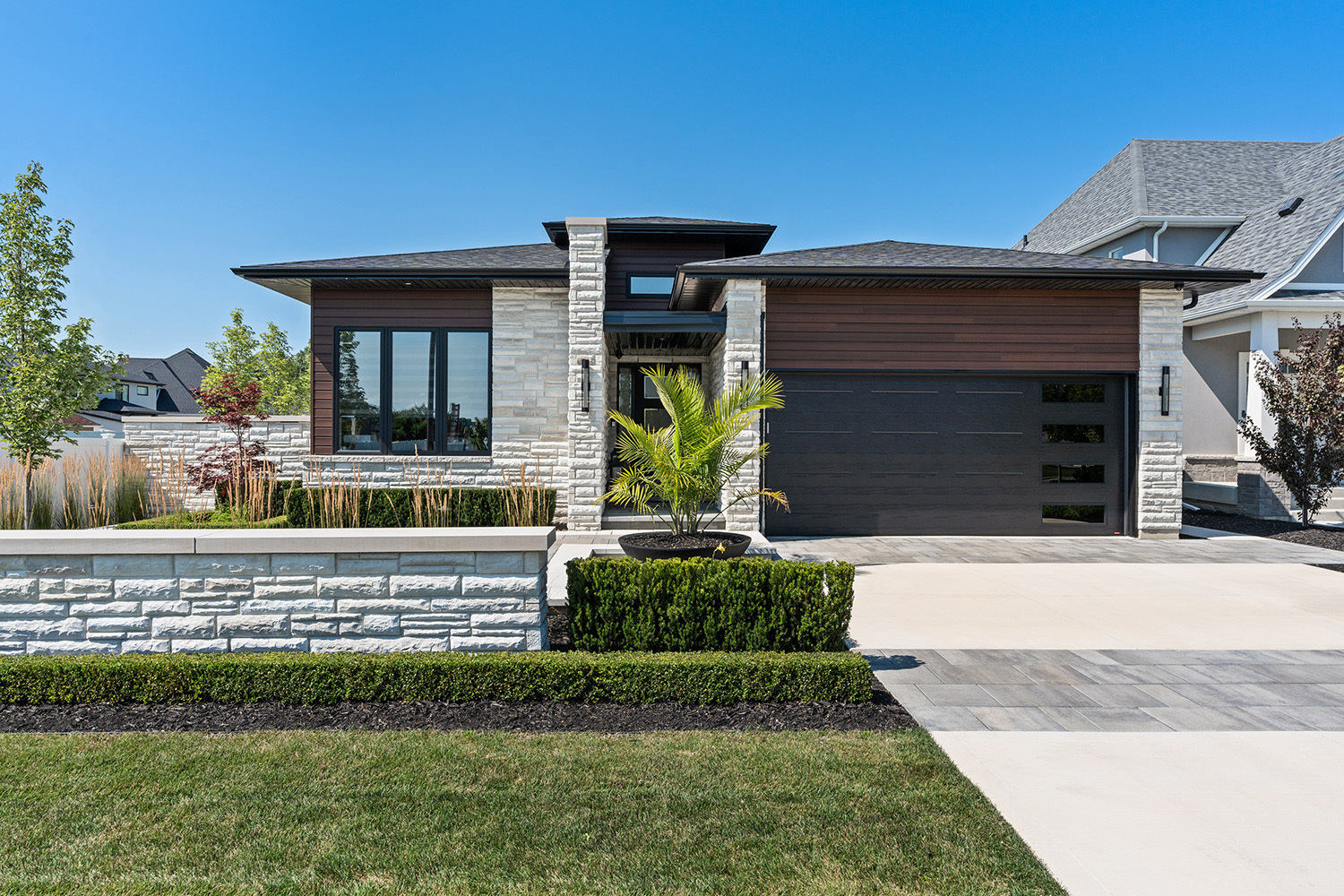
Stone Veneer vs Real Stone: Key Differences
| Feature | Full-Depth Natural Stone | Natural Stone Veneer | Manufactured Stone Veneer |
|---|---|---|---|
| Material | Quarried natural stone | Thin-cut natural stone | Cement-based manufactured material |
| Appearance | Natural variations | Natural variations | Designed stone appearance |
| Weight | Generally heavier | Generally lighter | Generally lighter than full-depth stone |
| Installation | More demanding structural requirements | Depends on backing and installation system | Depends on backing and installation system |
| Cost | Often higher | Varies by stone and labour | Often more economical |
| Winter Suitability | Depends on stone and installation | Depends on product and installation | Depends on product and installation |
While both materials can deliver a beautiful finish, there are several important differences between stone veneer vs real stone.
1. Weight and Structure
- Real Stone Siding: Heavier and requires a strong foundation or wall system. The added weight means more preparation and labor.
- Stone Veneer: Much lighter and can be applied to wood, concrete, or even drywall (with proper backing). This makes it a more flexible choice for renovations.
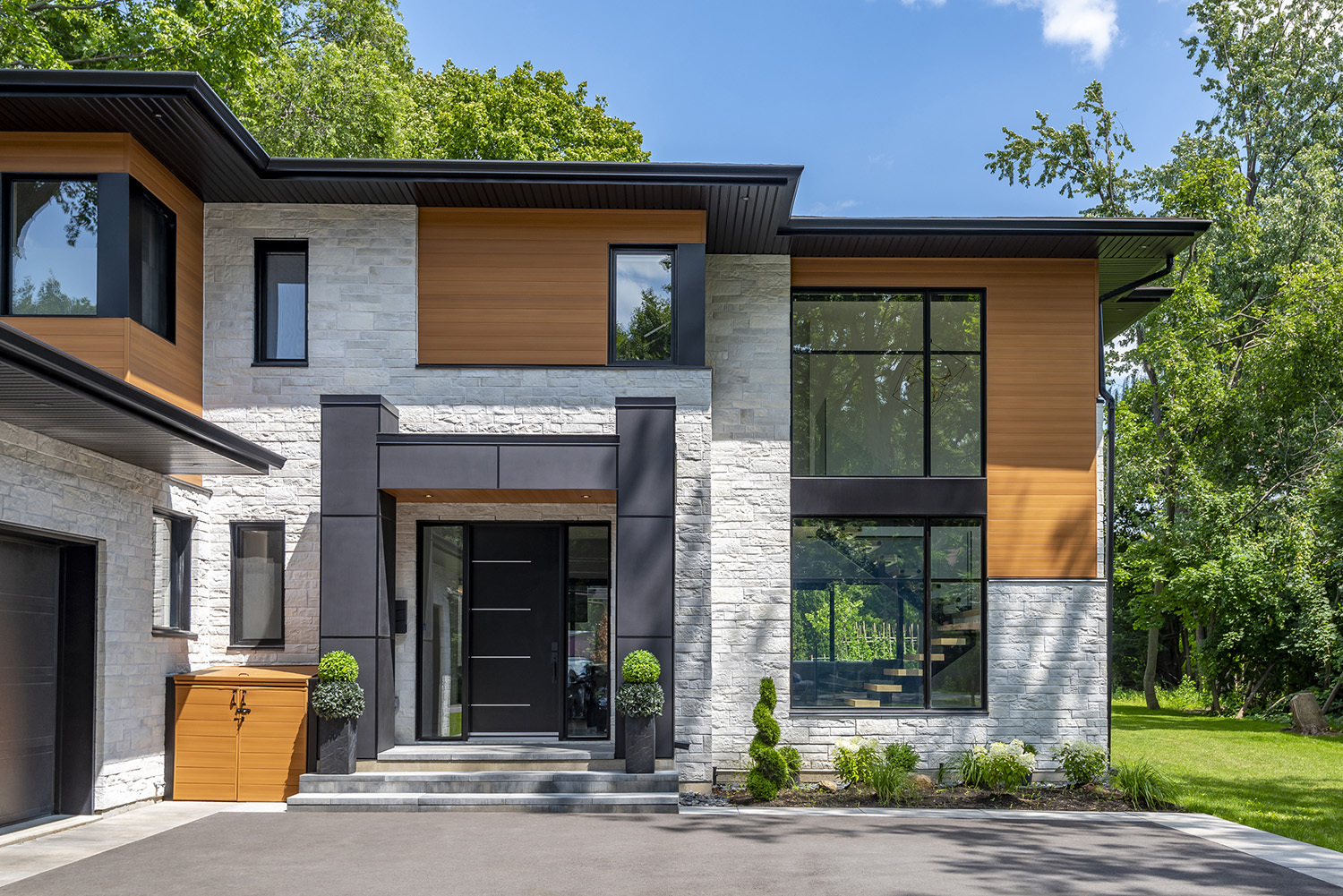
2. Installation
- Real Stone: Installation is labor-intensive and requires masonry skills. Cutting and fitting the stone pieces take time.
- Stone Veneer: Easier to install, making it faster and often less expensive. Veneer is commonly installed in panels or thin pieces with mortar.
*Pro tip: Rinox designed and patented an avant-garde system that facilitates thin veneer installation called the Linea system. Each piece is manufactured with spacers. The spacers allow for the creation of joints with a naturally constant width, without having to use other techniques normally used to maintain a uniform space between the stones.
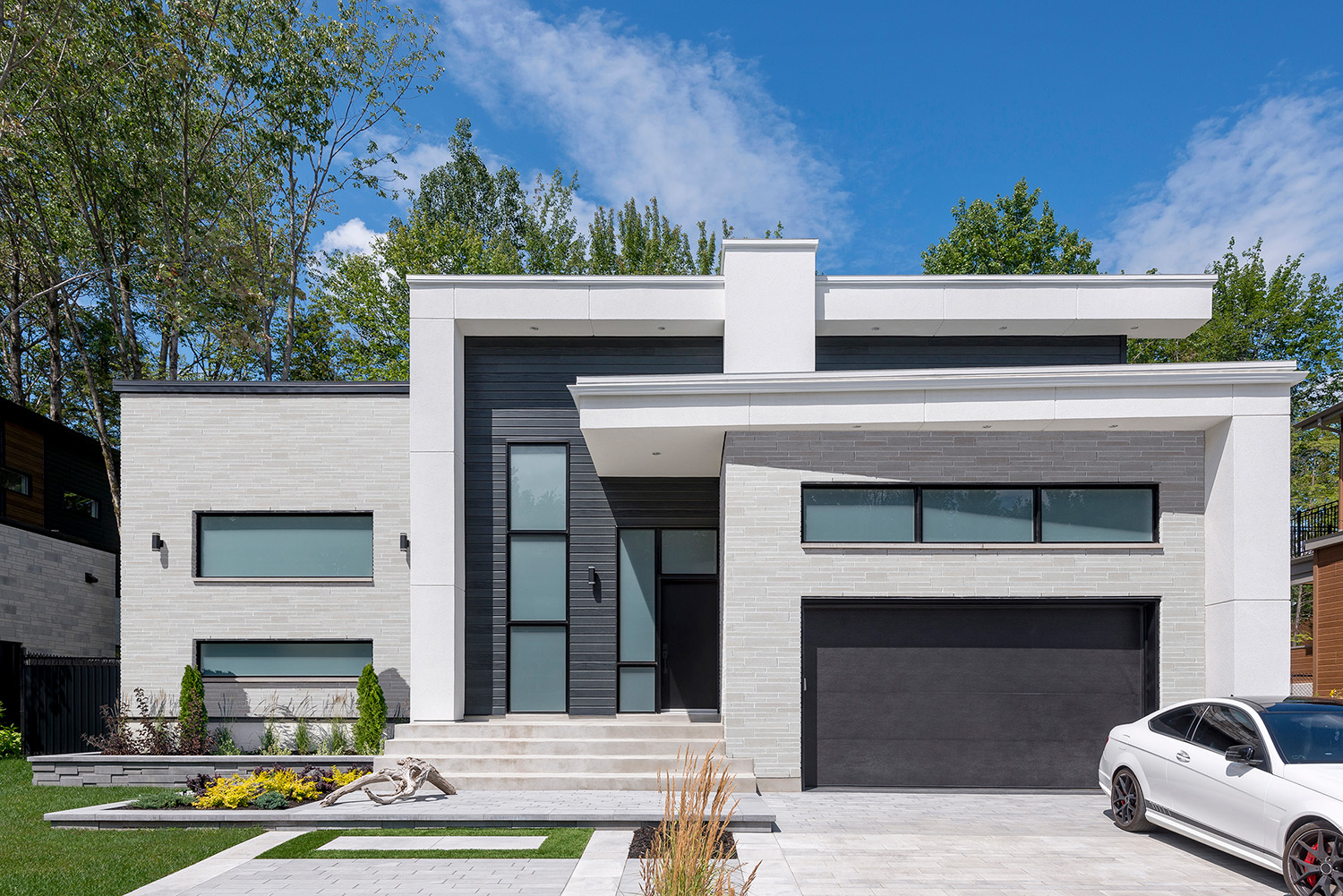
3. Cost
- Real Stone: Higher upfront cost due to quarrying, transportation, and skilled installation.
- Stone Veneer: More affordable, especially manufactured veneer, which can be produced and transported at lower costs.
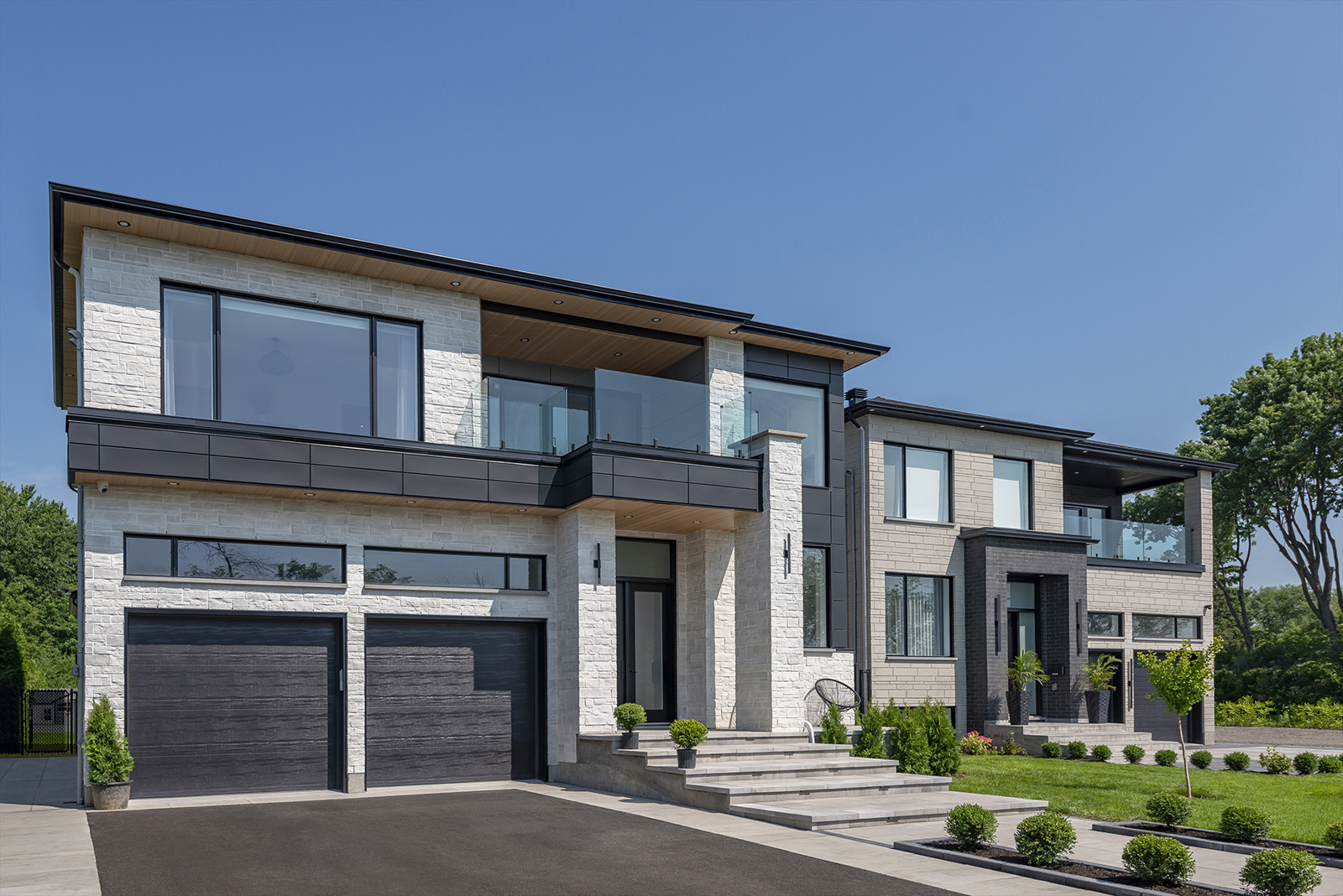
4. Durability
- Real Stone: Incredibly durable and can last for generations with little maintenance. Resistant to weathering and fading.
- Stone Veneer: Also extremely durable. Some manufactured stone veneer can last for decades like the Rinox Stone Veneer. guaranteed for 25 years through the Xclusive Protection warranty.
5. Appearance
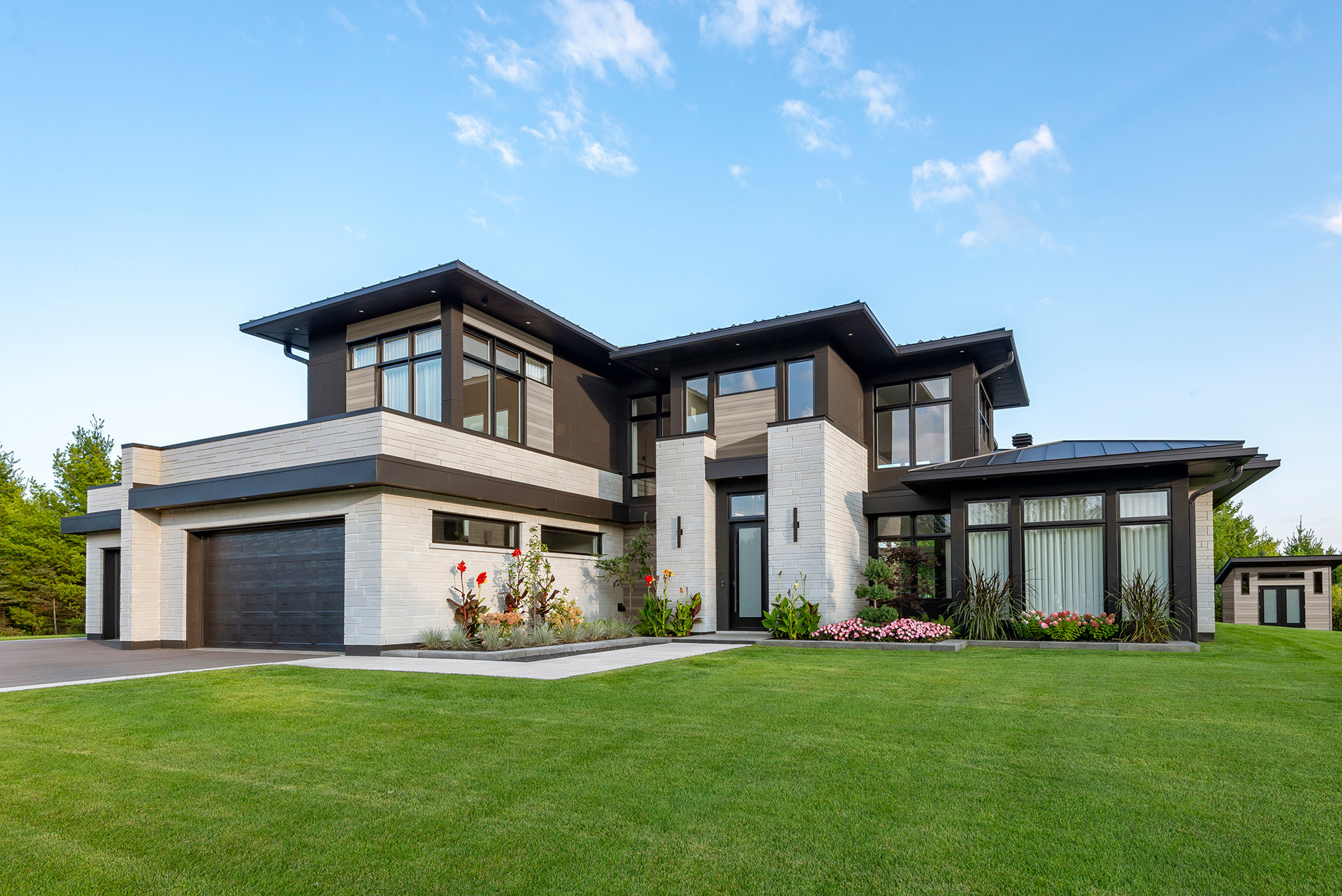
- Real Stone: Unique variations in color, shape, and texture. Each stone has natural patterns that cannot be replicated.
- Stone Veneer: Can be made to look very close to real stone, especially high-quality veneer. Offers more consistency in color and style, which some homeowners prefer.
6. Applications
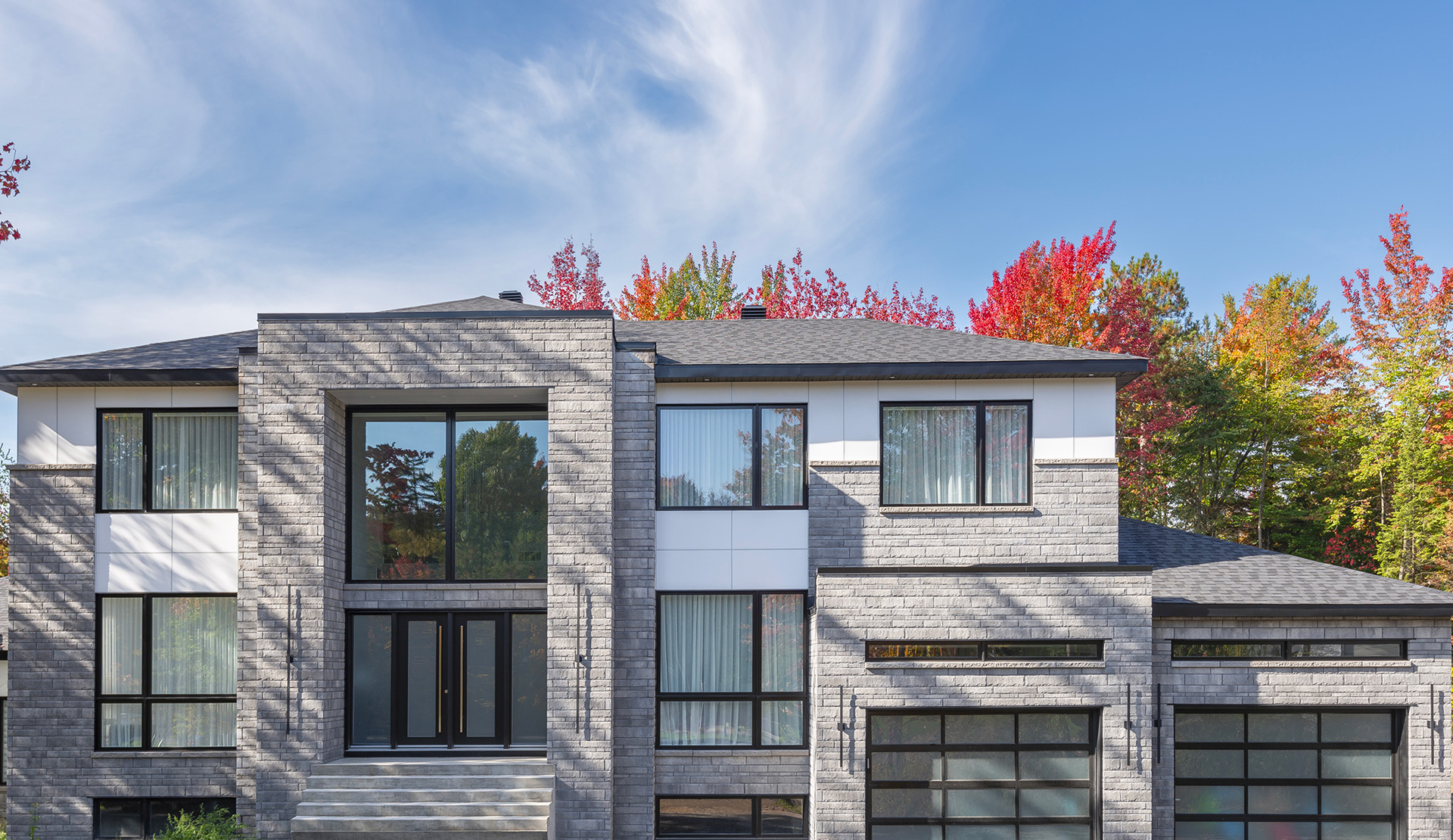
- Real Stone: Best for exterior siding, retaining walls, and projects where longevity and authenticity matter.
- Stone Veneer: Works for both exterior and interior applications, including fireplaces, accent walls, and home siding.
Explore the Rinox Home siding options.
Stone Veneer vs Real Stone: Which Performs Better in Canadian Winters?
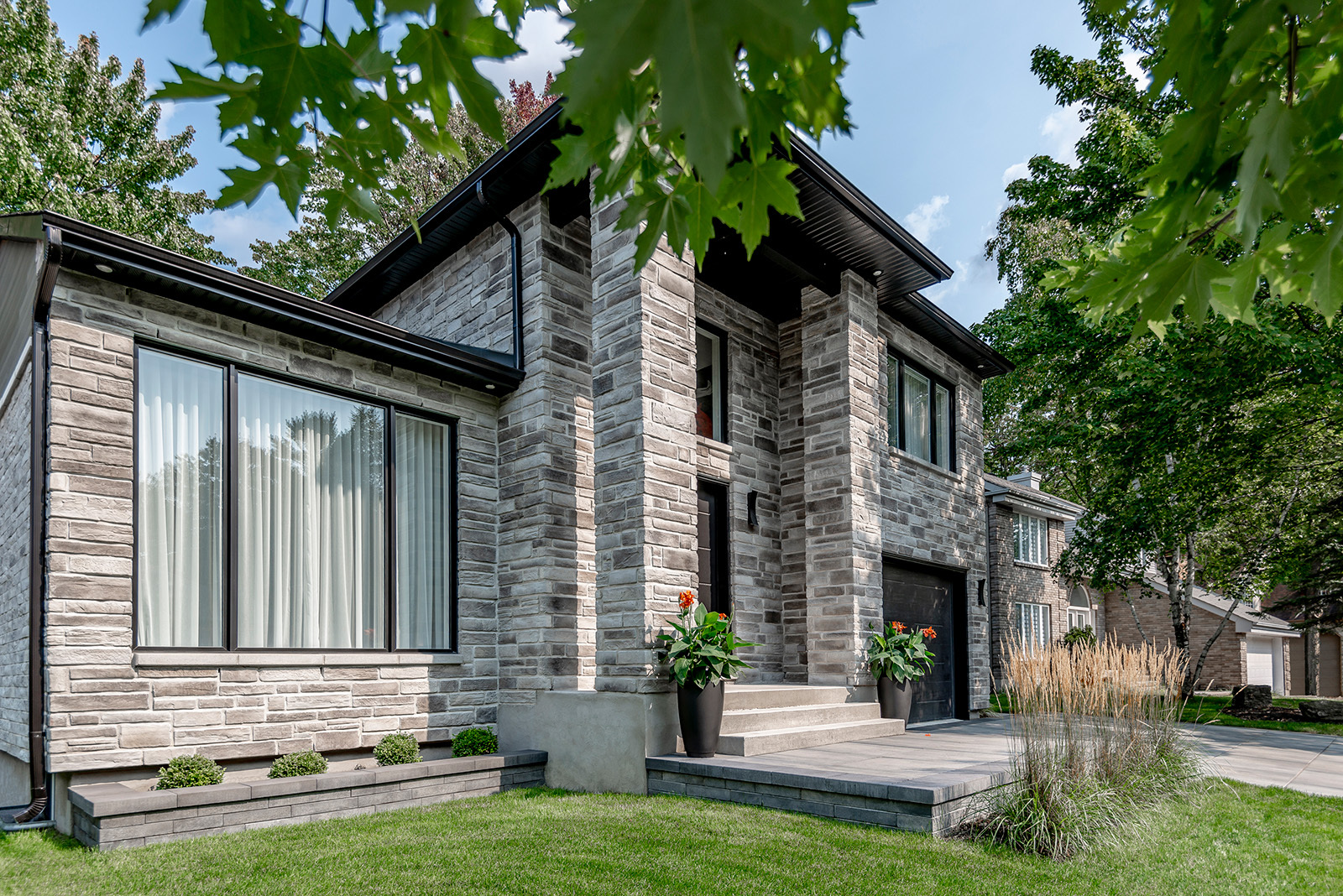
Canadian winters expose exterior masonry to freezing temperatures, moisture, snow, and repeated freeze–thaw cycles. Both natural stone and manufactured stone veneer can be suitable for exterior applications when the materials are approved for the climate and installed correctly.
Freeze thaw resistance
Water entering porous materials or masonry joints can freeze and expand. Repeated cycles may contribute to cracking, surface damage, or deterioration over time. Product quality, moisture management, and installation details all affect performance.
Moisture and drainage
A properly designed wall assembly is essential for exterior stone siding. Appropriate flashing, drainage, water-resistant barriers, and installation methods help manage moisture behind the cladding.
Winter maintenance
Homeowners should inspect visible joints, check for cracks, keep drainage paths clear, and avoid using cleaning chemicals or de-icing products that are not approved for the installed stone or veneer.
Is Stone Veneer Real Stone?
This is a common question homeowners ask when researching stone vs stone veneer. The answer depends on the type:
- Natural stone veneer is real stone, just cut thin.
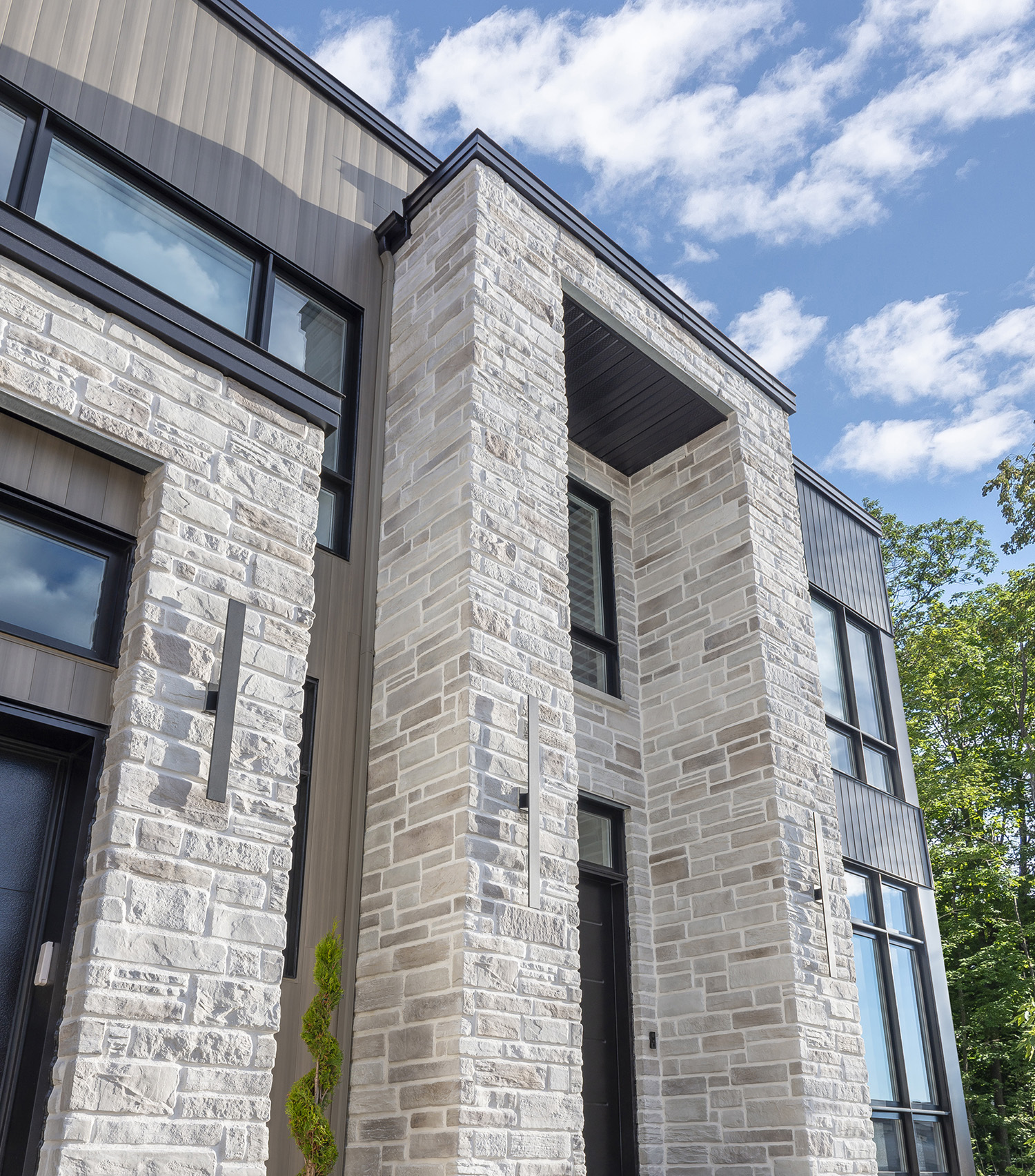
- Manufactured stone veneer is not real stone but is designed to replicate its look but it is as durable as natural stone veneer if you choose a top-notch concrete products manufacturer like Rinox.
Pros and Cons: Stone Siding vs Stone Veneer
To make things clearer, here is a side-by-side look:
Advantages of Real Stone:
- Extremely durable and long-lasting;
- Natural beauty and unique appearance;
- Increases property value;
- Low maintenance.
Disadvantages of Real Stone:
- Higher cost;
- Requires skilled installation;
- Heavy weight limits some applications.
Advantages of Stone Veneer:
- Lightweight and easier to install;
- Lower cost compared to real stone;
- Can be used in more places (interior and exterior);
- Increases property value;
- Wide range of styles and colors.
Disadvantages of Stone Veneer
- Lifespan depends on product type
- Installation requires proper technique
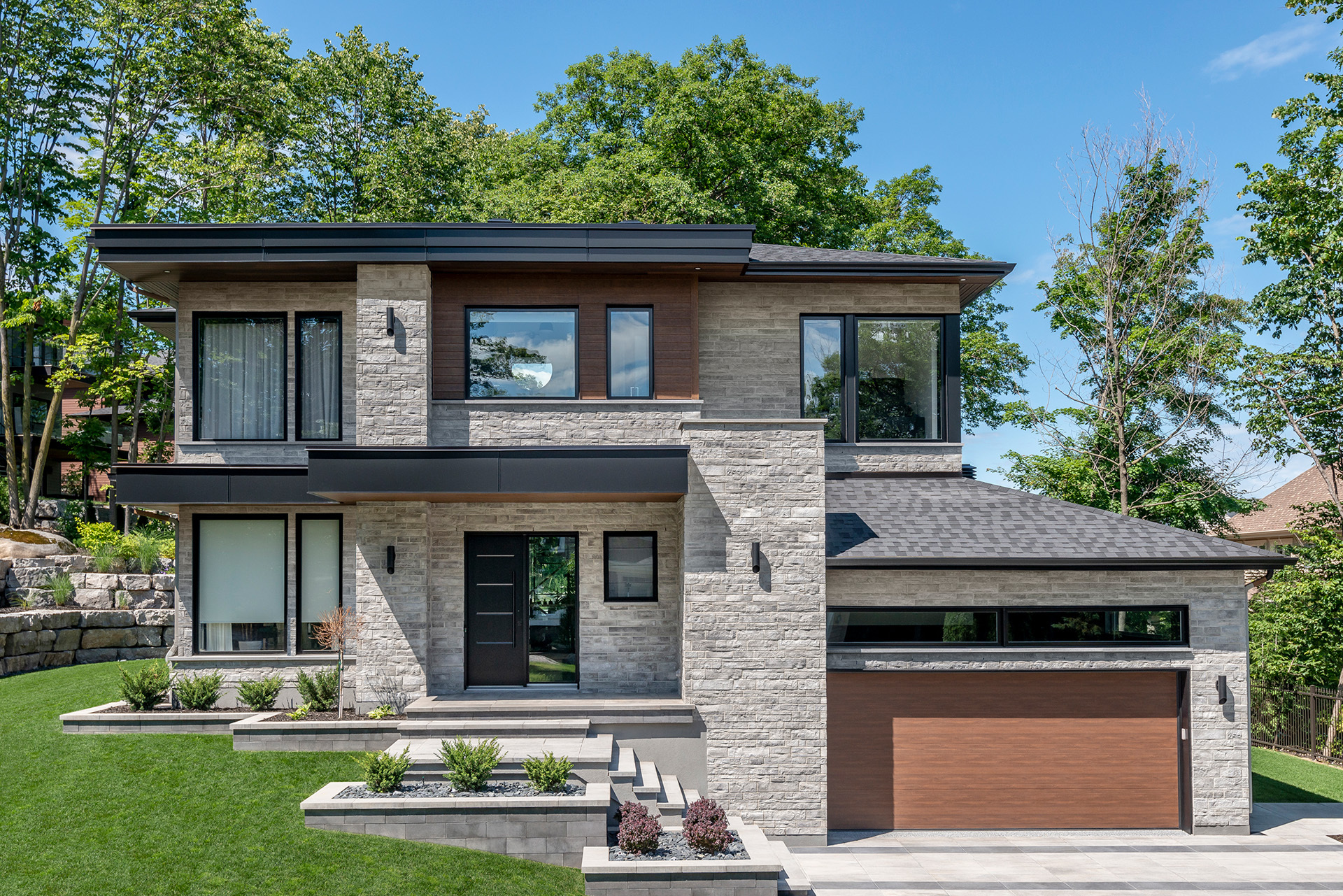
Cost Comparison of Stone Veneer vs Real Stone
One of the main reasons homeowners choose stone veneer over real stone is cost.
- Real stone siding often costs more per square foot because of material, transportation, and skilled labor.
- Stone veneer can be significantly cheaper, especially manufactured versions. Installation is faster, which also saves money on labor.
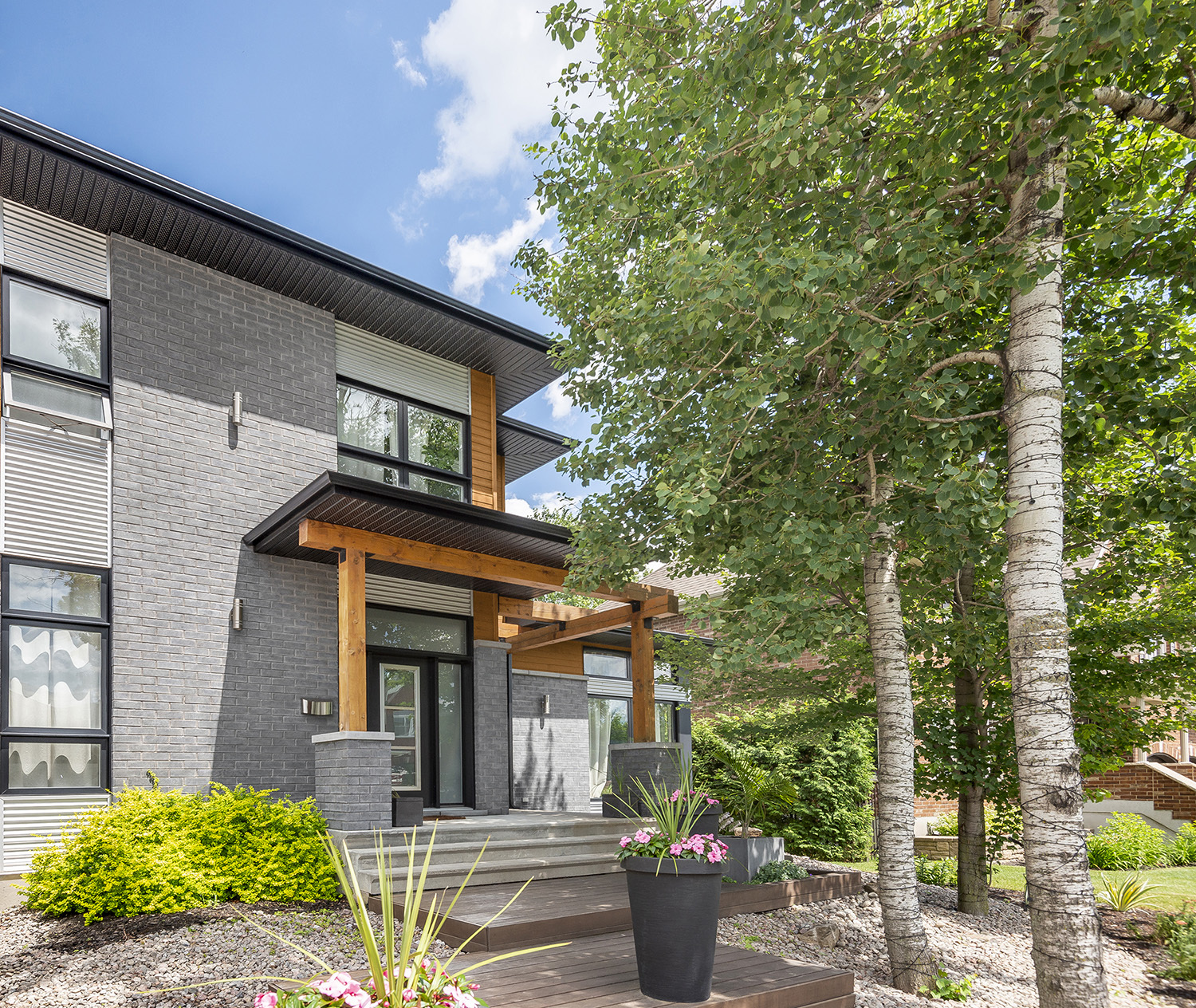
Which Should You Choose?
Both stone siding vs stone veneer are excellent options, but the right choice depends on your goals:
- If you want authenticity, longevity, and natural variation, real stone siding is the best option.
- If you want affordability, flexibility, and easier installation, stone veneer is a smart alternative.
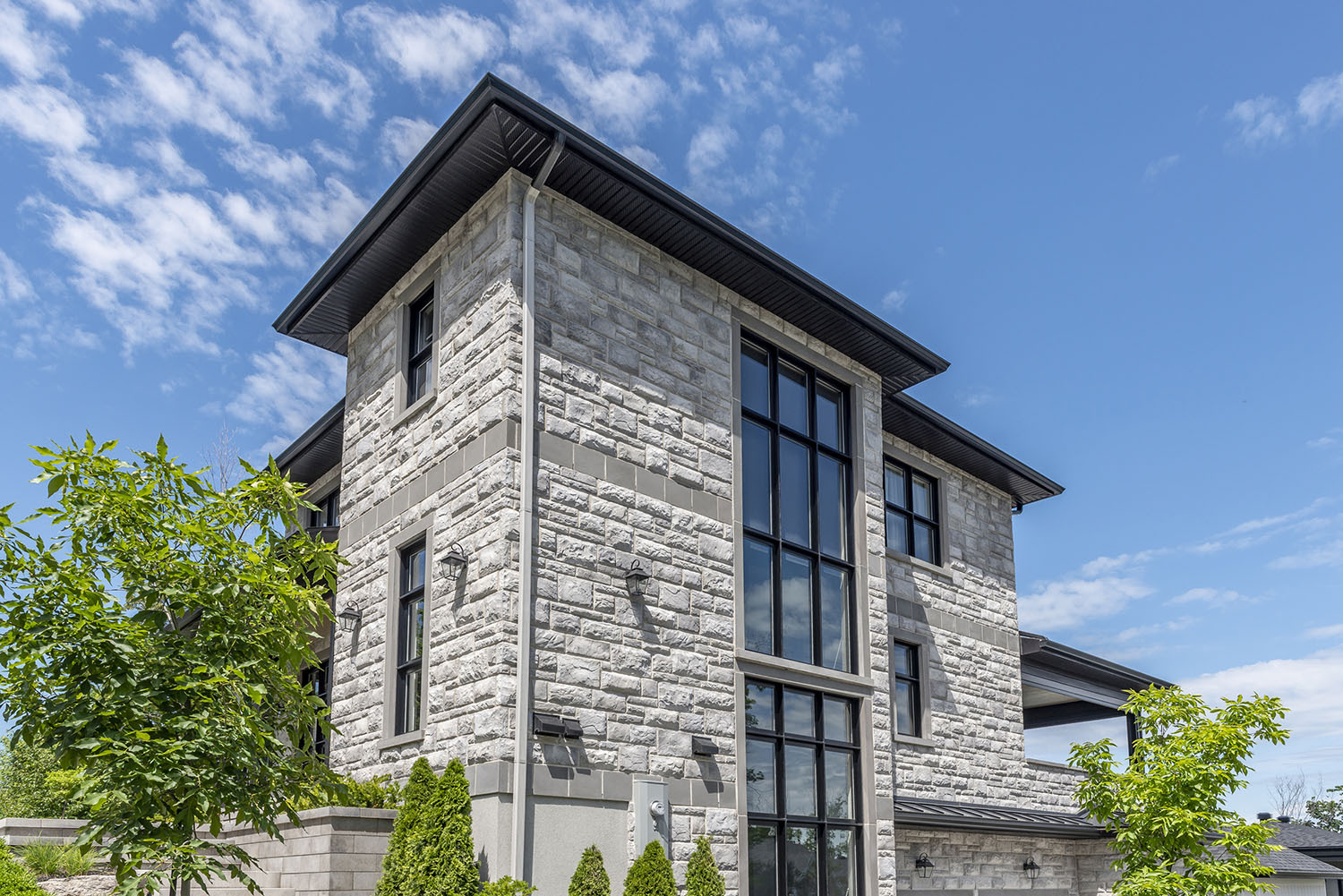
Final Thoughts
The decision between stone veneer vs real stone comes down to budget, design preference, and the specific needs of your project.
If you are building a long-term home where natural character and durability are important, real stone siding is a strong choice. For homeowners looking for a more budget-friendly option that still delivers a natural look, stone veneer is a great solution.
Whichever you choose, both materials add beauty and value to any property.