

A driveway should provide reliable everyday performance while complementing the overall look of your home. Many homeowners choose permeable pavers because they combine the durability of interlocking concrete pavers with a paving system designed to help manage rainwater. Suitable for residential driveways, they offer a practical alternative to traditional paved surfaces while complementing a wide range of landscape styles.
What Are Permeable Pavers?
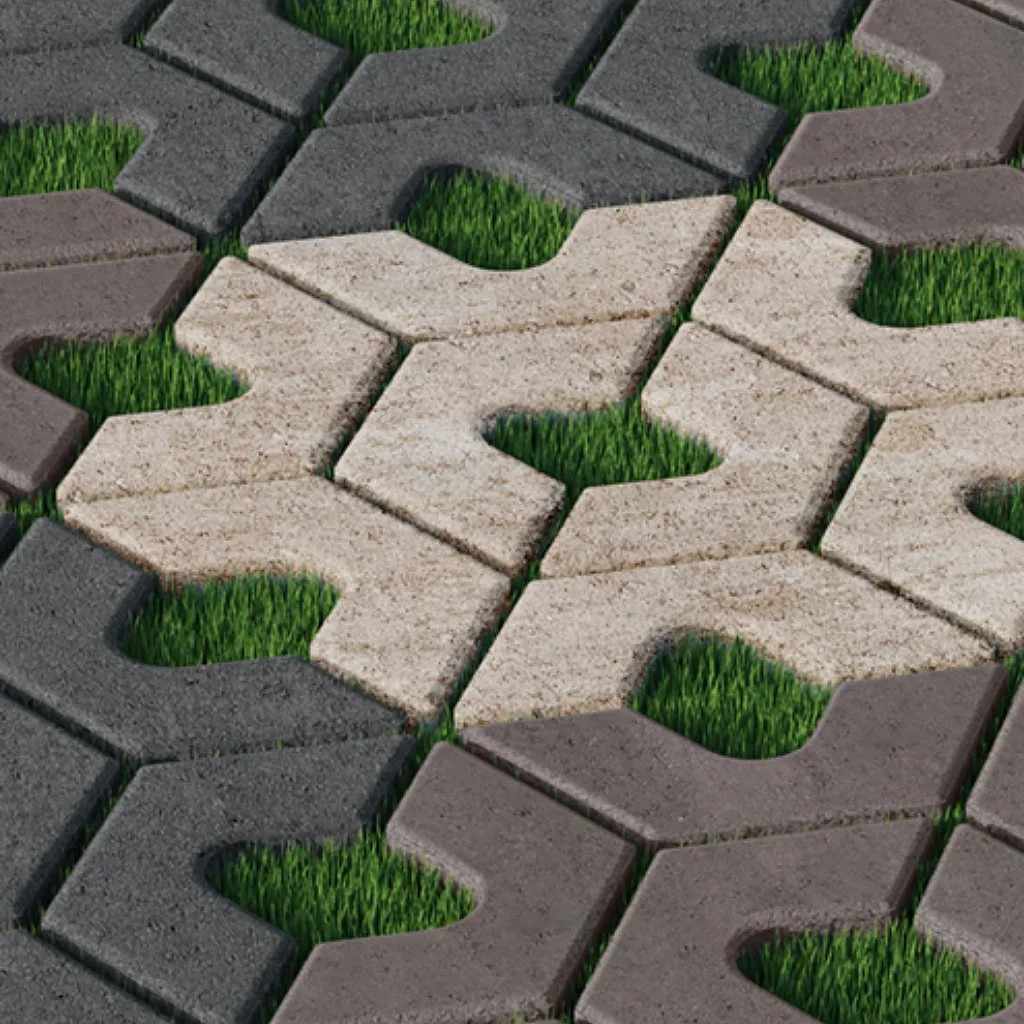
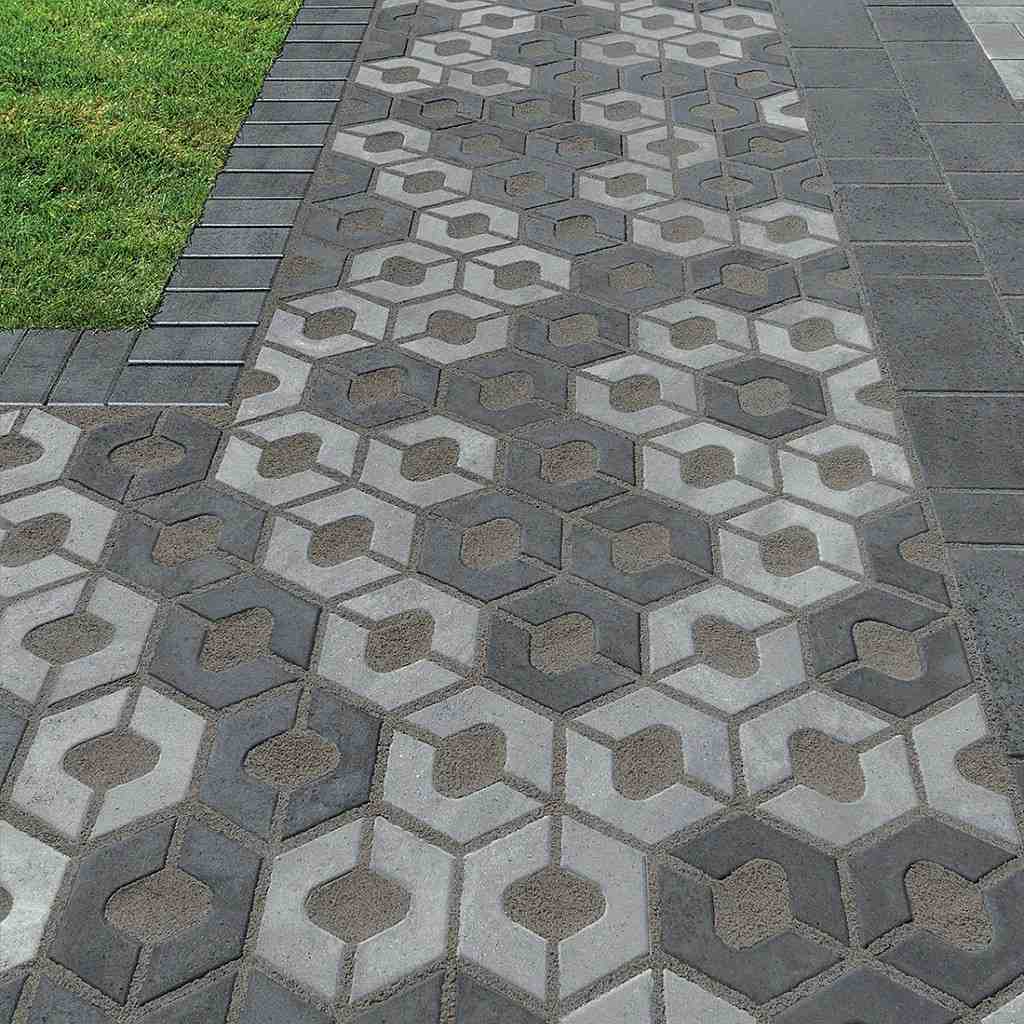
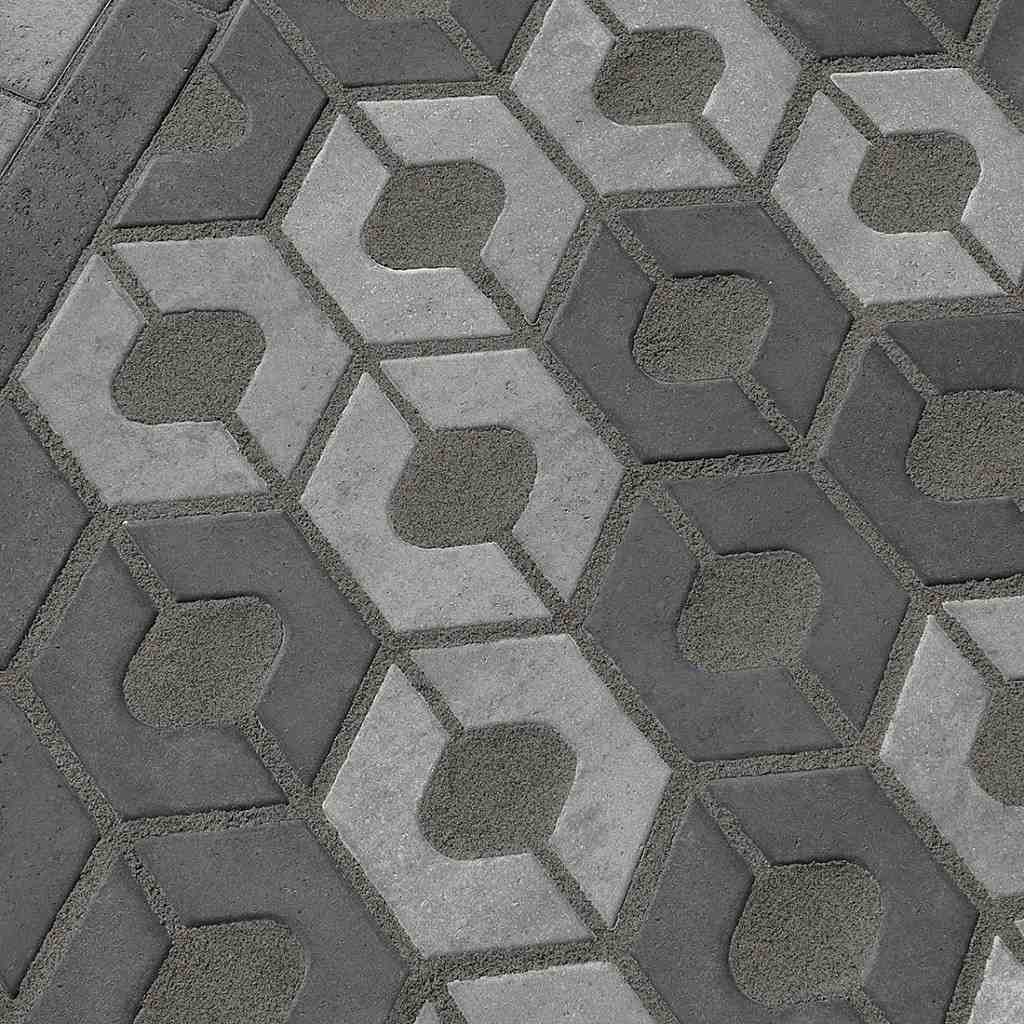
Permeable pavers are concrete paving units installed with wider joints filled with clean aggregate instead of traditional jointing sand. Water passes through these joints into layers of stone below, where it can infiltrate the ground or be temporarily stored before draining naturally.
Unlike conventional pavement, where rainwater remains on the surface and is directed toward drains, permeable pavement is designed to manage water at the source.
A permeable paving system typically includes:
- Permeable concrete pavers
- Open joints filled with clean aggregate
- A permeable bedding layer
- An engineered stone base that supports drainage
Together, these components create a durable driveway surface while helping rainwater move through the system.
If you're comparing paving options for your next project, explore the Permeable Pavers collection to see products designed for residential landscapes.
Why Homeowners Choose Permeable Pavers for Driveways
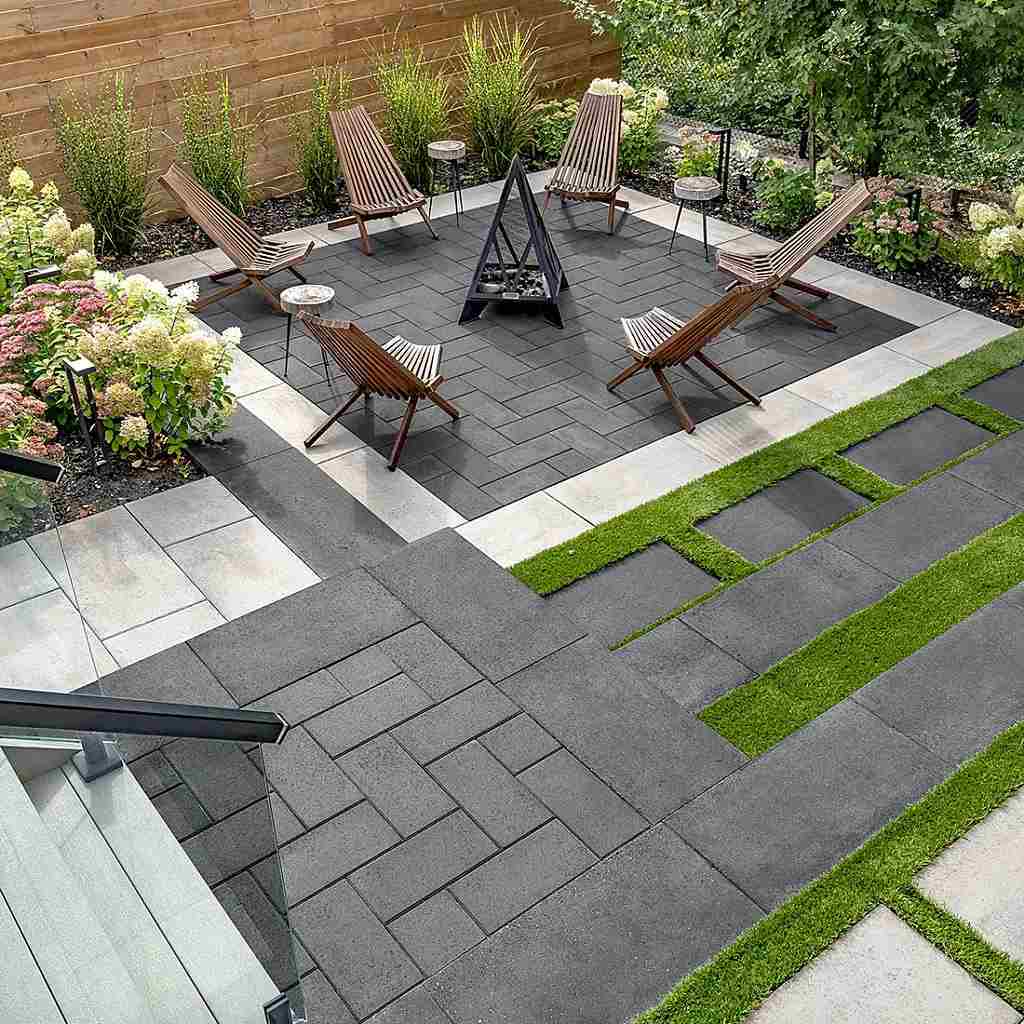
A driveway should perform well in different weather conditions while complementing the overall landscape. Permeable interlocking concrete pavers offer practical benefits that go beyond appearance, making them a popular choice for residential projects.
Supports Outdoor Drainage
Managing water is an important part of any landscape project. By allowing rainwater to move through the paving system, permeable driveways can help reduce runoff and support better drainage around the property.
The effectiveness of the system depends on proper design, base preparation, and installation, so it's important to follow the manufacturer's recommendations and local requirements.
Works with Other Hardscape Features
A permeable driveway doesn't have to stand alone. It can be integrated with other landscape elements to create a consistent outdoor design.
Common combinations include:
- Front Walkways
- Garden Walls
- Landscape Borders
- Steps
Using complementary materials helps connect different areas of the landscape while maintaining a consistent appearance.
Benefits of Permeable Pavers for Driveways
Choosing the right driveway material is about more than appearance. A well-designed permeable pavers driveway can improve drainage, provide a durable driving surface, and complement the rest of your landscape.
Manages Surface Water
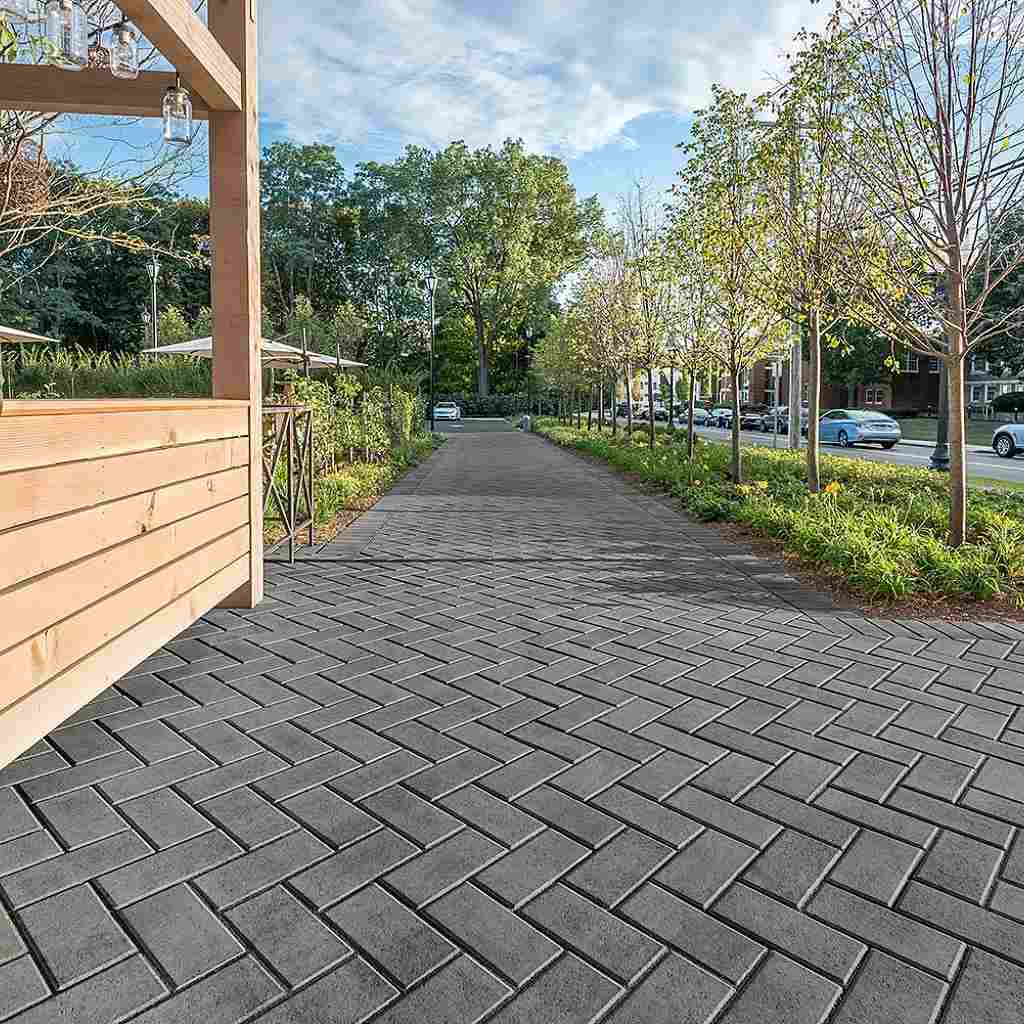
Unlike traditional paved surfaces, permeable pavement allows rainwater to pass through the joints between the pavers into the base below. This helps reduce water collected on the driveway during and after rainfall.
Durable for Everyday Use
When installed according to the recommended specifications, permeable concrete pavers provide a strong surface for residential driveways. They are designed to withstand regular vehicle traffic while maintaining their appearance over time.
Supports Long-Term Maintenance
Routine maintenance helps keep a permeable paving system performing as intended.
Regular maintenance may include:
- Removing leaves and debris
- Sweeping the surface when needed
- Inspecting joints for sediment buildup
- Replacing joint aggregate if required
Following the manufacturer's maintenance recommendations helps preserve the drainage performance of the system.
Permeable Driveway Design Ideas
The design of your driveway should complement your home's architecture while connecting naturally with the surrounding landscape. Here are a few ideas to consider when planning a permeable pavers driveway.
Modern Driveways
Simple laying patterns, clean lines, and neutral colors work well for contemporary homes. A matching border can help define the driveway without overpowering the design.
Driveways with Contrasting Borders
Using a contrasting border around the driveway helps define its edges and creates a clear transition to lawns, planting beds, or walkways.
Browse the Landscape Borders collection for edging options that complement permeable paving.
Driveways with Garden Walls
For properties with sloped front yards, combining a permeable driveway with Garden Walls helps define planting areas and manage changes in elevation while creating a structured landscape design.
Where Can Permeable Pavers Be Used?
Although driveways are one of the most common applications, permeable pavers can also be used in other outdoor areas where drainage is an important consideration.
Suitable applications include:
- Residential driveways
- Front walkways
- Garden paths
- Backyards
- Parking areas
A professional installer can determine whether a permeable paving system is suitable for your property and recommend the appropriate base construction. In addition, some municipalities require or encourage permeable pavement as part of their stormwater management or sustainability initiatives. Checking local regulations before planning your project can help ensure your installation meets applicable requirements.
What to Consider Before Choosing Permeable Pavers
Before selecting permeable pavers for your driveway, it's important to evaluate your property's layout and project requirements. Planning these details early helps ensure the paving system performs as intended.

Driveway Size and Layout
Start by considering the size of your driveway and how it will be used. A single-car driveway has different design requirements than a wider driveway with multiple parking spaces or turning areas.
Also think about how the driveway connects with:
- Front walkways
- Entry steps
- Garage entrances
- Planting beds
- Other hardscape features
Planning these elements together creates a more cohesive landscape.
Site Drainage
One of the main reasons homeowners choose permeable pavement is to help manage rainwater. However, every property has different drainage conditions.
Before installation, consider:
- Existing drainage patterns
- Ground slope
- Soil conditions
- Local building requirements
A professional installer can determine whether a permeable paving system is suitable for your property and recommend the appropriate base construction.
Product Selection
Permeable pavers are available in different colors, finishes, and laying patterns. Choosing a style that complements your home exterior helps create a driveway that fits naturally with the surrounding landscape.
Many homeowners also coordinate their driveway with Permeable Pavers, such as Ava, along with complementary Steps and Landscape Borders to create a cohesive landscape design.
Permeable Pavers vs Traditional Pavement
Both permeable and traditional paving systems provide durable driveway surfaces, but they manage rainwater differently.
Permeable Pavers
- Allow water to pass through the joints
- Help reduce standing water
- Available in a range of colors and laying patterns
- Can be integrated with other hardscape products
Traditional Pavement
- Directs water toward drains or other drainage systems
- Creates a continuous paved surface
- May require additional drainage solutions depending on the site
The right choice depends on your property's drainage needs, landscape design, and project goals.
Common Mistakes to Avoid
Careful planning helps avoid problems during installation and over the life of the driveway.

Ignoring Site Conditions
Every property is different. Soil type, grading, and drainage should all be assessed before choosing a paving system.
Choosing Products Based Only on Appearance
Color and pattern are important, but they should be considered alongside the intended application and performance requirements.
Overlooking Maintenance
Like any outdoor surface, permeable pavers benefit from routine maintenance. Keeping the joints free of debris helps the system continue to drain effectively.
Poor Installation Planning
A permeable driveway relies on the complete paving system, not just the surface pavers. Following the recommended installation method is essential for long-term performance.
Conclusion
A permeable pavers driveway combines long-term durability with effective water management, making it a strong option for many residential landscapes. It is especially well suited for properties in areas with frequent rainfall, neighborhoods with limited stormwater infrastructure, or homes located near lakes, rivers, or other areas where managing surface water is an important consideration. In addition to helping rainwater drain through the paving system, permeable pavers are available in a variety of colors, finishes, and laying patterns that complement different home styles.
Before starting your project, consider your property drainage conditions, driveway layout, and intended use. Choosing the right products and following the recommended installation methods will help ensure the paving system performs as expected.
If you're planning a new driveway or upgrading an existing one, explore the Permeable Pavers collection to compare available styles and find a solution that suits your landscape.