
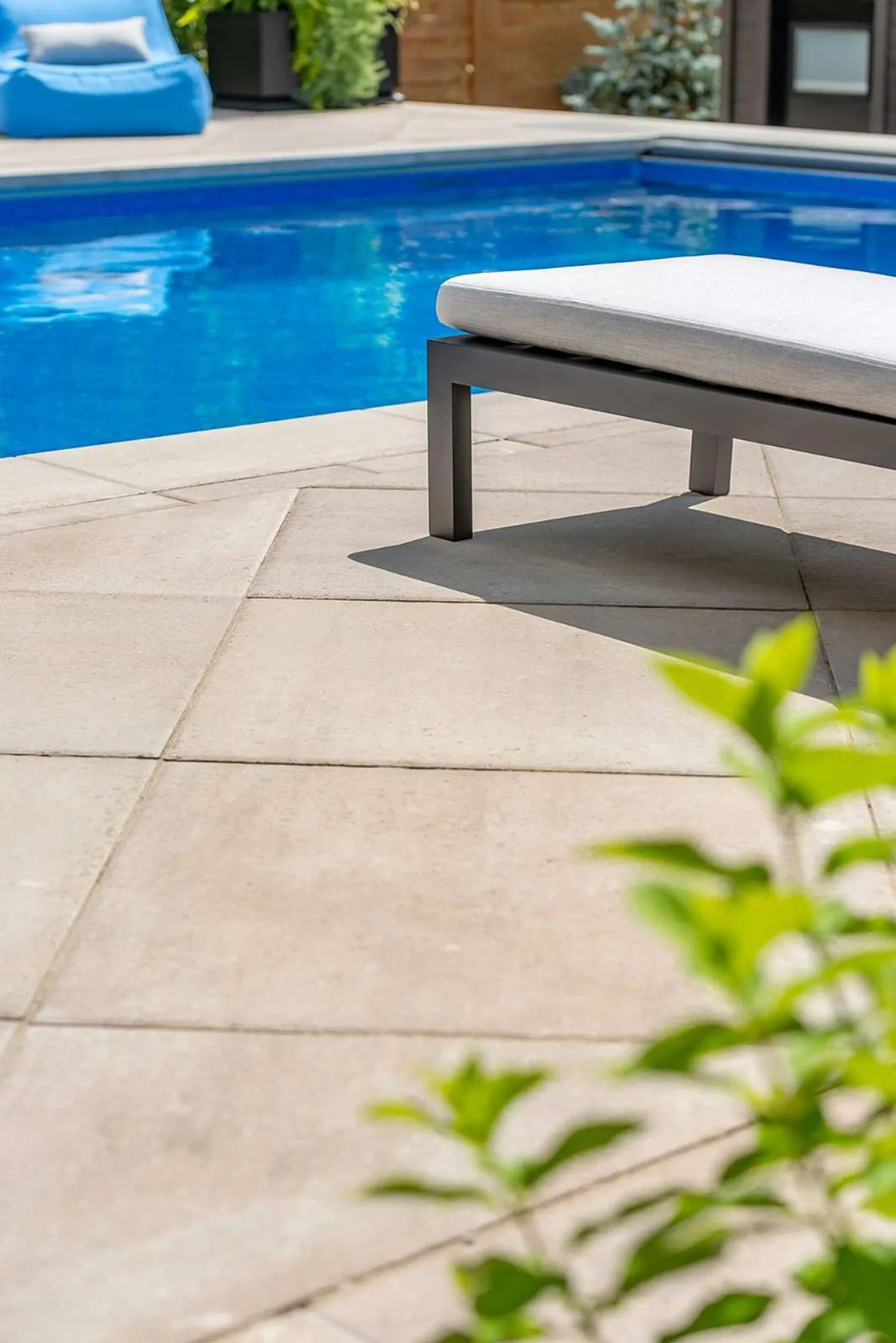
Patio stones and pavers are among the most popular materials used to create beautiful and functional outdoor living spaces. Whether you're designing a backyard patio, an outdoor dining area, or a relaxing entertainment space, both options offer durability, visual appeal, and long-term value.
While patio stones and pavers may appear similar at first glance, they differ in size, installation methods, design flexibility, maintenance requirements, and ideal applications. Understanding these differences can help homeowners make a more informed decision when planning a landscaping project.
Patio Stones vs Pavers
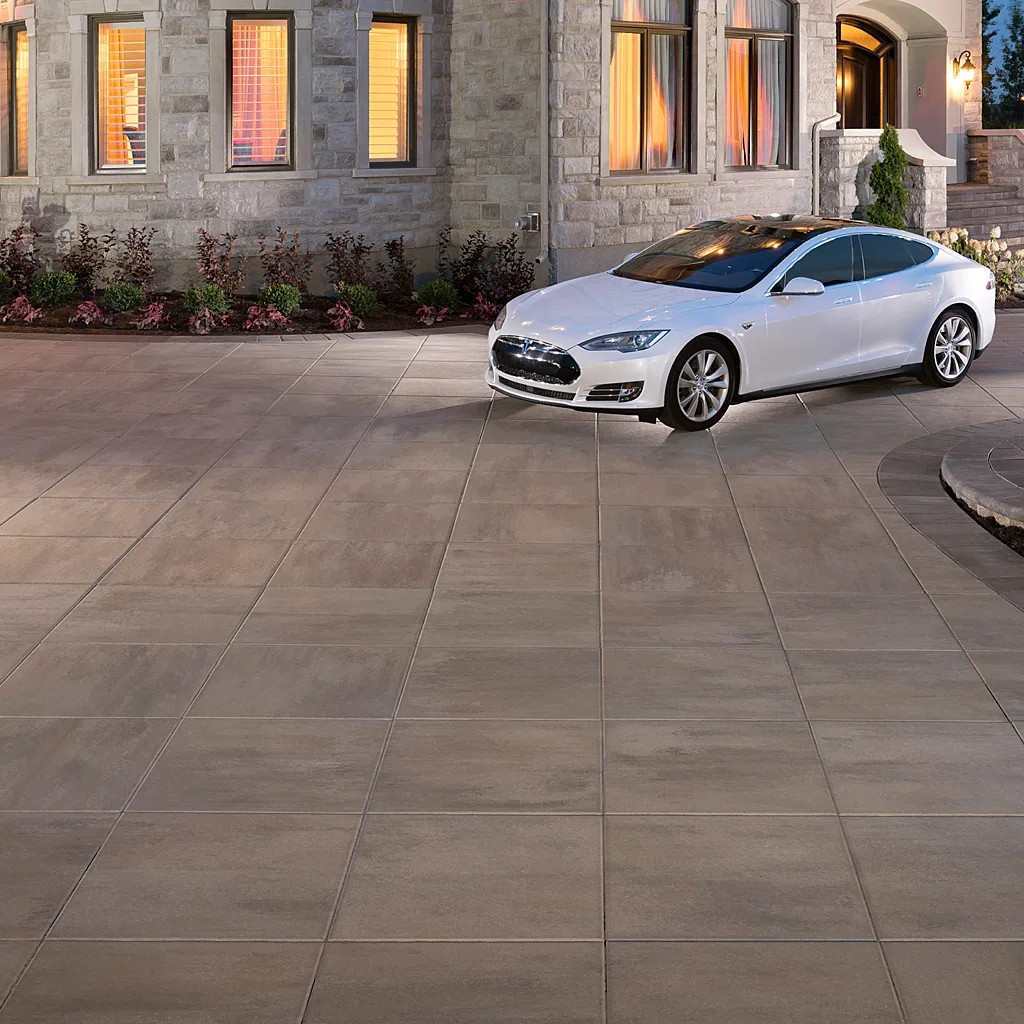
Patio stones are larger slabs that create a sleek, contemporary appearance and are commonly used for patios, pool surrounds, and outdoor living areas. Pavers are smaller modular units that offer greater design flexibility, easier repairs, and versatility for patios, walkways, and driveways. The best choice depends on your design preferences, budget, and how the space will be used.
What Are Patio Stones?
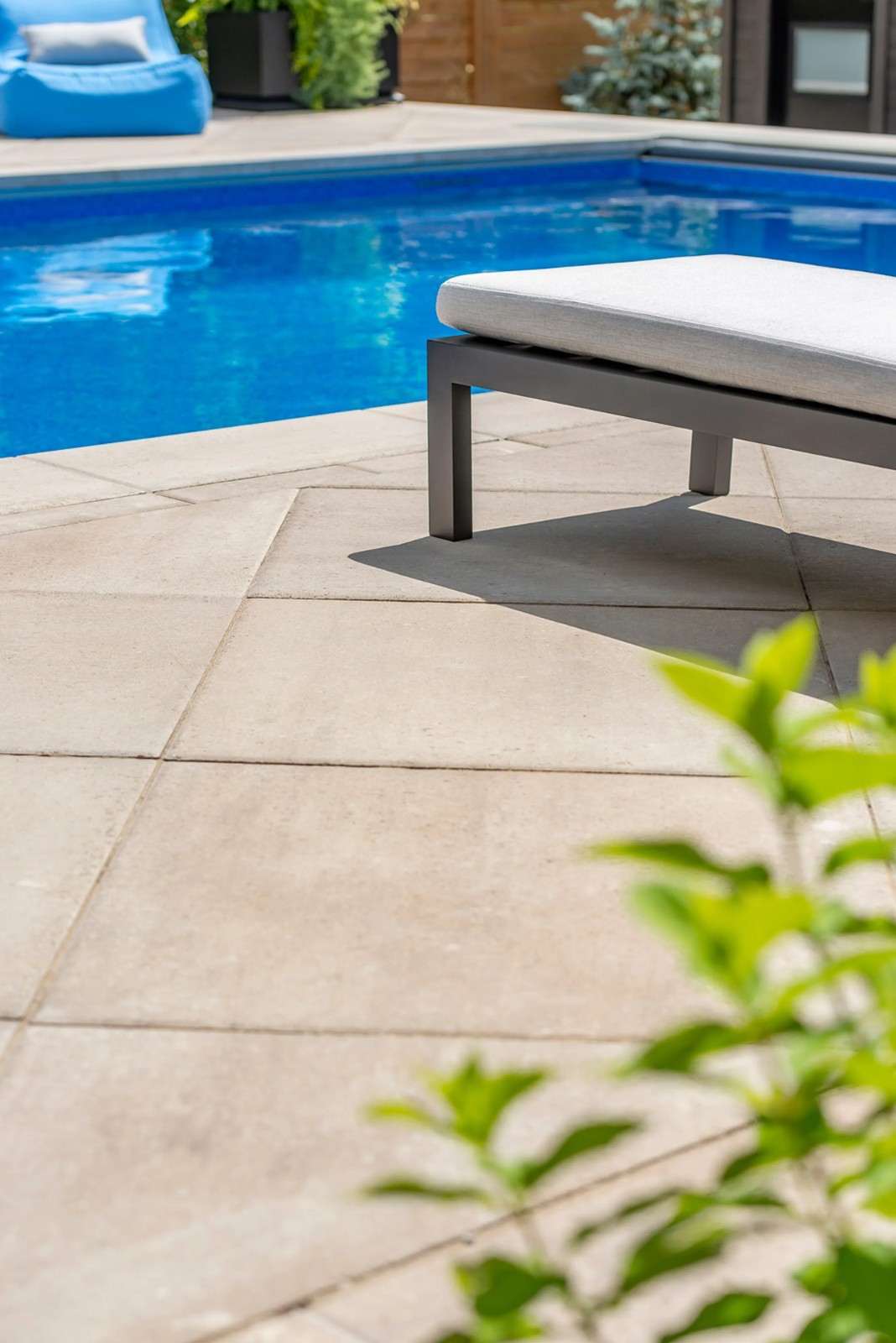
Patio stones, often referred to as slabs, are larger-format landscaping units designed to create clean, seamless outdoor surfaces. They are available in various sizes, colors, textures, and finishes, allowing homeowners to create modern and elegant outdoor environments.
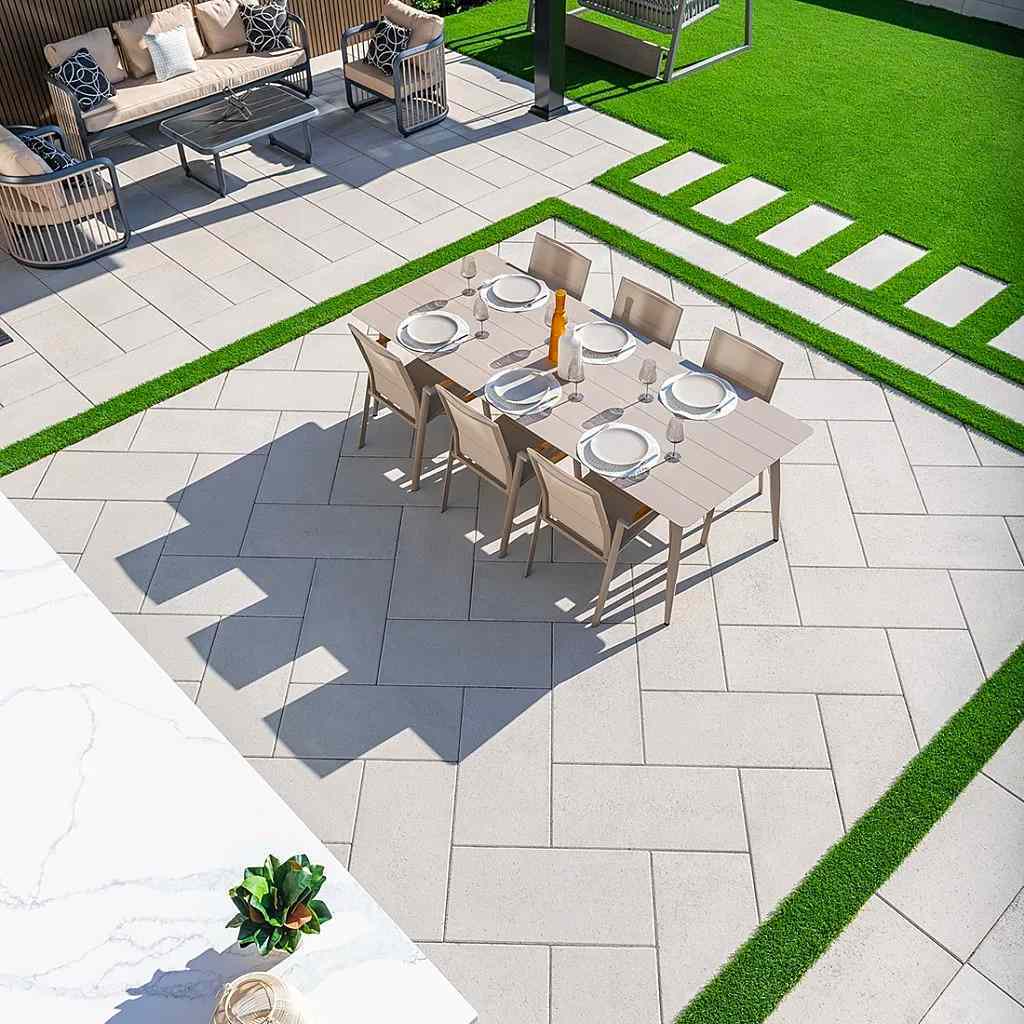
Patio stones are commonly used for:
- Backyard patios
- Outdoor dining areas
- Poolside spaces
- Garden seating areas
- Rooftop terraces
One of the biggest advantages of patio stones is their ability to create a spacious and sophisticated appearance. Because larger stones require fewer joints, the finished surface often looks cleaner and more contemporary.
Homeowners seeking a modern outdoor design often choose Patio Slabs to create a refined and visually cohesive landscape.
What Are Pavers?
Pavers are individual modular units designed to interlock and create durable outdoor surfaces. Available in various shapes, sizes, colors, and patterns, pavers offer exceptional versatility for a wide range of landscaping projects.
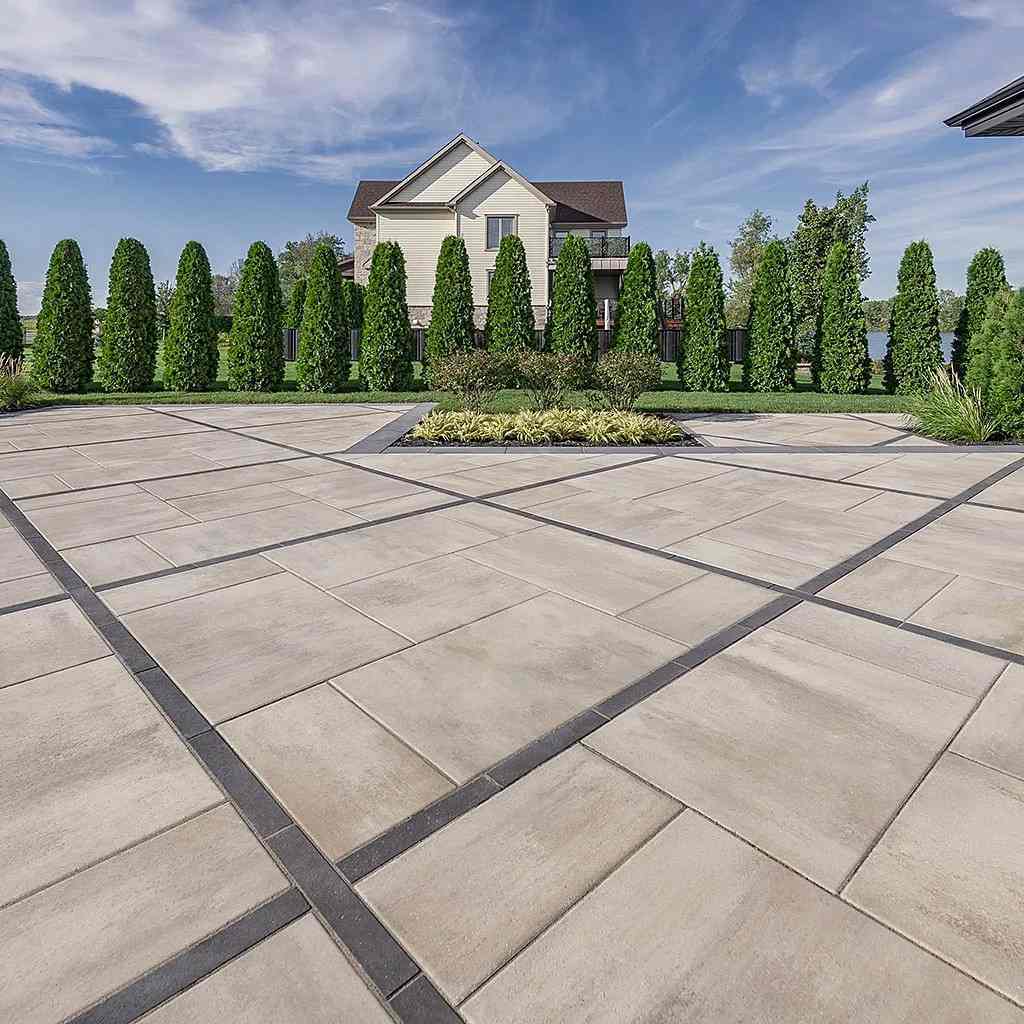
Pavers are commonly used for:
- Patios
- Walkways
- Driveways
- Garden paths
- Courtyards
- Outdoor entertaining areas
Because pavers are installed individually, they provide greater flexibility when creating custom layouts, decorative borders, and intricate patterns. This makes them an excellent option for homeowners looking to add character and creativity to their outdoor spaces.
Many homeowners choose Pavers because they offer both durability and design flexibility while complementing a variety of architectural styles.
Patio Stones vs Pavers: Key Differences
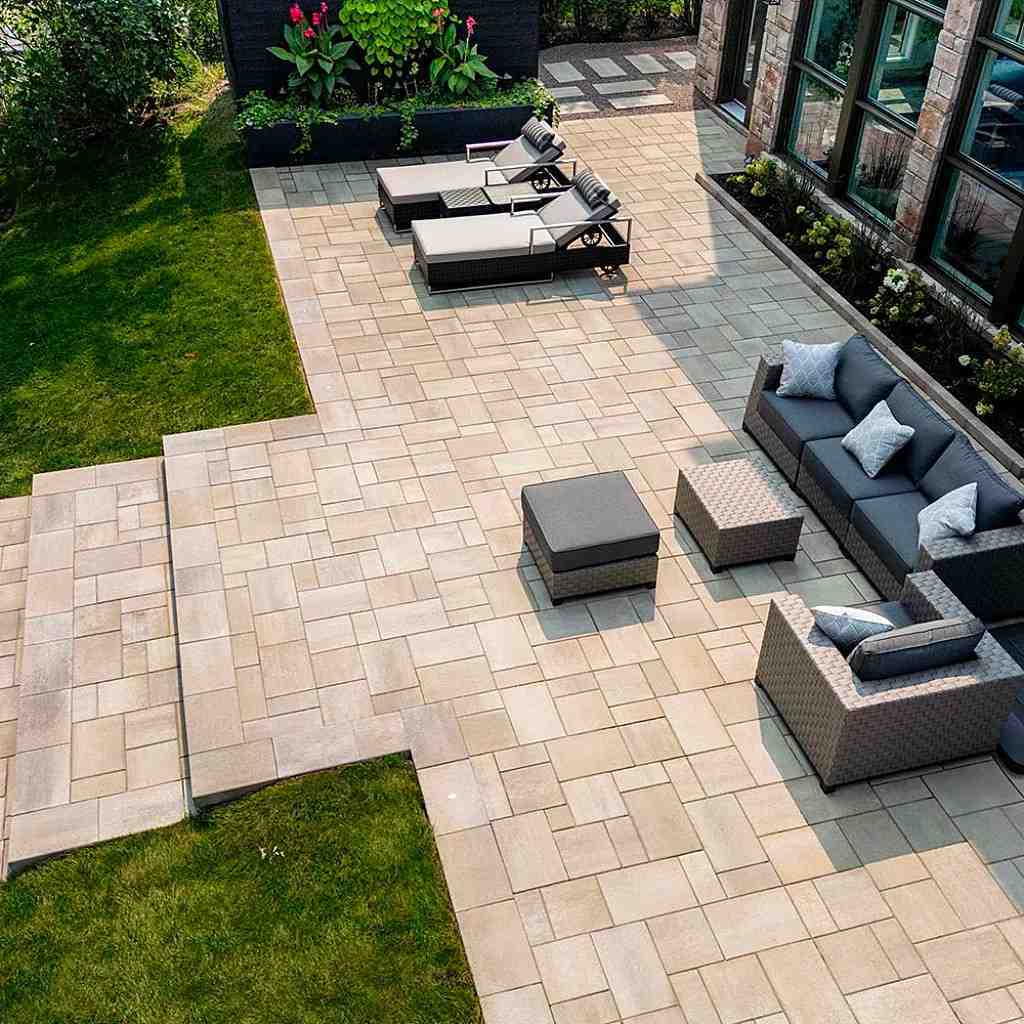
Size and Appearance
One of the most noticeable differences between patio stones and pavers is their size.
Patio stones are significantly larger, creating a cleaner and more expansive appearance. Their larger format works particularly well in contemporary outdoor spaces where simplicity and minimalism are desired.
Pavers are smaller and allow for more detailed designs. Their modular nature makes it easier to create patterns such as herringbone, basketweave, running bond, and other decorative layouts.
Installation Process
Patio stones generally cover more surface area with fewer pieces, which can help speed up installation for larger projects.
Pavers require more individual units and often involve additional layout planning. However, their smaller size allows installers to accommodate curves, borders, and complex designs more easily.
Both options require proper base preparation to ensure long-term performance and stability.
Design Flexibility
When it comes to customization, pavers offer greater flexibility.
Their wide range of shapes and installation patterns allows homeowners to create unique designs tailored to their preferences.
Patio stones excel at creating clean, open spaces with a modern aesthetic but typically offer fewer pattern possibilities compared to pavers.
Durability and Performance
Both patio stones and pavers are highly durable when installed correctly.
They are designed to withstand:
- Heavy foot traffic
- Seasonal weather changes
- Freeze-thaw cycles
- Outdoor exposure
High-quality landscaping products can provide decades of reliable performance with proper installation and maintenance.
Maintenance Requirements
Both materials are relatively low maintenance.
Routine maintenance typically includes:
- Sweeping debris
- Occasional washing
- Joint maintenance when required
- Seasonal inspections
Proper drainage and installation play an important role in minimizing future maintenance needs.
Repair and Replacement
Pavers have a slight advantage when it comes to repairs.
If a single paver becomes damaged, it can often be removed and replaced individually without disturbing the surrounding area.
With larger patio stones, repairs may require replacing an entire slab, which can be more involved depending on the installation.
Cost Considerations
The overall cost of a project depends on several factors, including:
- Product selection
- Site preparation
- Installation complexity
- Labor costs
- Project size
While material costs can vary, homeowners should also consider long-term maintenance, durability, and repair requirements when evaluating the total investment.
Patio Stones vs Pavers Comparison Table
| Feature | Patio Stones | Pavers |
|---|---|---|
| Size | Large Format | Smaller Units |
| Appearance | Modern & Sleek | Traditional to Contemporary |
| Installation | Faster Coverage | More Flexible Layouts |
| Repairs | More Complex | Easier Individual Replacement |
| Durability | Excellent | Excellent |
| Maintenance | Low | Low |
| Design Options | Moderate | Extensive |
Which Option Is More Durable in Canadian Weather?
Canadian weather presents unique challenges for outdoor landscaping materials. Freeze-thaw cycles, snow, ice, and seasonal temperature fluctuations can all impact outdoor surfaces.
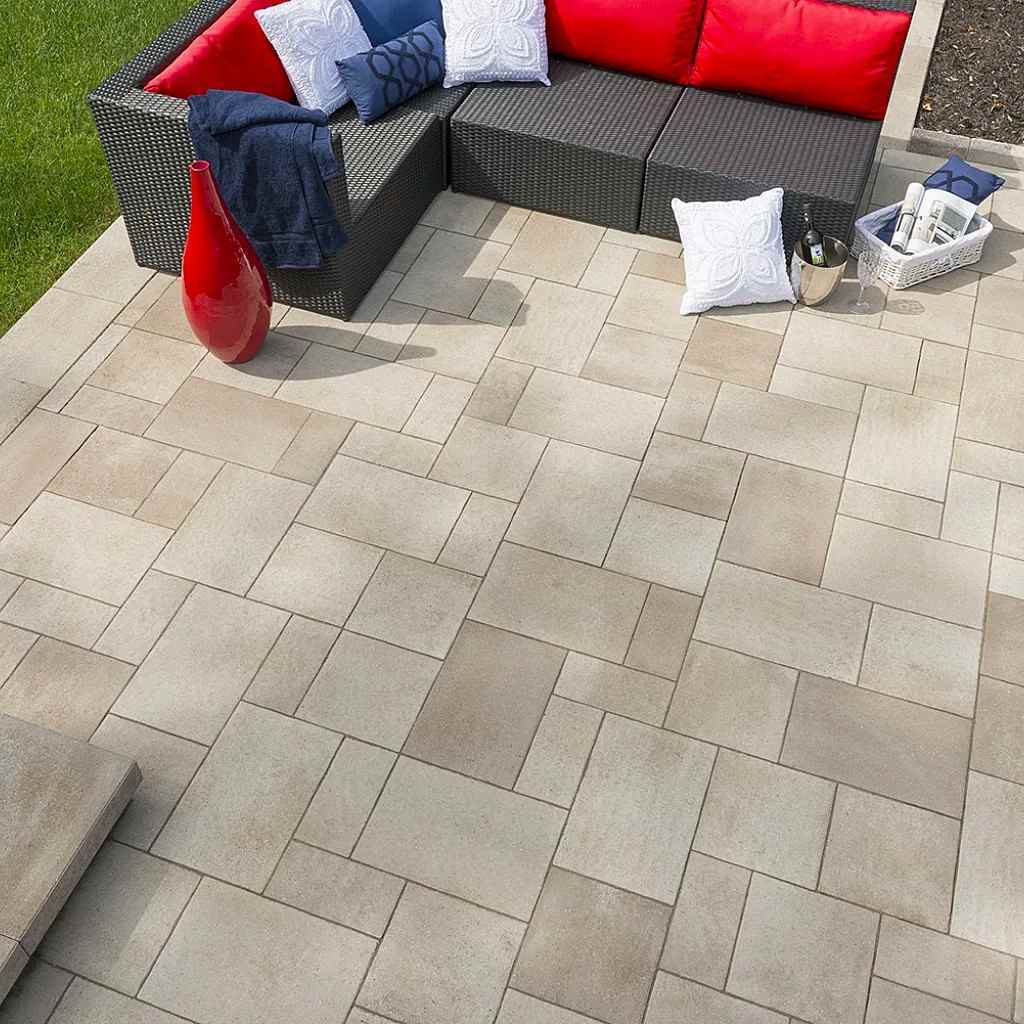
Fortunately, both patio stones and pavers are designed to withstand these conditions when installed properly.
Important considerations include:
- Proper drainage systems
- High-quality base preparation
- Professional installation techniques
- Materials designed for local climate conditions
When these factors are addressed, both patio stones and pavers can provide long-lasting performance throughout Canada's changing seasons.
When Patio Stones Are the Better Choice
Patio stones are often the preferred option for homeowners looking to create a modern and elegant outdoor environment.
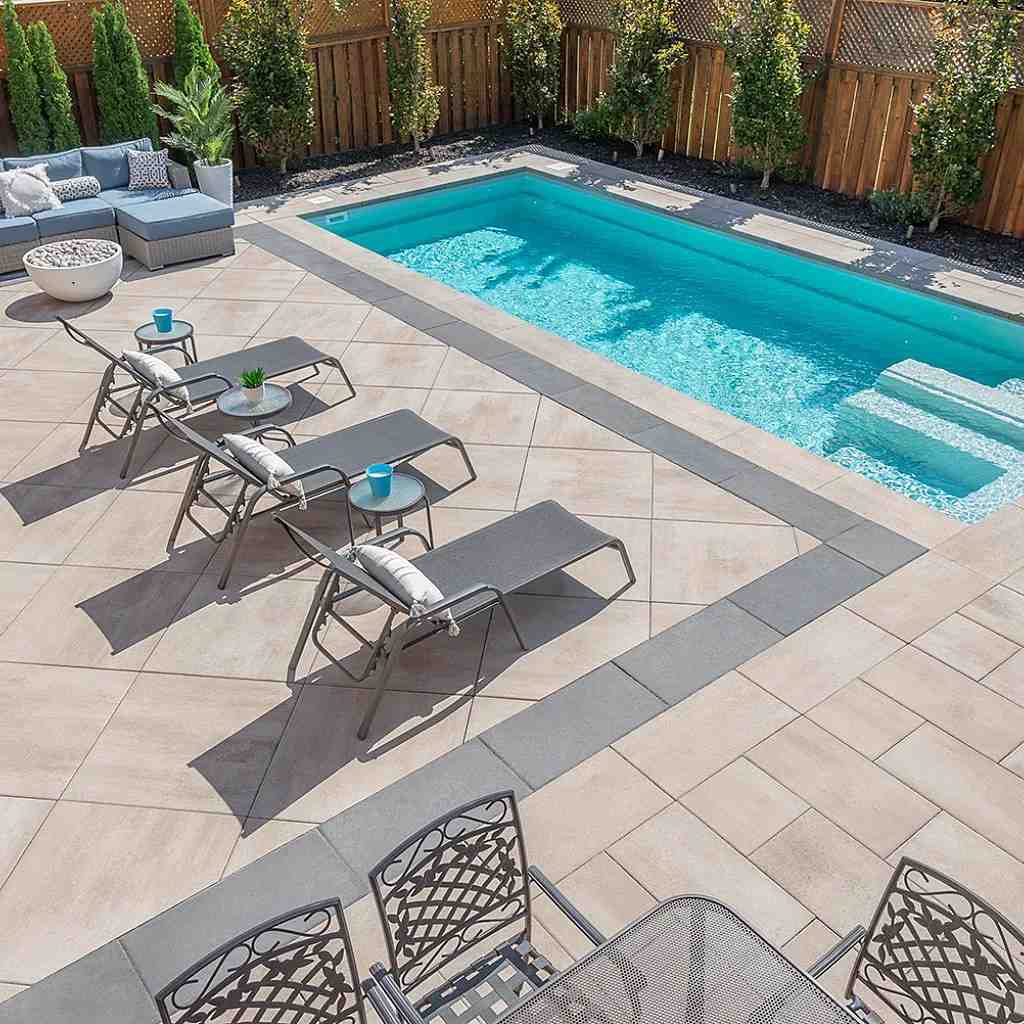
Large Backyard Patios
Larger slabs help create a spacious and seamless appearance, making them ideal for expansive patio designs.
Contemporary Landscape Designs
Modern homes often benefit from the clean lines and minimalist aesthetic that patio stones provide.
Outdoor Dining Areas
Patio stones create smooth surfaces that work well beneath outdoor dining furniture and seating arrangements.
Luxury Outdoor Living Spaces
High-end landscape designs frequently incorporate patio stones to achieve a sophisticated and upscale look.
When Pavers Are the Better Choice
Pavers are often the preferred choice when flexibility and versatility are priorities.

Walkways
Pavers work exceptionally well for creating attractive and functional garden paths and walkways.
Driveways
Their interlocking design and durability make them a practical solution for residential driveways.
High-Traffic Areas
Pavers can withstand regular use while maintaining their appearance over time.
Custom Design Patterns
Homeowners seeking unique patterns, borders, and decorative features often choose pavers because of their extensive design possibilities.
Can You Combine Patio Stones and Pavers?
Absolutely.
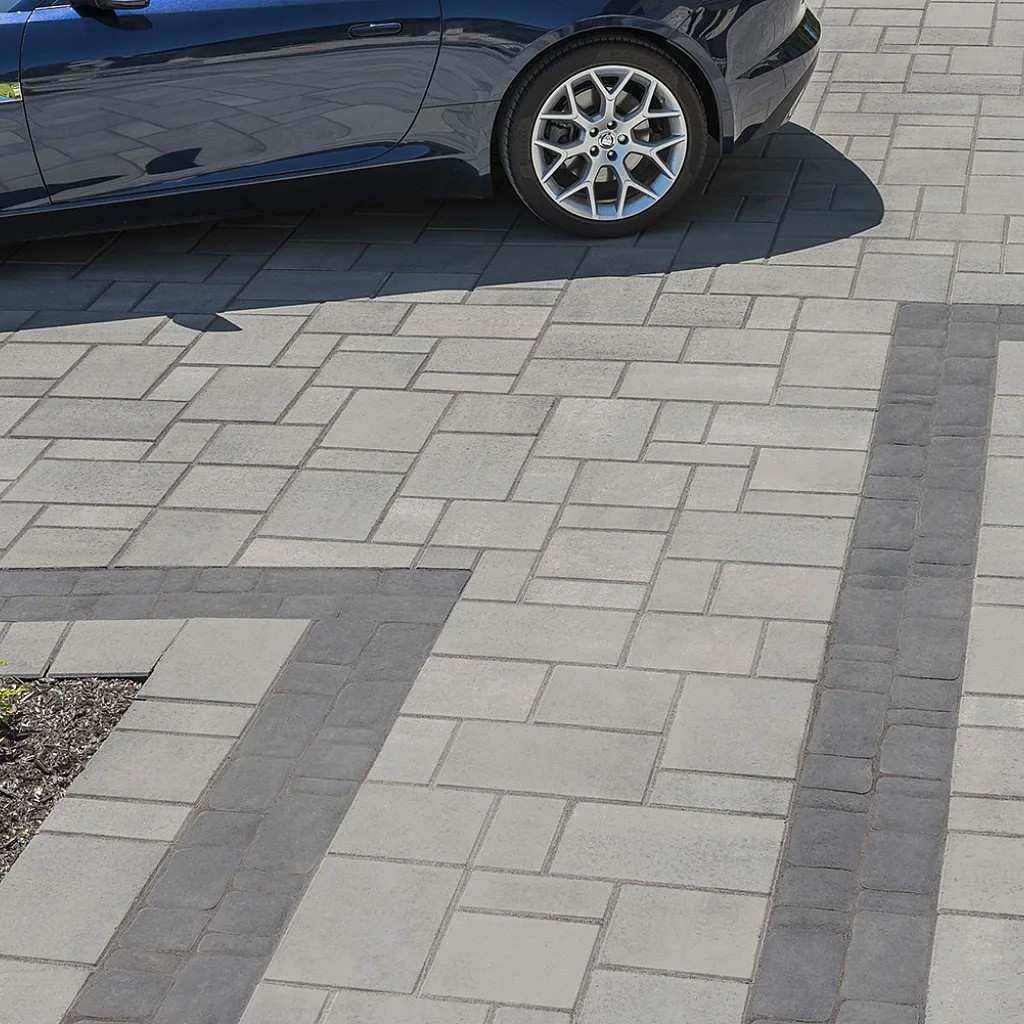
Many landscape designers combine both materials to create visually interesting and highly functional outdoor spaces.
For example:
- Patio stones can be used for the main seating area.
- Pavers can create decorative borders.
- Pavers can connect walkways to patios.
- Contrasting textures can help define different outdoor zones.
Combining both materials allows homeowners to enjoy the advantages of each while creating a more customized landscape design.
Explore Patio Stones and Pavers for Your Outdoor Space
Whether you're designing a contemporary patio or a traditional backyard retreat, choosing the right materials plays a major role in the success of your project.
Today's landscaping products offer a wide range of colors, textures, sizes, and finishes that allow homeowners to create outdoor spaces that reflect their personal style and functional needs.
Exploring collections such as Patio Slabs, Pavers, and other products within the Landscaping Collection can help homeowners find solutions that complement their property's architecture while enhancing long-term performance and curb appeal.
Conclusion
Both patio stones and pavers offer outstanding benefits for outdoor living spaces. Patio stones are often preferred for their clean, modern appearance and ability to create spacious, elegant patios. Pavers, on the other hand, provide greater design flexibility, easier repairs, and exceptional versatility for patios, walkways, and driveways.
The best choice ultimately depends on your design goals, budget, maintenance preferences, and how the space will be used. By understanding the strengths of each option, homeowners can confidently select the material that best aligns with their landscaping vision and long-term needs.