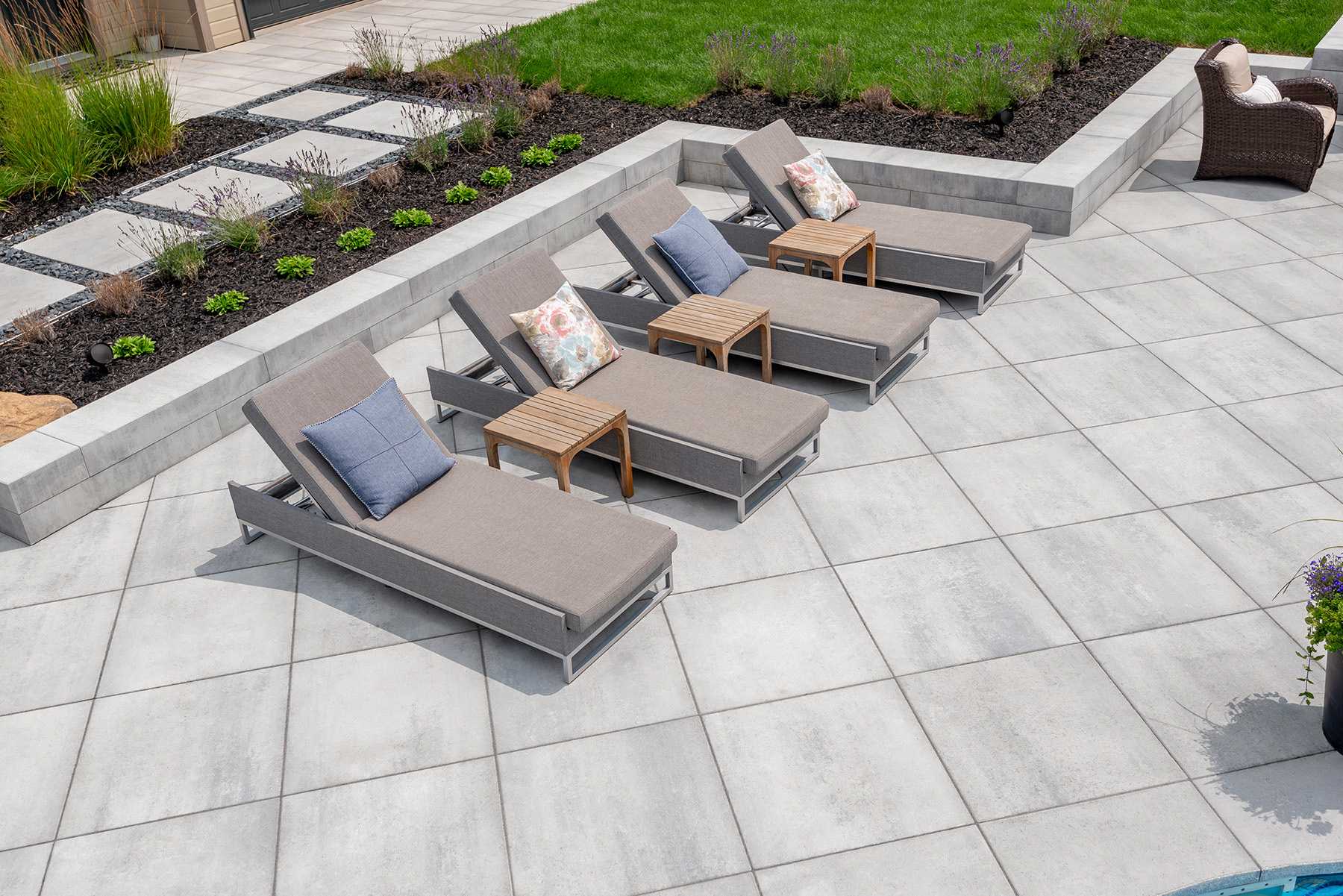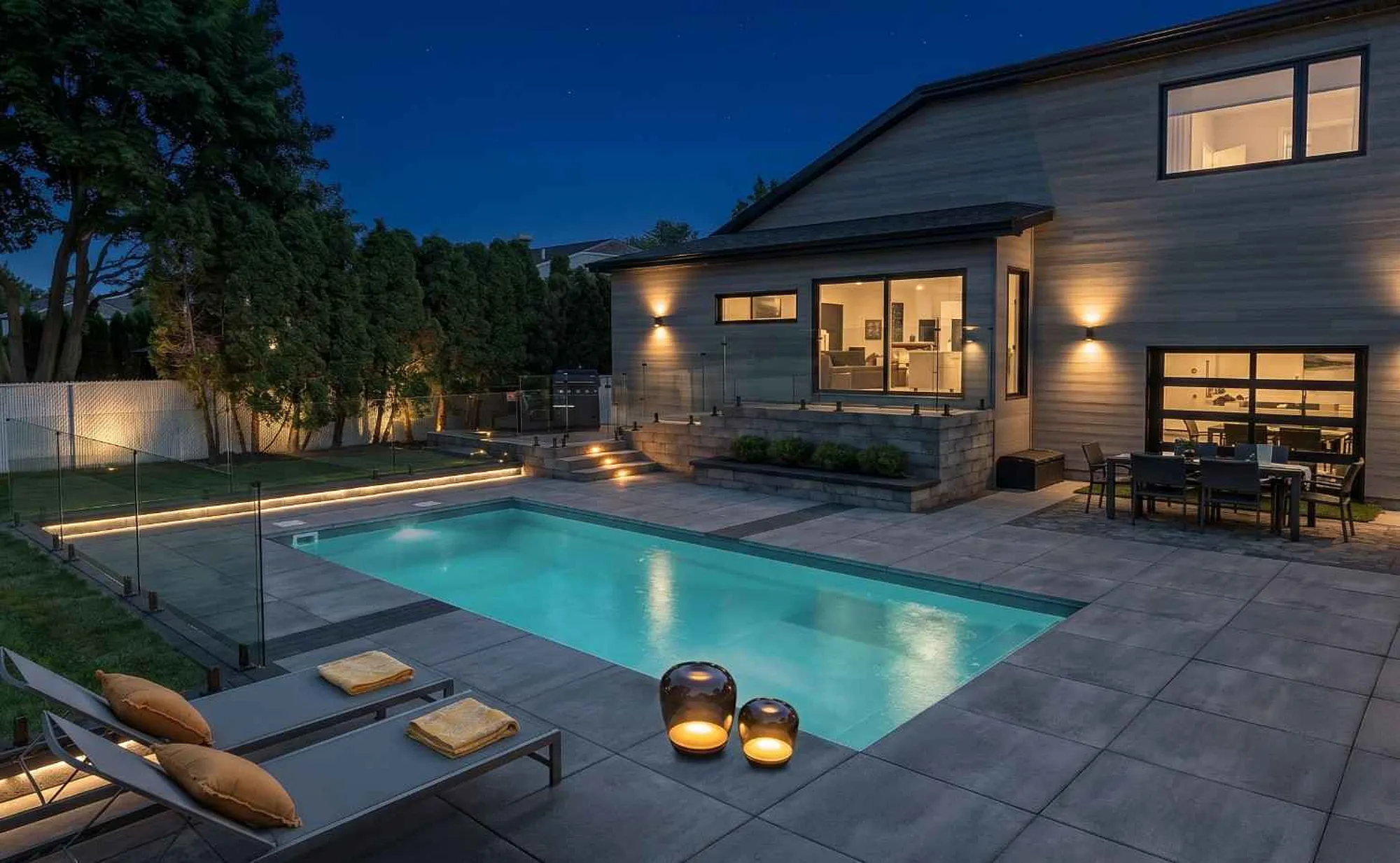
Planning a landscape is not just about choosing plants or laying pavers. It is about understanding how your outdoor space will function, how it will look over time, and how every element works together.
A well-planned landscape feels effortless when it’s finished. But getting there requires clear thinking at the start. Whether you’re working with a small backyard or a large property, the decisions you make early will shape everything that follows.
This guide walks through the key steps, ideas, and decisions involved in landscape planning so you can move forward with clarity.
What Is Landscape Planning and Why It Matters for Your Property?
Landscape planning is the process of organizing your outdoor space before any actual work begins. It involves layout, material choices, and how different areas connect with each other. Without proper landscaping planning, even a good-looking space can feel disjointed or difficult to use. You might end up with awkward walkways, poor drainage, or features that don’t fit the space.
A structured plan helps you:
- Make better use of available space
- Avoid unnecessary rework later
- Keep the design consistent across the property
- Ensure long-term usability
For homeowners considering professional help, working with a landscaping team early on often leads to better results because the design and execution stay aligned from the beginning.
Key Factors to Consider Before You Start Landscape Planning
Before jumping into landscape design ideas, it’s important to look at the practical side of your space. This step often gets rushed, but it has a direct impact on how successful the final result will be.
Start with the layout of your property:
- Take note of slopes and uneven areas
- Observe how water moves during rain
- Identify usable and restricted zones
Next comes climate and soil conditions. Certain plants thrive in specific environments and ignoring this can lead to ongoing maintenance issues. Your budget should also be clear from the start. It helps you decide where to invest more and where to keep things simple.
Then think about maintenance expectations:
- Some designs require regular upkeep
- Others are easier to manage over time
Finally, consider your lifestyle. A space designed for entertaining will look very different from one focused on relaxation or family use.
Landscaping Ideas to Inspire Your Landscape Planning
When you begin landscape planning, it helps to look at real, practical landscaping ideas that can actually work in your space. Instead of random inspiration, focus on ideas that align with your layout, budget, and how you plan to use the space.
Below are some of the most effective landscape design ideas that homeowners consistently use during landscaping planning.
1. Driveways

Strong driveway landscaping ideas on a budget can completely change the first impression of your property without overcomplicating the design.
- A well-defined driveway improves both function and visual flow
- Using interlocking pavers helps create a clean, structured landscape design
- Border planting can soften the edges without adding clutter
If you’re planning this area, exploring the top 10 driveway landscaping ideas can help you make smart choices early in your landscape planning.
2. Backyard Landscaping
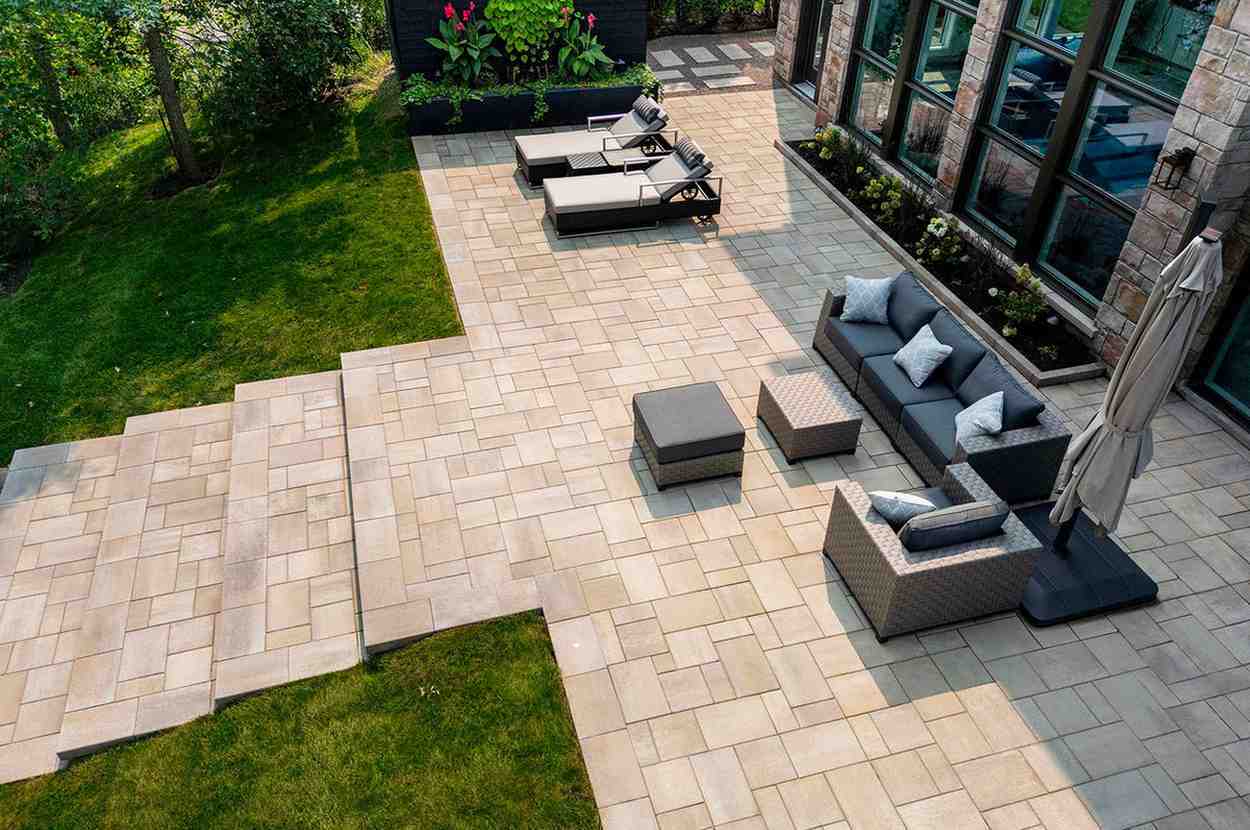
Backyards are where most landscape design and ideas come together, especially when balancing usability and comfort.
- A good backyard landscape design focuses on movement and usable zones
- Even smaller spaces can feel open with the right layout
- Sloped areas can be structured using levels and retaining features
Looking into best small backyard landscaping ideas or solutions like landscaping ideas for a sloped backyard can guide your overall landscaping planning decisions.
3. Front Walkways
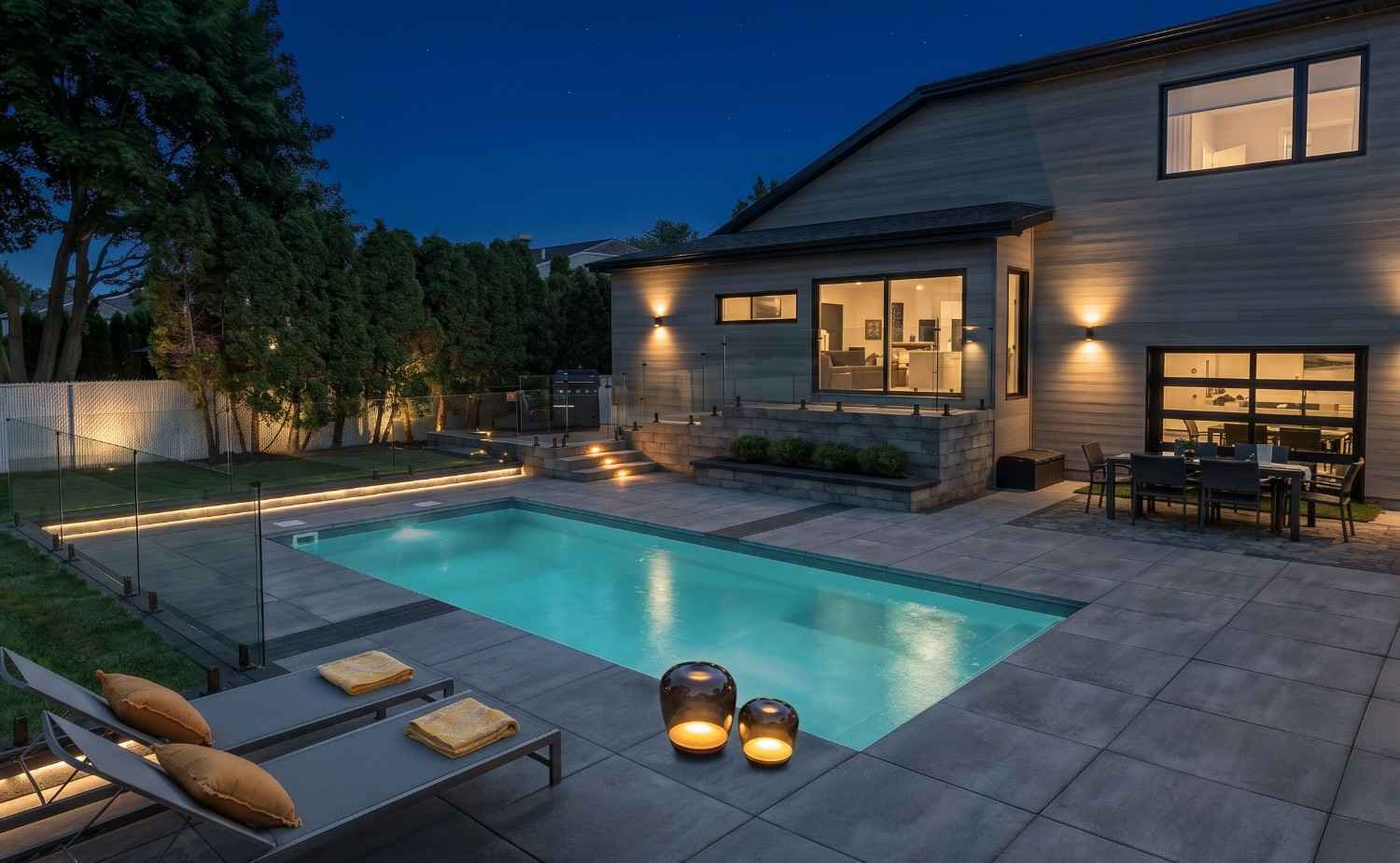
Front walkways play a key role in connecting your entire landscape design.
- A clear path improves accessibility and structure
- Material choice should match the rest of your landscape design ideas
- Lighting and borders can subtly improve the overall appearance. Outdoor lighting companies like In-Lite can help you enjoy your space well into the evening hours.
You can explore the top 7 front walkway ideas to build a walkway that fits naturally within your landscape planning.
4. Retaining Walls
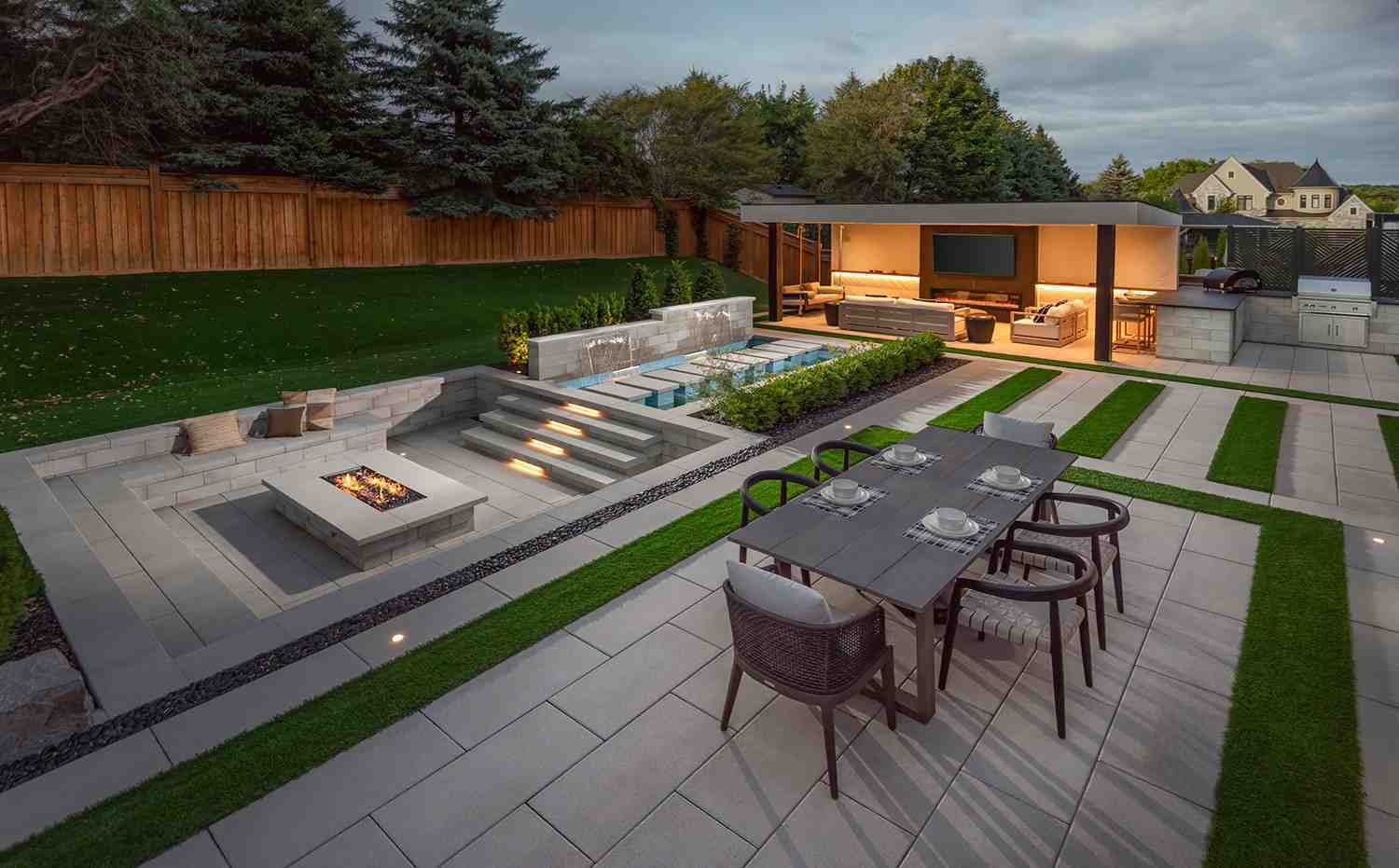
Retaining walls are often necessary in structured landscape planning, especially for uneven properties.
- They help manage elevation changes effectively
- Can double as seating or design features
- Add depth and structure to your landscape design
If you’re dealing with slopes, reviewing retaining wall landscaping ideas can help you plan both function and appearance together.
5. Patio
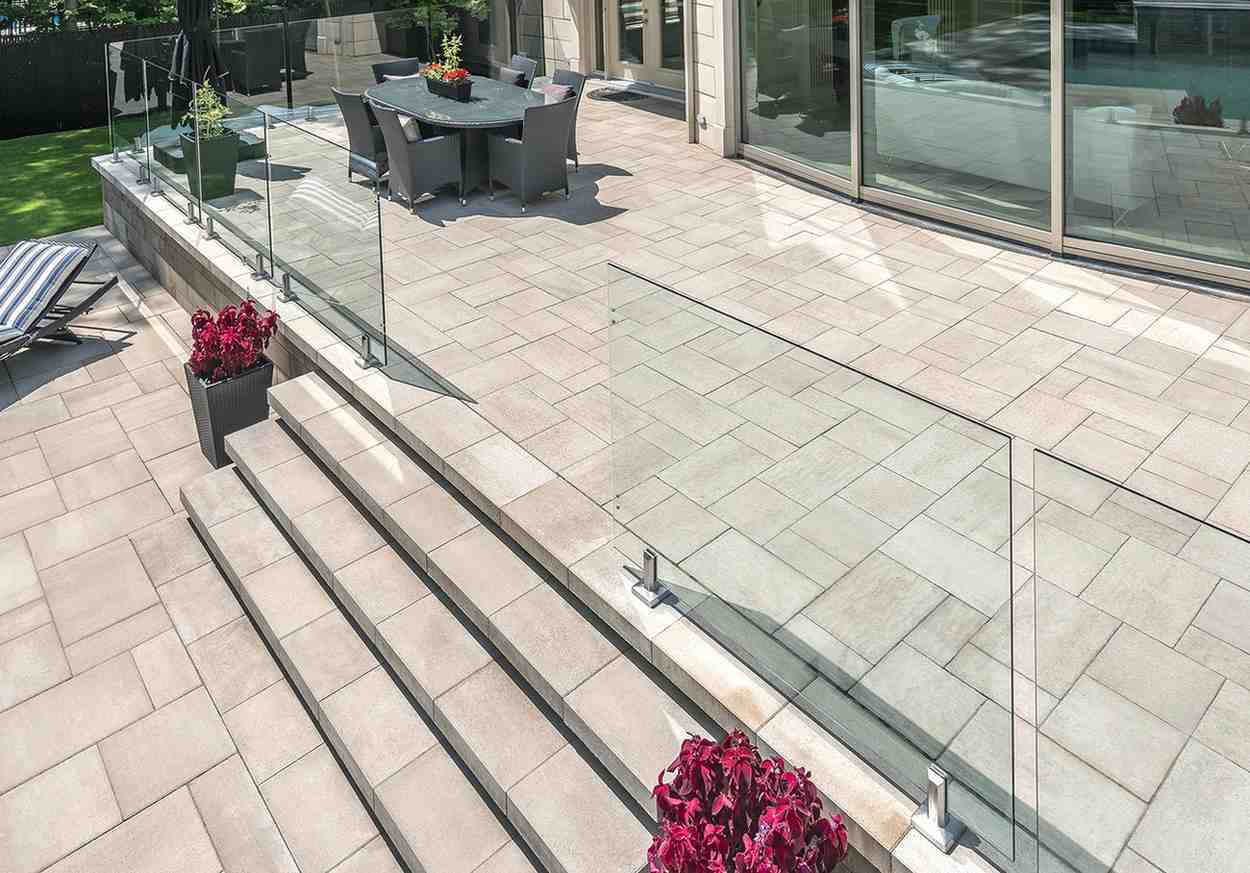
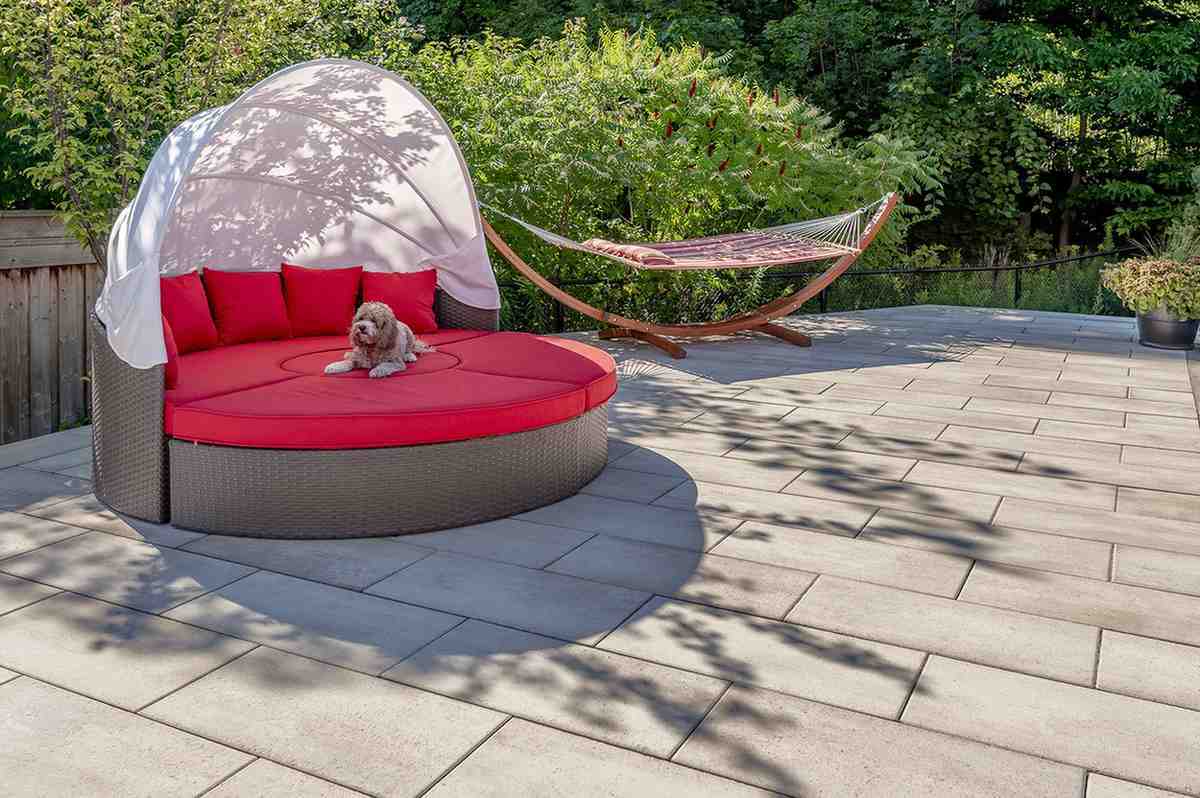
A patio is often the center of a well-thought-out landscape design and ideas setup.
- Defines a dedicated outdoor living space
- Works as a transition between indoor and outdoor areas
- Can be adapted based on size and layout
Going through backyard patio landscaping ideas helps you understand how to position and design this space within your landscaping planning.
6. Firepit Landscaping

Fire features bring a natural focal point into your backyard landscape design.
- Encourages gathering and outdoor use
- Works well in both small and large layouts
- Can be integrated into patios or open areas
Explore the top 10 firepit landscaping ideas will help you position the feature correctly within your overall design.
7. Swimming Pool Area
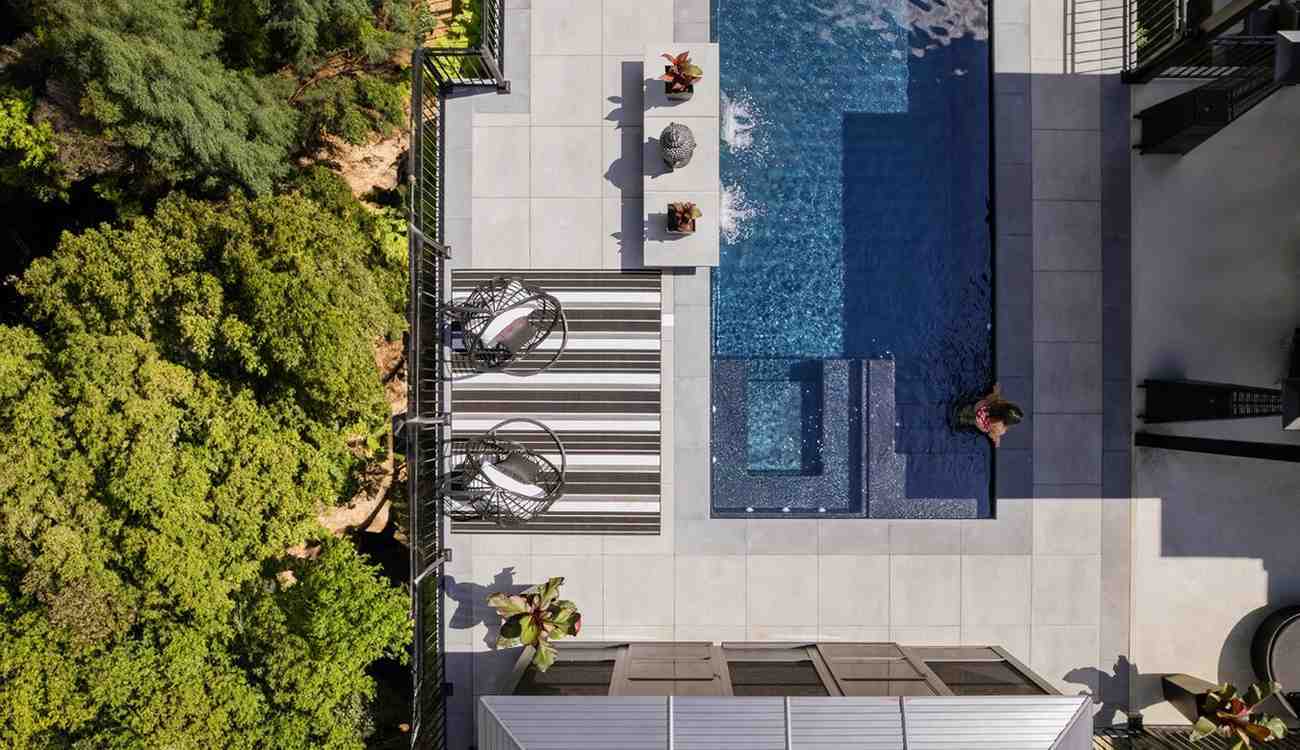
Pools add both visual and functional value when included early in landscape planning.
- Pool areas should connect smoothly with the rest of your landscape design
- Surrounding elements like patios and walkways should be planned together
- Pool coping plays an important role in both safety and the final look of the space
When working on landscape design ideas that include a pool, it’s important to build the layout around it rather than trying to fit it in later. The placement affects everything, from seating areas to movement across the space.
Many homeowners today consider fiberglass pools from Azoria during the early stages of landscaping planning, mainly because it allows the entire backyard landscape design to come together in a more organized way. At the same time, reviewing a pool coping guide helps finalize the edges and transitions, making sure the pool blends naturally into the overall landscape design and ideas.
8. Eco-Friendly Landscaping
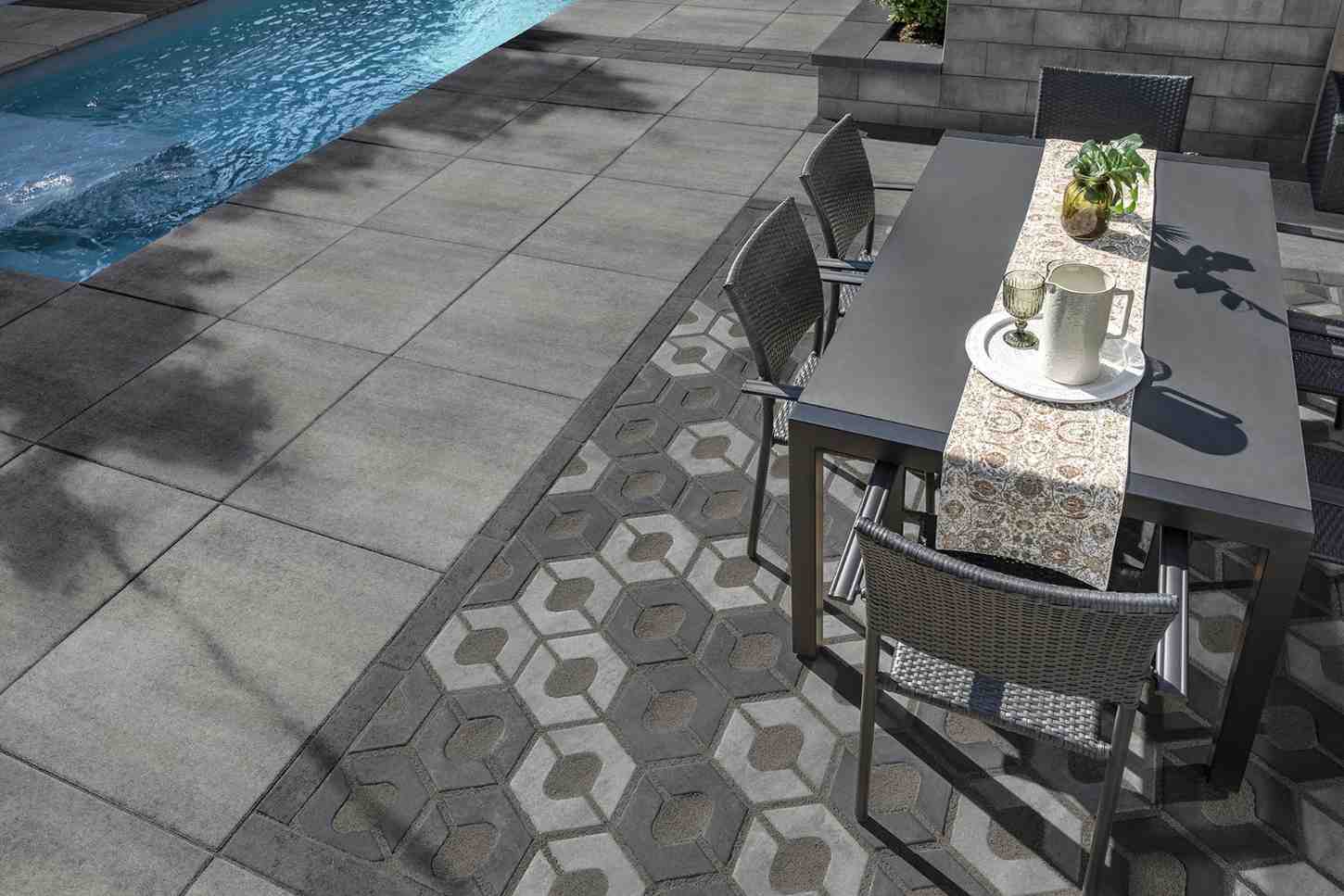
Sustainable choices are becoming a key part of modern landscaping planning.
- Permeable materials help manage water naturally
- Reduces long-term maintenance concerns
- Supports environmentally conscious landscape design
Looking into eco-focused solutions like permeable systems can strengthen both the function and longevity of your landscape planning. Understanding the benefits of permeable pavement in landscaping also helps you make better material choices, especially for driveways, patios, and walkways where water management plays a key role.
9. Commercial Landscaping
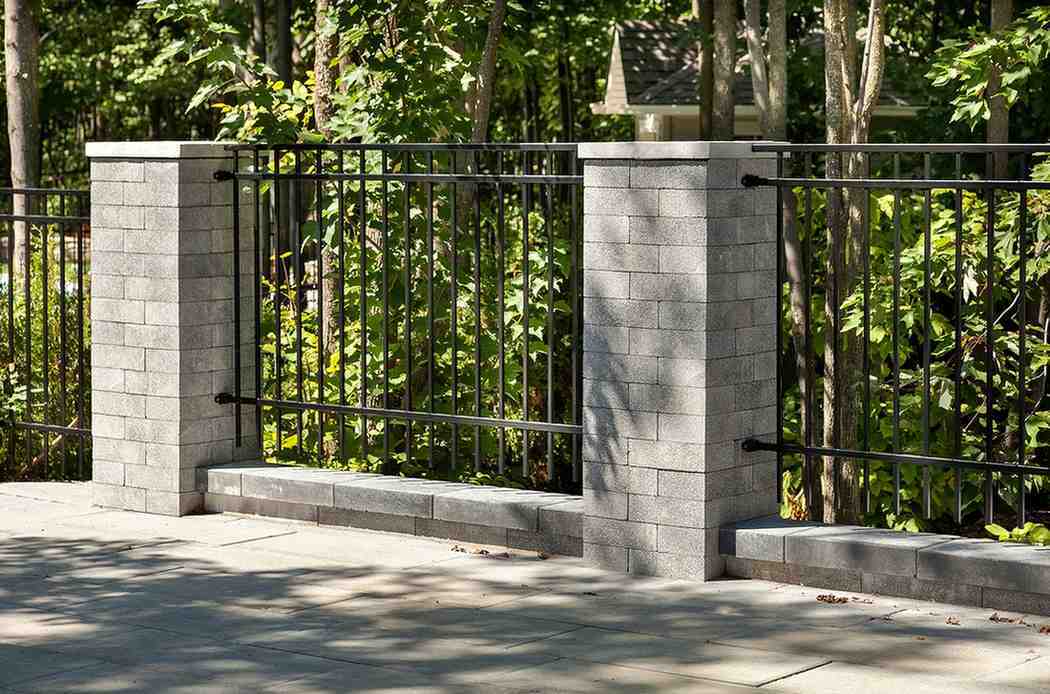
For larger properties, structured landscape design and ideas become even more important.
- Focus on accessibility and movement
- Maintain a clean, professional appearance
- Use durable materials for high-traffic areas
Exploring commercial landscaping ideas can help you plan larger layouts more efficiently while maintaining a consistent landscape design.
Step-by-Step Landscape Planning Process
Breaking down landscaping planning into steps makes it easier to manage and avoids confusion later on.
- Site analysis: Study your space carefully. Look at sunlight, drainage, and existing features.
- Concept planning: Sketch out rough landscape design ideas and decide how different areas will be used.
- Layout design: Define exact placements for walkways, patios, and planting zones.
- Material selection: Choose materials that align with your overall landscape design.
- Installation planning: Plan the order of work so everything comes together smoothly.
Taking the time to follow these steps reduces the chances of costly changes during installation.
Choosing the Right Materials for Your Landscape Project
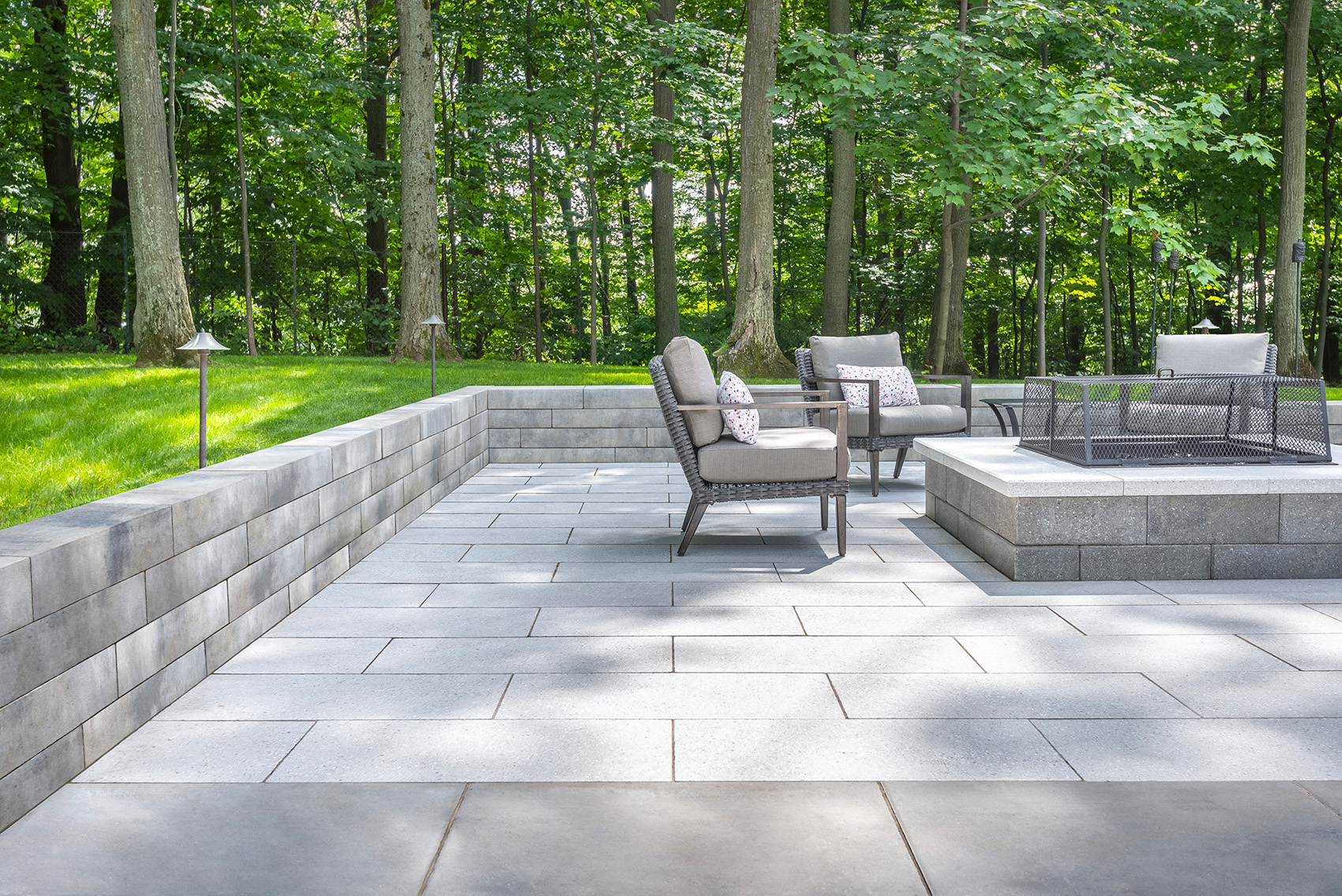
Material selection plays a big role in how your landscaping design looks and functions over time. For hardscaping, options like interlocking pavers are commonly used because they allow flexibility across different layouts, including patios, walkways, and driveways.
Keep in mind:
- Too many materials can make the design feel scattered
- A limited palette creates a more consistent look
It’s also worth considering how materials will age. Some develop character over time, while others require more attention to maintain their appearance. When selecting materials for your landscape planning, it helps to work with a collection that offers consistency across different elements.
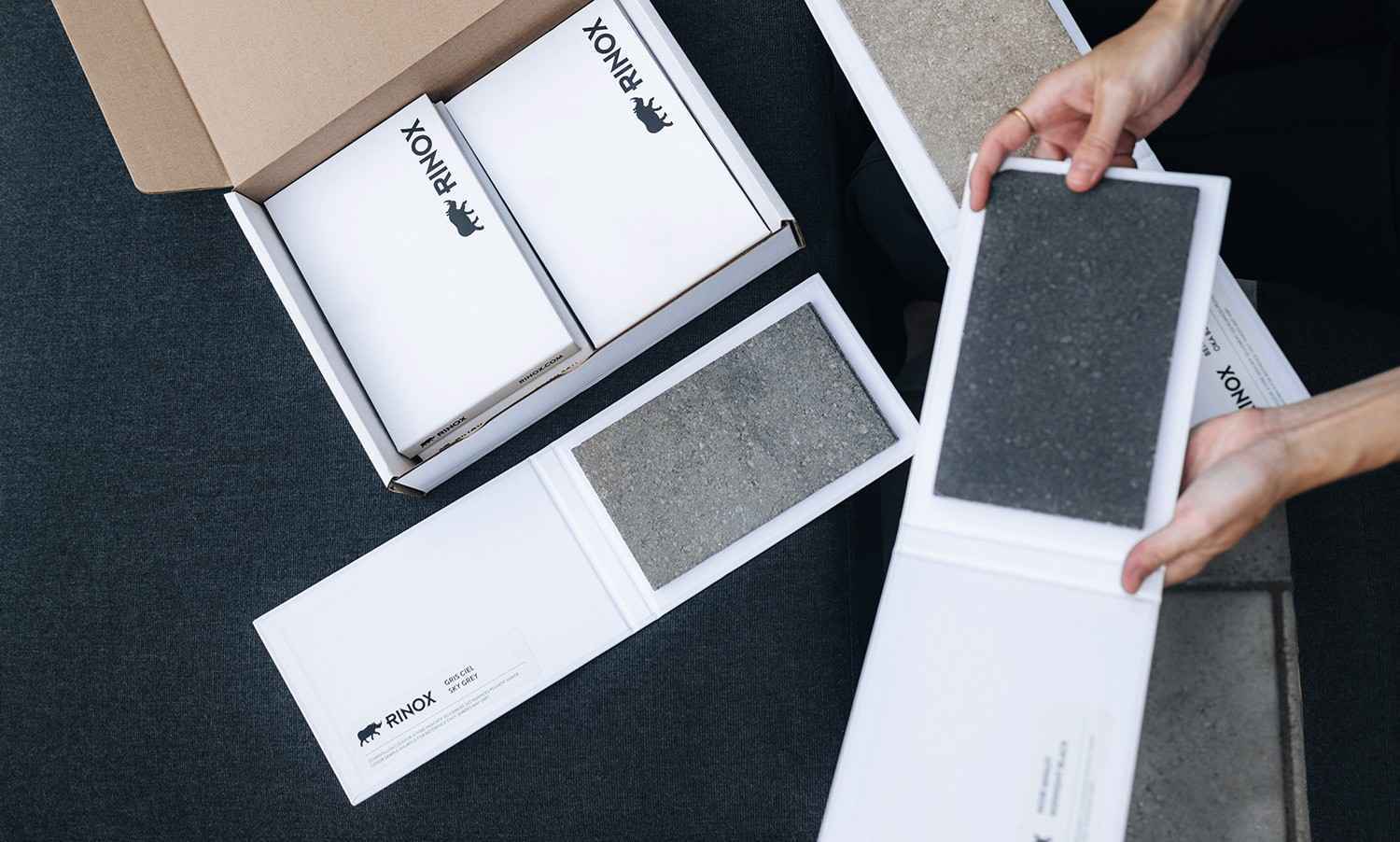
Many homeowners explore the Rinox Landscaping Collection, where you can find coordinated options such as concrete pavers, slabs, and retaining wall systems that fit together within a single landscape design. This makes it easier to maintain a unified look across patios, walkways, and structural features, without mixing materials that don’t align with your overall landscaping design ideas.
Common Landscape Planning Mistakes to Avoid
Even well-thought-out landscape design ideas can run into problems if certain details are overlooked during landscape planning.
Common mistakes include:
- Ignoring drainage: Poor water flow can damage both hardscaping and planting over time
- Poor space planning: Features may look good individually but won’t work well together
- Overcrowding plants: What looks full at the start often becomes difficult to manage later
- Choosing materials without a clear plan: This can make the overall landscape design feel inconsistent
- Skipping lighting plans: Limits how the space is used in the evening
Each of these issues can affect how your landscape planning performs over time. Paying attention to these early helps avoid rework and keeps your overall landscape design ideas aligned from start to finish.
Landscape Planning for Different Property Sizes
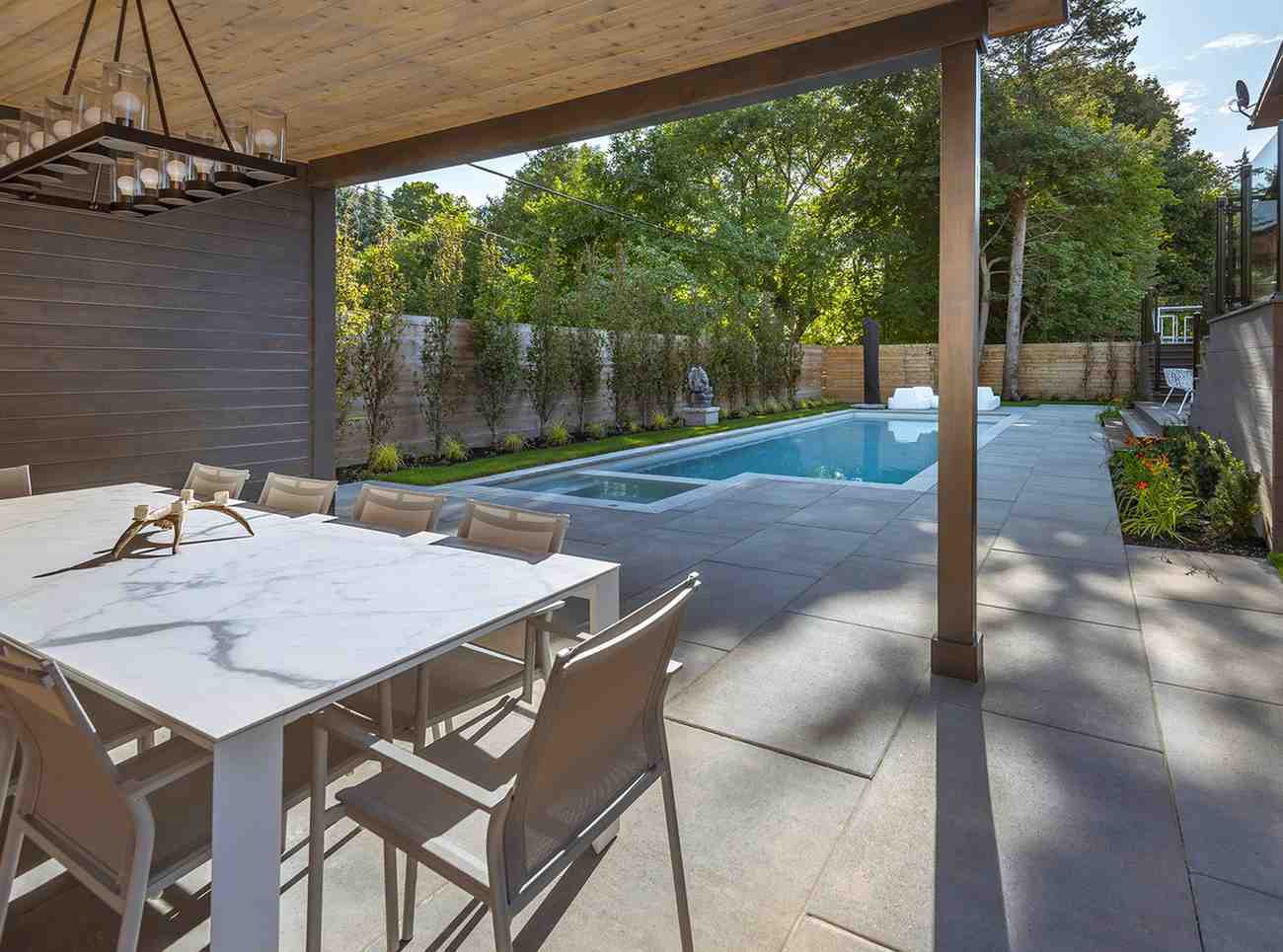
The size of your property directly affects how you approach landscape planning. What works well in a compact space won’t always translate to a larger layout, and vice versa. That’s why your landscaping planning needs to adapt based on available space.
Smaller spaces benefit from simple layouts and multi-use areas.
- Keep pathways clear and avoid unnecessary divisions
- Use features that serve more than one purpose, like seating walls or compact patios
- Focus on a clean backyard landscape design that doesn’t feel crowded
Medium-sized properties give you more flexibility to define zones without breaking the flow.
- Create separate areas for seating, walkways, and planting
- Maintain visual connection between sections
- Use consistent materials to support a balanced landscape design
Larger properties require more structure to avoid open areas feeling empty or disconnected.
- Introduce clear pathways to guide movement
- Use focal points like patios, retaining walls, or outdoor features
- Break the space into sections while keeping the overall landscape design and ideas connected
No matter the size, the goal is to create a layout that feels intentional. Clear pathways, defined zones, and strong focal points help bring consistency to your overall landscape design.
Budgeting Your Landscape Planning Project
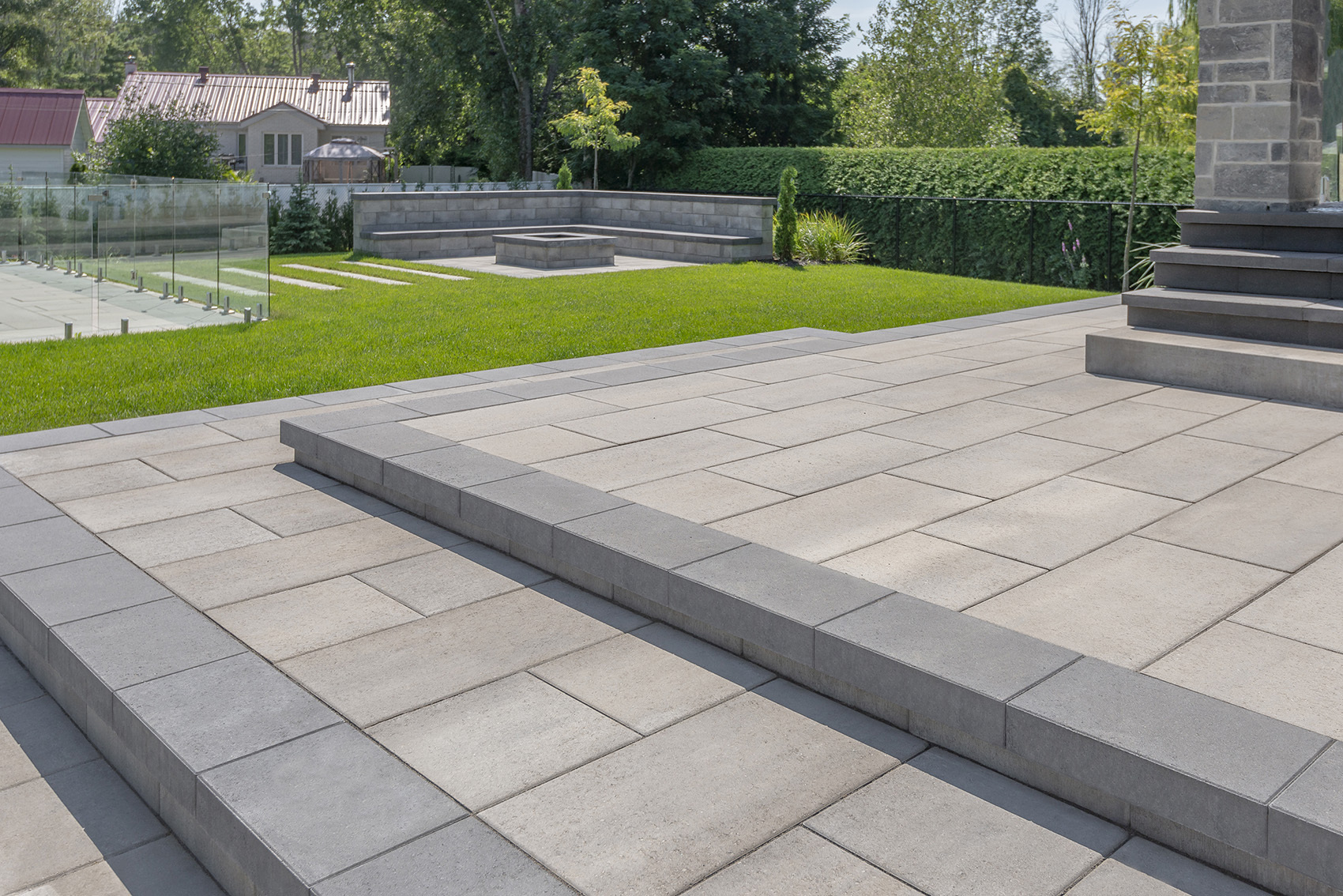
A clear budget is essential for effective landscape planning. Without it, it’s easy to overspend in some areas and cut back on elements that matter more.
Start by focusing on the parts of your landscaping design that shape how the space is used:
- Patios and seating areas
- Driveways and walkways
- Structural features like retaining walls
These elements usually have the biggest impact on both function and layout.
At the same time, keep other areas simple where possible:
- Avoid overcrowded planting
- Stick to clean, minimal detailing
- Plan certain features in phases if needed
It’s also important to look beyond the initial cost. Some landscaping ideas may seem affordable at first but require more upkeep over time. A well-planned budget helps keep your landscape design ideas consistent and avoids unnecessary changes later in the process.
Conclusion
Start Your Landscape Planning the Right Way
A well-planned landscape doesn’t happen by chance. It comes from understanding your space, making informed decisions, and thinking ahead. Taking the time to plan properly gives you a space that not only looks good but also works the way you need it to. Whether you’re starting from scratch or updating an existing layout, the right approach to landscape planning will always make the process smoother and the final result more satisfying.
FAQs: Landscape Planning