
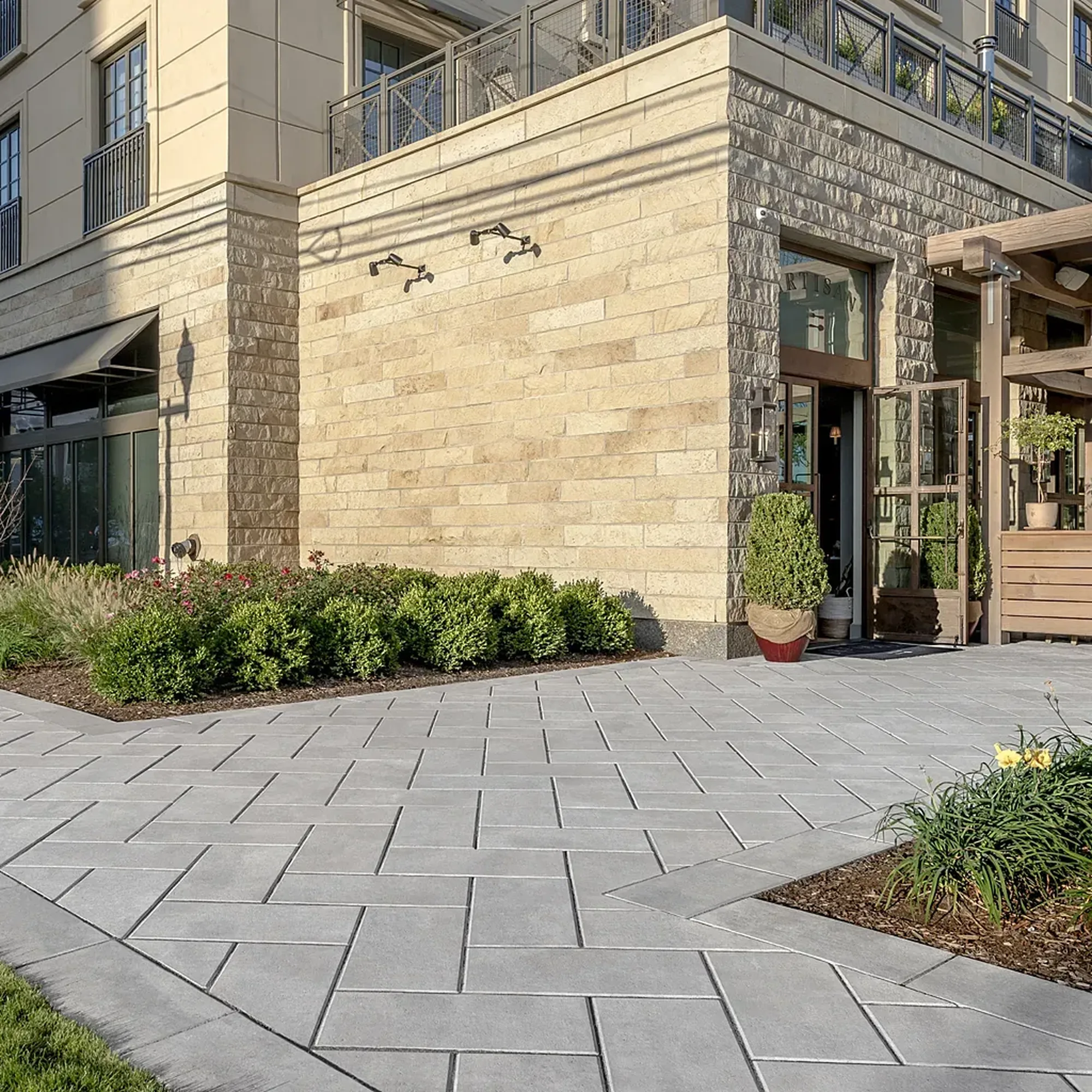
How to Choose Pavers for Commercial Landscaping Projects
Commercial outdoor spaces need to accommodate regular foot traffic, changing weather, and the demands of everyday use while maintaining a consistent appearance. From office properties and retail centers to restaurants, public spaces, and multi-unit developments, the right pavers can help define walkways, entrances, patios, courtyards, and other outdoor areas. Choosing the right product requires looking beyond appearance and considering the project's traffic levels, application, layout, maintenance requirements, and overall design.
What Makes Pavers Suitable for Commercial Landscaping?
Commercial landscaping projects often cover larger areas and experience more frequent use than residential landscapes. As a result, pavers need to suit the specific application and expected traffic.
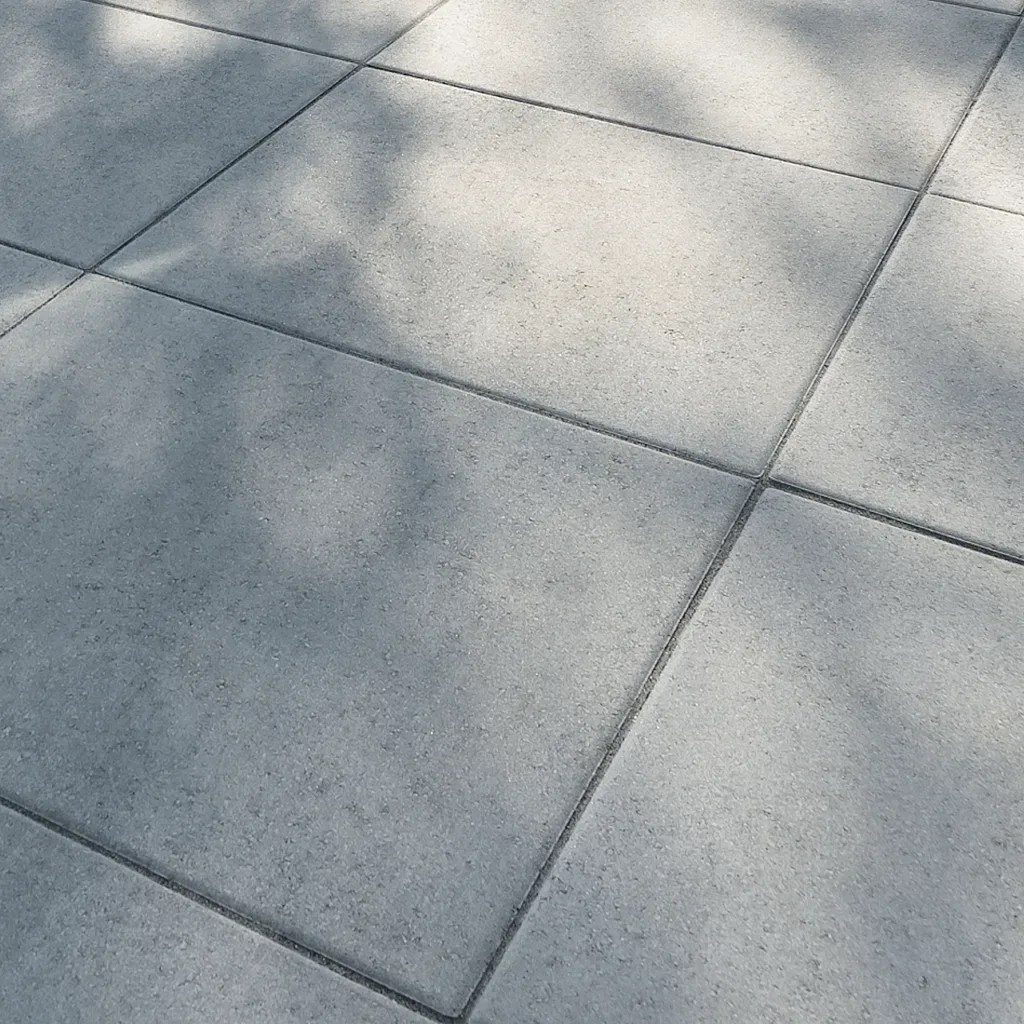
When selecting pavers for a commercial project, consider:
- Expected pedestrian or vehicle traffic
- Location and intended application
- Product thickness and specifications
- Surface drainage
- Maintenance requirements
- Overall landscape design
- Color and texture
- Installation requirements
A good starting point is to identify where the pavers will be installed and how the space will be used. A pedestrian walkway, restaurant patio, parking area, and commercial entrance may each require a different approach.
Explore the Commercial Landscaping collection to see Rinox products designed for commercial outdoor applications.
Key Factors to Consider When Choosing Commercial Pavers
1. Consider the Type of Traffic

Traffic levels are one of the first factors to consider when selecting pavers for commercial property.
A pedestrian walkway experiences different demands than a driveway, loading area, or parking space. Before selecting a product, determine whether the area will be used primarily by pedestrians, vehicles, or both.
For example:
- Walkways: Focus on pedestrian use, comfort, and design.
- Entrances: Consider frequent foot traffic and visual impact.
- Courtyards: Look for products that complement seating and gathering areas.
- Driveways and parking areas: Select products appropriate for vehicle traffic and the project's specifications.
- Service areas: Consider the expected loads and frequency of use.
Choosing a paver based on the actual application helps create a surface suited to the property's daily demands.
2. Look at Product Thickness and Specifications
Pavers and slabs can have different thicknesses and specifications depending on the product and intended application.
This distinction is particularly important for commercial landscaping because the requirements for a pedestrian area may differ from those of a vehicular application.
Always review the manufacturer's product specifications and installation recommendations before selecting a product for a commercial project.
3. Choose Colors That Fit the Property
Color plays an important role in commercial landscape design.
The paving should complement the building's exterior, surrounding landscape, signage, and other hardscape elements. Neutral colors can create a consistent backdrop, while contrasting colors can help define entrances, walkways, or gathering areas.
For larger commercial properties, using a coordinated color palette across different areas can create visual consistency without making every space look identical.
4. Consider Texture and Surface Appearance
Texture can influence how a commercial landscape looks and feels.
A contemporary office development may call for clean lines and a refined surface, while a restaurant's patio or residential development may benefit from a warmer, more traditional appearance.
When comparing products, consider how the texture will look alongside:
- Building materials
- Landscaping
- Retaining walls
- Steps
- Landscape borders
- Outdoor furniture
The goal is to select paving materials that work with the entire property rather than treating each outdoor area separately.
Choosing Pavers for Different Commercial Applications
The best paver can vary depending on where it will be installed.
Commercial Walkways
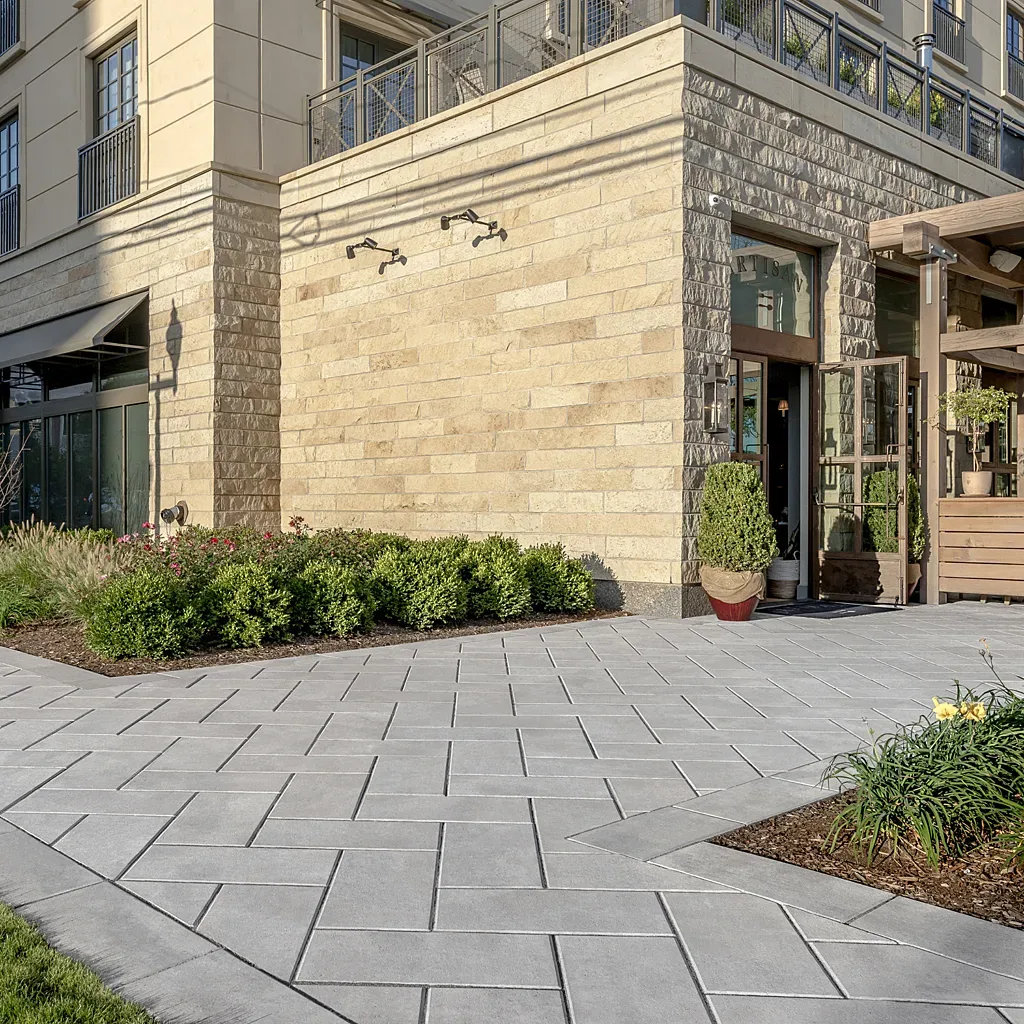
Walkways guide people between entrances, parking areas, patios, and other parts of a property.
For these areas, consider the walkway's expected foot traffic, width, layout, and connection to surrounding landscape features.
A consistent paver pattern can help create clear pedestrian routes while different colors or laying patterns can be used to visually distinguish entrances and transitions.
Commercial Entrances

A building entrance is often one of the first areas visitors see.
Pavers around an entrance can help define the arrival area and create a visual transition between parking, sidewalks, and the building.
Using a contrasting color or laying pattern can also draw attention to the entrance without requiring additional decorative elements.
Commercial Patios and Outdoor Gathering Areas
Restaurants, hotels, offices, and multi-unit developments may include outdoor areas for dining, seating, or gathering.
For these spaces, consider how the pavers will work with furniture, planting areas, walls, and other hardscape features.
Large-format products can create a clean layout, while different laying patterns can help define separate seating or dining areas.
Courtyards and Plazas
Courtyards and plazas often serve as central gathering areas within commercial properties.
These spaces provide more flexibility for design because pavers can be used to establish patterns, borders, pathways, and distinct zones.
For larger areas, planning the layout before installation is particularly important to ensure the paving pattern works with the scale of the space.
Driveways and Vehicle Areas
Some commercial properties include areas used by cars, delivery vehicles, or service vehicles.
For these applications, product selection should be based on the expected traffic and the manufacturer's recommendations for vehicular use.
The installation system, base preparation, drainage, and product specifications should all be considered as part of the project planning process.
Paver Design Ideas for Commercial Landscapes
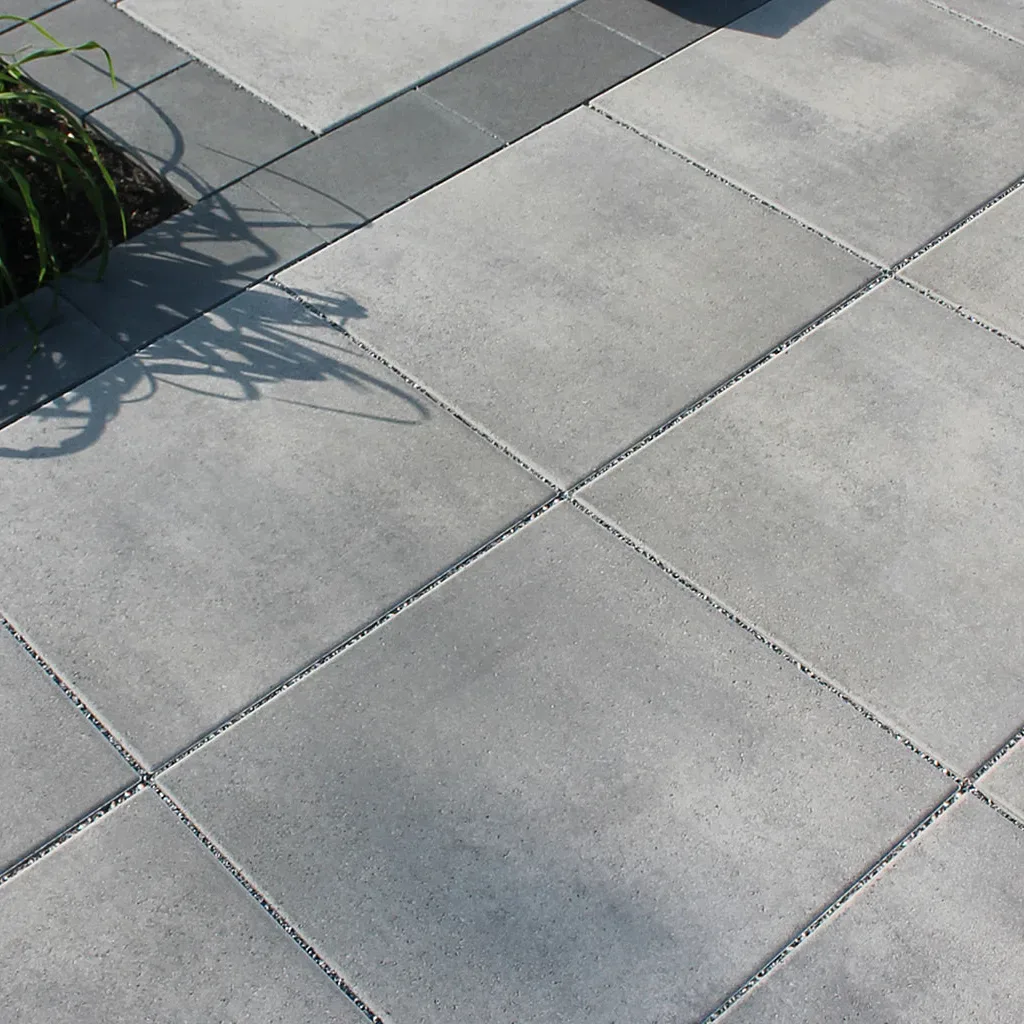
Commercial landscaping doesn't have to look repetitive. Pavers can be arranged in different patterns and combined with complementary landscape elements to create distinct outdoor spaces.
Create Defined Walkways
Use a consistent paver layout to establish clear pedestrian routes between buildings, parking areas, and outdoor spaces.
Frame Entrances
A contrasting color or pattern can visually frame a commercial entrance and create a clear transition from the surrounding pavement.
Combine Colors
Two complementary colors can help distinguish different areas without changing the paving material.
Use Borders
Borders can frame patios, walkways, plazas, and entrances while creating a visual transition between different paving areas.
Coordinate With Walls and Steps
Commercial landscapes often include elevation changes. Coordinating Pavers with Walls and Steps can create a more consistent overall design.
How to Balance Design and Maintenance
Commercial properties need landscapes that remain presentable while accommodating regular use.
When selecting pavers, consider how easily the surface can be maintained and how individual areas can be accessed if repairs are required.
A well-planned paving layout can also simplify future maintenance by making it easier to identify individual sections of the landscape.
Consider:
- Expected cleaning requirements
- Joint maintenance
- Drainage
- Access to underground utilities
- Future repairs
- Replacement availability
It's also important to follow the manufacturer's installation and maintenance recommendations for the selected product.
Why Project Planning Matters
Commercial landscaping projects often involve several professionals, including property owners, architects, landscape designers, contractors, and installers.
Early coordination can help ensure the selected pavers work with the project's overall design and construction requirements.
Before finalizing the product, review:
- Application – Where will the pavers be installed?
- Traffic – Will the area be pedestrian or vehicular?
- Product specifications – Is the selected product suitable for the application
- Design – Do the colors, textures, and patterns complement the property
- Installation – Does the proposed installation follow manufacturer recommendations?
- Maintenance – How will the surface be maintained over time?
It's also important to follow the manufacturer's installation and maintenance recommendations for the selected product.
This approach helps connect product selection with the actual needs of the commercial property.
Common Mistakes When Choosing Commercial Pavers
Choosing Based Only on AppearanceA paver may look suitable for a project but still not appropriate for the intended application. Always consider product specifications and expected traffic.
Using the Same Product Everywhere
Different areas of commercial property may have different requirements. Walkways, patios, entrances, and vehicle areas don't necessarily need the same product.
Ignoring the Overall Design
Pavers should work with the building, landscaping, walls, steps, and other hardscape features.
Overlooking Installation Requirements
The right product still requires an appropriate installation system. Follow manufacturer recommendations and work with qualified professionals when needed.
Forgetting Future Maintenance
Consider how the surface will be cleaned, maintained, and repaired before finalizing the design.
Conclusion
Choosing pavers for a commercial landscaping project requires a balance between application, traffic, product specifications, design, and long-term maintenance. Start by identifying how each outdoor area will be used, then select products that meet those requirements while complementing the property's architecture and landscape.
From commercial walkways and entrances to patios, courtyards, and vehicle areas, thoughtful paver selection can help create outdoor spaces that are consistent with the property's design and suited to everyday use. Explore Rinox's Commercial Landscaping collection to find paving products for your next commercial landscape project.