

Concrete Pavers vs Natural Stone: What’s the Difference?
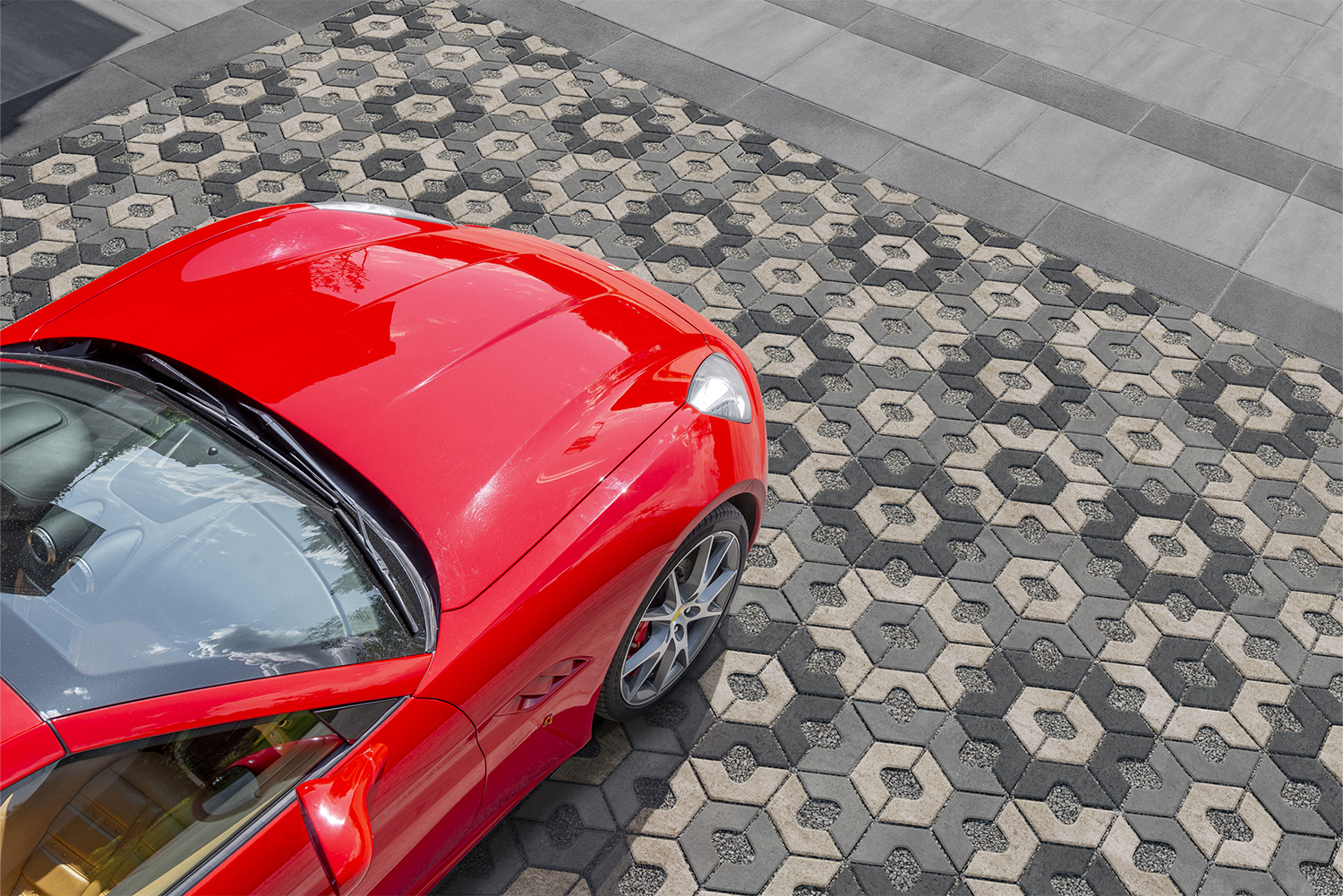
The biggest difference between concrete pavers and natural stone comes down to how the materials are made.
Concrete pavers are manufactured products made using high-strength concrete molds. They are produced in controlled sizes, shapes, colours, and finishes, which creates a more uniform surface. Natural stone is quarried directly from nature. Each piece has its own texture, colour variation, and shape, making the surface look more organic and less structured.
Both materials are used in landscaping, but they create very different results:
- Concrete pavers offer cleaner lines and more consistency, natural stone creates a more irregular and natural appearance
- Concrete pavers are easier to match across larger areas, natural stone usually has more variation from piece to piece
When comparing pavers vs natural stone, the decision often comes down to whether you prefer a modern structured layout or a more natural outdoor look.
Why Concrete Pavers Are Popular in Modern Landscaping?
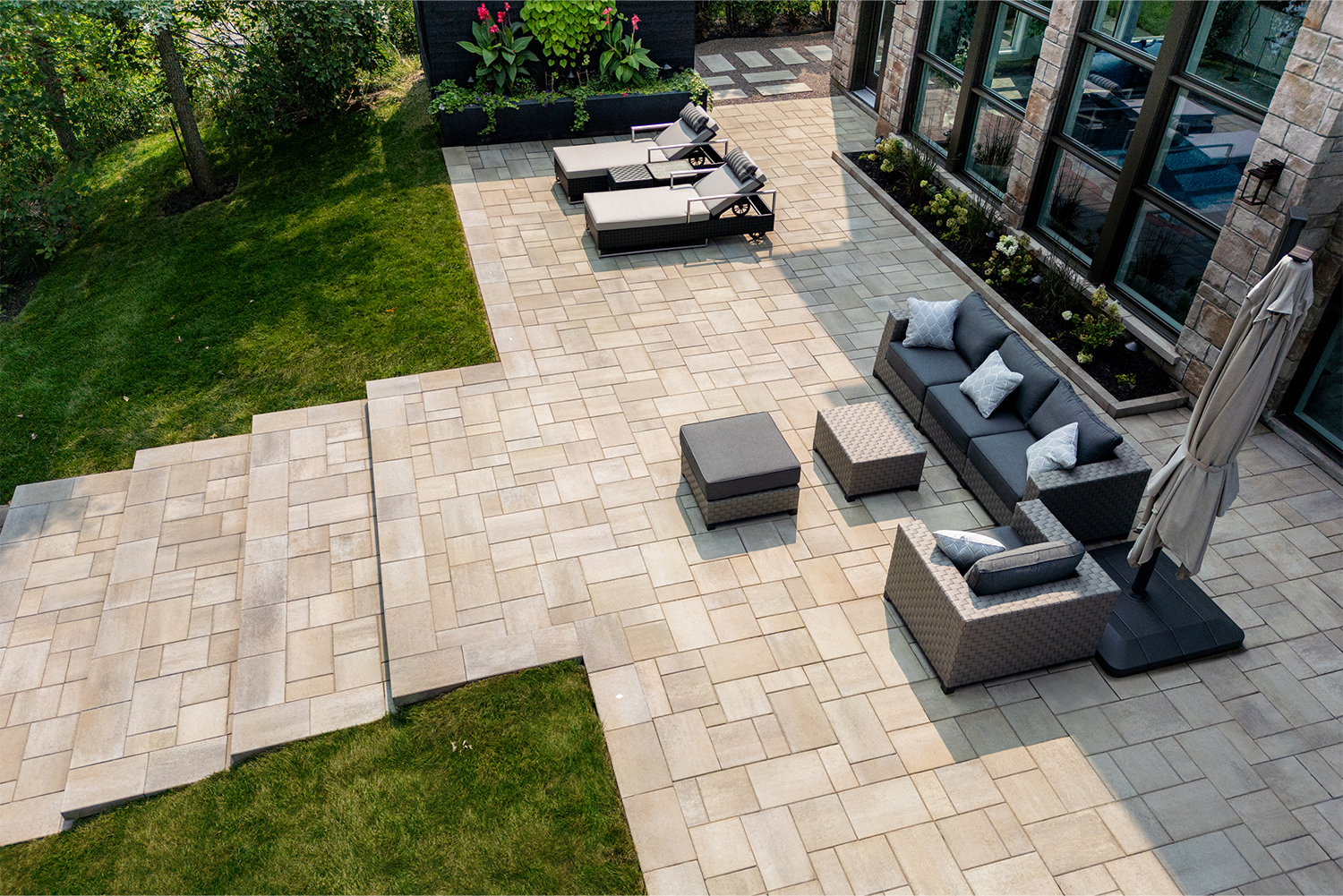
Over the last several years, concrete pavers have become one of the most commonly used materials in residential landscaping. Homeowners prefer them because they offer durability, design flexibility, and easier long-term maintenance. One major reason is consistency. Since concrete pavers are manufactured, they maintain cleaner edges, balanced sizing, and more predictable installation patterns.
They are commonly used for:
- Driveways
- Patios
- Walkways
- Pool decks
- Outdoor seating areas
Another reason concrete pavers are popular is the wide variety of styles available today. Modern collections now include large format slabs, textured finishes, and contemporary colour tones that work well with both traditional and modern homes. Many homeowners exploring outdoor upgrades start by looking through Rinox's collections of concrete pavers because it helps them visualize how different layouts can fit within their landscape design.
Durability: Concrete Pavers vs Natural Stone
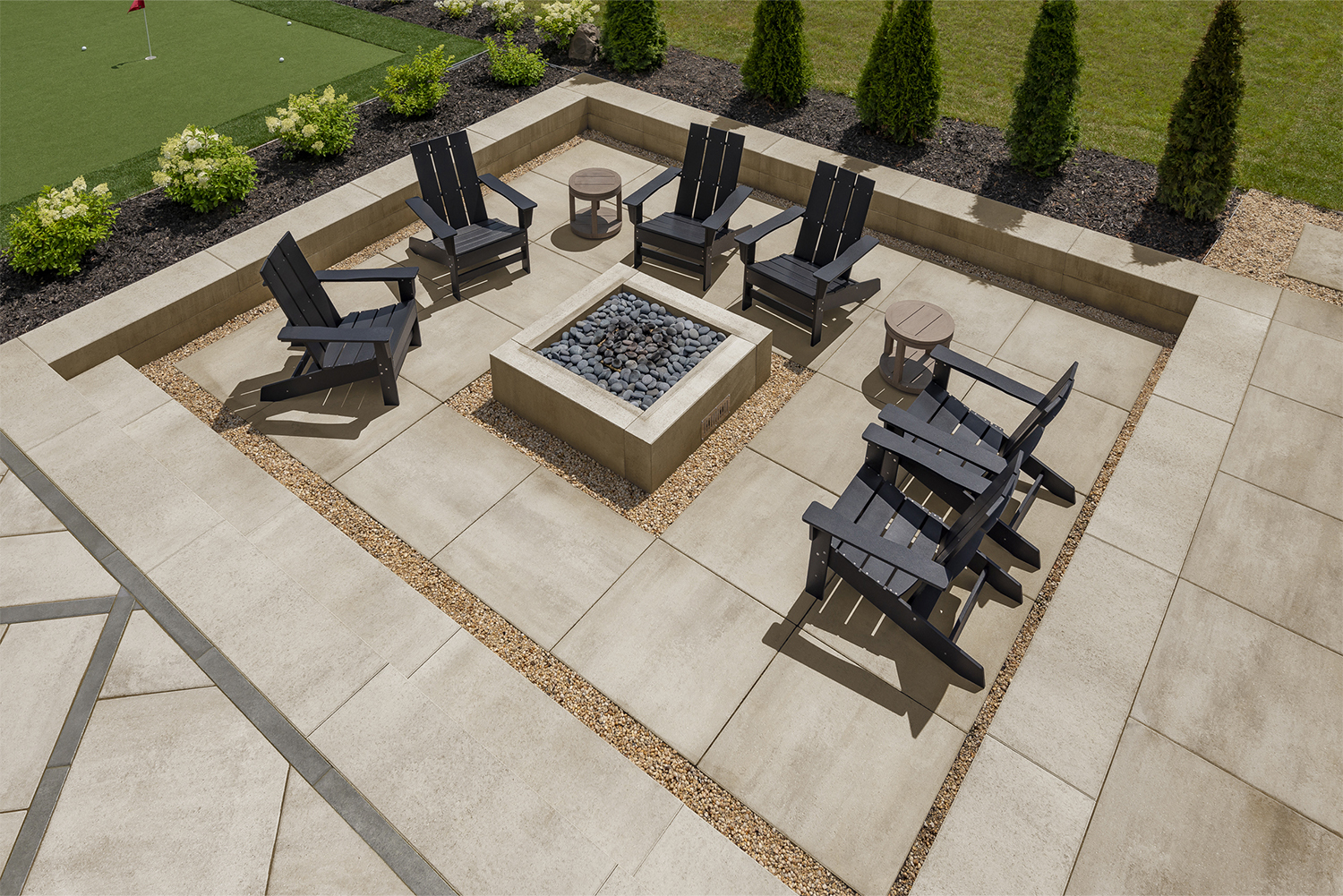
Durability is one of the biggest deciding factors when comparing concrete pavers vs natural stone. Concrete pavers are designed to handle regular traffic, seasonal temperature changes, and surface movement. Because the system is made of individual units, the surface can shift slightly without causing major visible cracking. Natural stone is also durable, but performance varies depending on the type of stone being used. Some stones are very dense and long-lasting, while others may chip or wear faster over time. In colder climates like Canada, freeze and thaw cycles are especially important to consider.
Concrete pavers offer several advantages:
- Better flexibility during ground movement
- Easier repairs if damage occurs
- Strong load distribution for driveways
- Consistent performance across larger surfaces
Natural stone can still last for decades, but uneven thickness and irregular shapes sometimes make installation more difficult, especially for high-traffic areas.
Maintenance Differences Between Concrete Pavers and Natural Stone
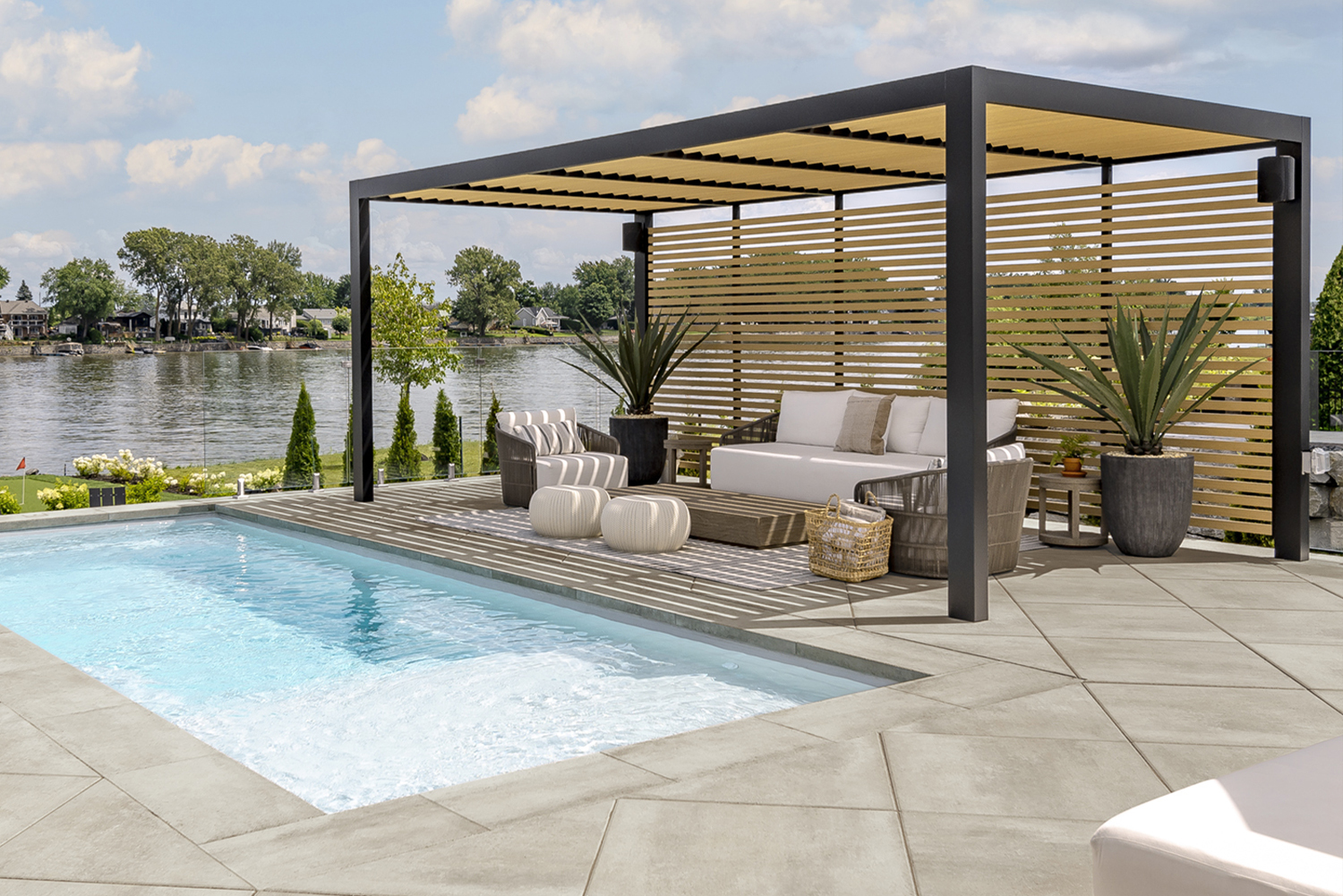
Maintenance is another major difference between pavers vs natural stone.
Concrete pavers are generally easier to maintain because damaged units can be replaced individually without removing the entire surface.
Basic maintenance usually includes:
- Occasional cleaning
- Replacing joint sand when needed
- Sealing in certain cases
- Minor levelling adjustments over time
Natural stone often requires more attention depending on the material. Some stones stain more easily, while others may require specialized sealing products. Because natural stone surfaces are less uniform, repairs can also become more complicated if matching pieces are unavailable later. For homeowners looking for a surface that stays easier to manage long term, concrete pavers are usually the more practical choice.
Design Flexibility and Appearance
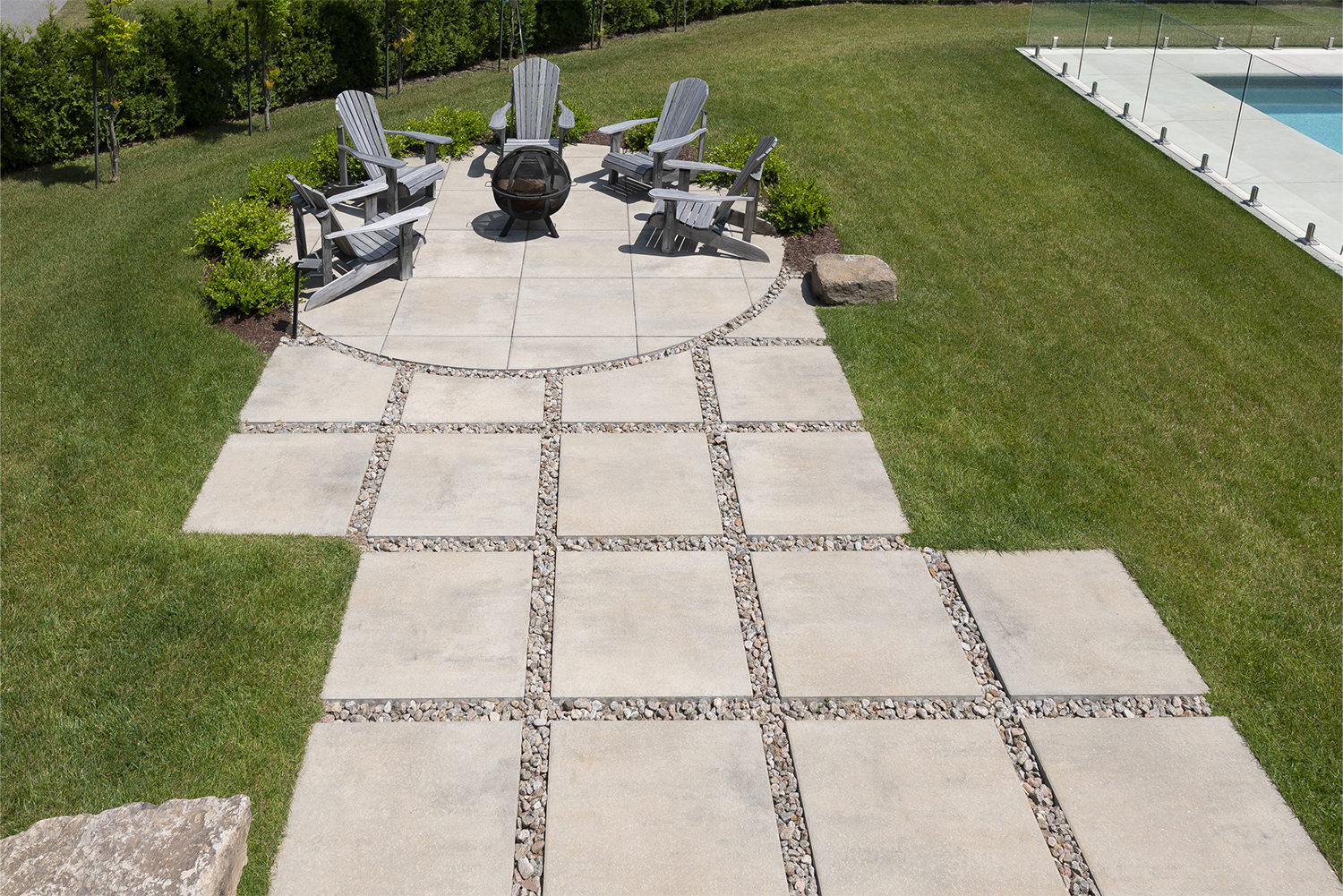
Appearance plays a major role when choosing landscaping materials. Concrete pavers offer more control over layout and design consistency. Since sizes and finishes are standardized, it becomes easier to create organized outdoor spaces with clean lines and balanced patterns.
Popular concrete paver layouts include:
- Linear modern designs
- Large format slab layouts
- Modular patterns
- Contemporary grid styles
Natural stone creates a more irregular look with unique texture and variation. Some homeowners prefer this because it feels less structured and more natural. However, when working on larger projects, maintaining visual consistency with natural stone can sometimes be more difficult. Modern landscaping trends today often lean toward structured layouts, which is one reason concrete pavers continue gaining popularity across patios, walkways, and driveways.
Cost Comparison: Natural Stone Vs Concrete Pavers
Cost differences between concrete pavers and natural stone can be significant depending on the project size and installation complexity.
In most cases:- Concrete pavers are more budget-friendly
- Natural stone usually costs more for both material and labour
- Installation for natural stone often takes longer
- Custom cutting and fitting increases labour costs
Concrete pavers also provide more predictable pricing because the materials are standardized.
Natural stone pricing can vary heavily depending on:
- Stone type
- Availability
- Thickness
- Finish
- Transportation costs
For many homeowners, concrete pavers provide a better balance between cost, durability, and overall appearance.
Best Uses for Concrete Pavers in Landscaping
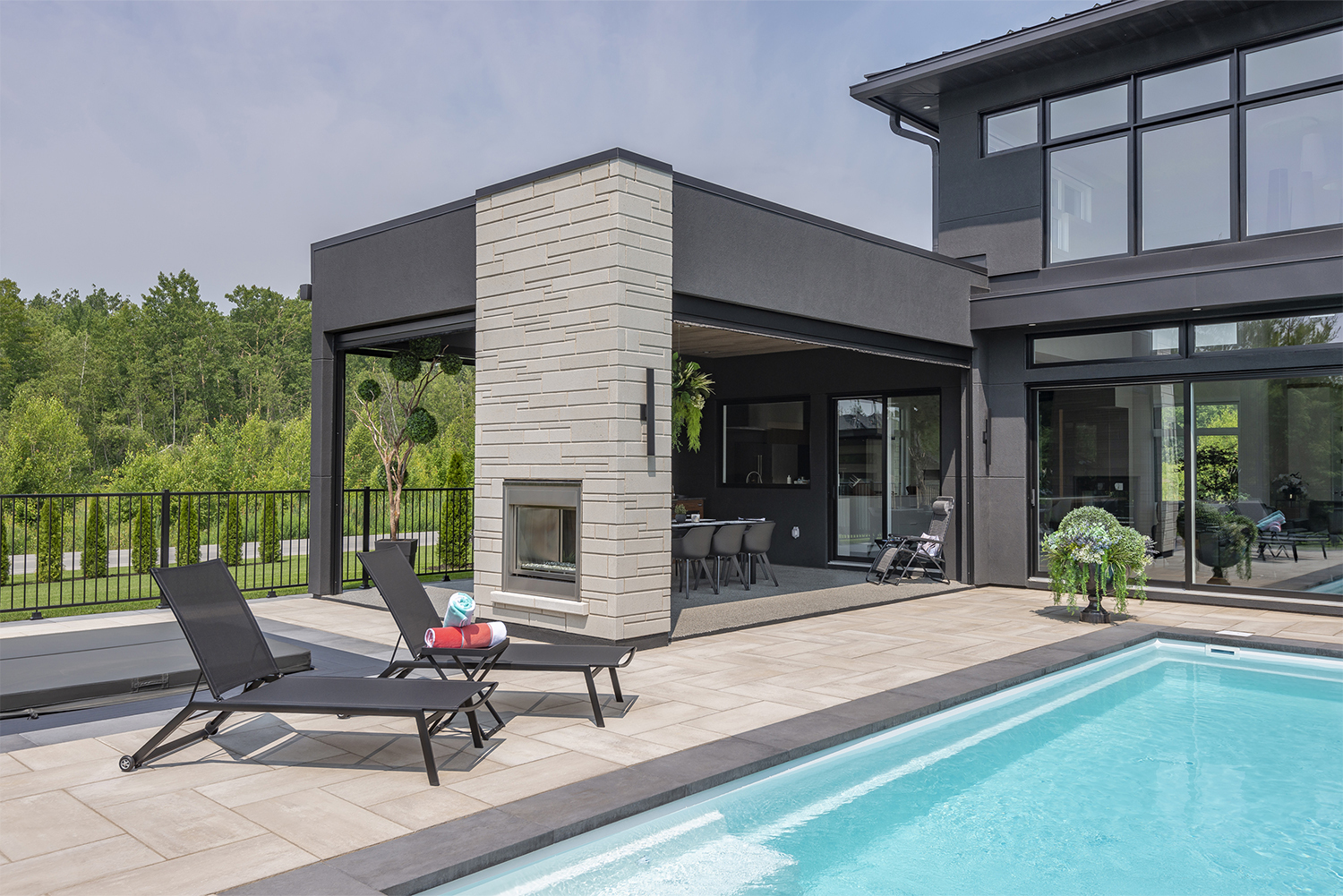
Concrete pavers work well across many types of landscaping projects because they combine structure, durability, and layout flexibility.
Driveways
Concrete pavers are widely used for driveways because they handle vehicle loads well while maintaining a clean surface over time. Many homeowners planning an interlocking driveway choose concrete pavers for their strength and long-term durability.
Patios
Patios are one of the most common areas where concrete pavers are installed. Large slab layouts and modular patterns help create organized outdoor living spaces that connect naturally with the rest of the backyard. Different styles of patio pavers also make it easier to match modern and traditional home designs.
Walkways
Concrete pavers are also ideal for pathways and entrance areas because they provide stable footing and clean transitions between spaces. Homeowners often use them in walkway landscaping where both appearance and durability matter.
Installation Differences
Installation methods are very different between concrete pavers and natural stone.
Concrete pavers are easier to install because the sizes are consistent and patterns are more predictable.
The installation process usually includes:
- Excavation
- Base preparation
- Bedding sand installation
- Paver placement
- Joint sand compaction
Natural stone installation often requires more manual adjustment because pieces vary in thickness and shape.
This can increase:
- Installation time
- Labour costs
- Surface leveling work
- Cutting requirements
For larger landscaping projects, the consistency of concrete pavers usually makes the process more efficient overall.
Common Mistakes When Choosing Between Pavers and Natural Stone
Many homeowners focus only on appearance and overlook how the material will perform long term.
Common mistakes include:
- Choosing natural stone without considering maintenance
- Ignoring freeze and thaw performance
- Selecting materials that don’t match the home style
- Prioritizing short-term appearance over long-term durability
- Underestimating installation complexity
Looking at the full project instead of only the material itself usually leads to better landscaping decisions.
Why Choose Rinox Concrete Pavers?
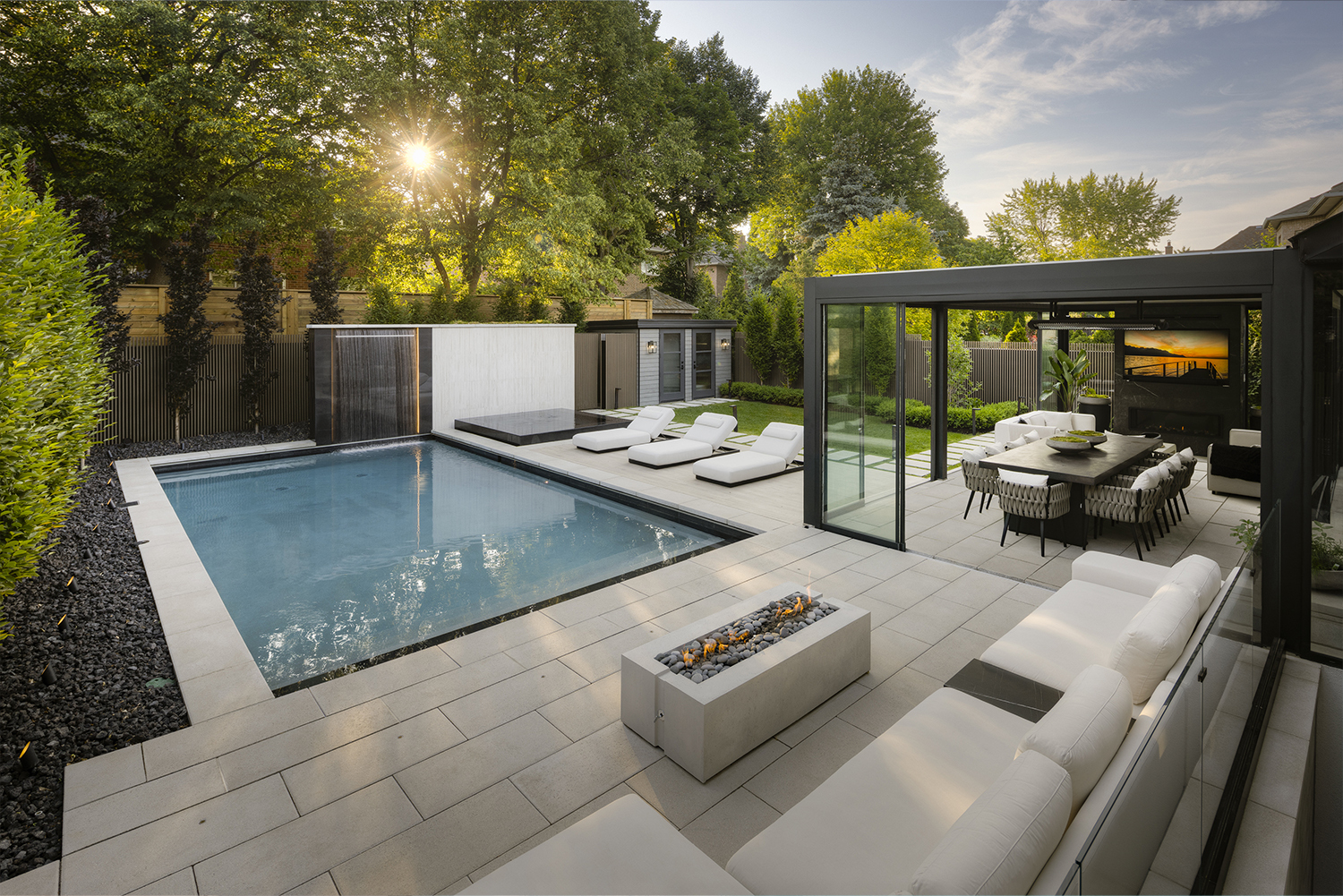
Choosing the right material matters but choosing the right manufacturer matters just as much.
Rinox offers a wide range of concrete pavers designed for modern landscaping projects across Canada. The collections include contemporary slab styles, modular layouts, driveway pavers, patio surfaces, and walkway solutions that work across different property types.
Homeowners choose Rinox because of:
- High-quality concrete manufacturing
- Modern colours and textures
- Strong performance in Canadian climates
- Consistent sizing and finishes
- Large variety of design options
Whether you are building a driveway, patio, or complete backyard layout, Rinox concrete pavers provide long-term durability while helping maintain a clean and organized landscape design.
Conclusion
When comparing concrete pavers vs natural stone, there is no single answer that fits every project. Both materials offer different advantages depending on the look, budget, and performance you want from your outdoor space. Natural stone brings a more organic appearance, while concrete pavers offer stronger consistency, easier maintenance, and more predictable long-term performance. For homeowners looking for durability, design flexibility, and a cleaner overall layout, concrete pavers are often the better fit for modern landscaping projects.