
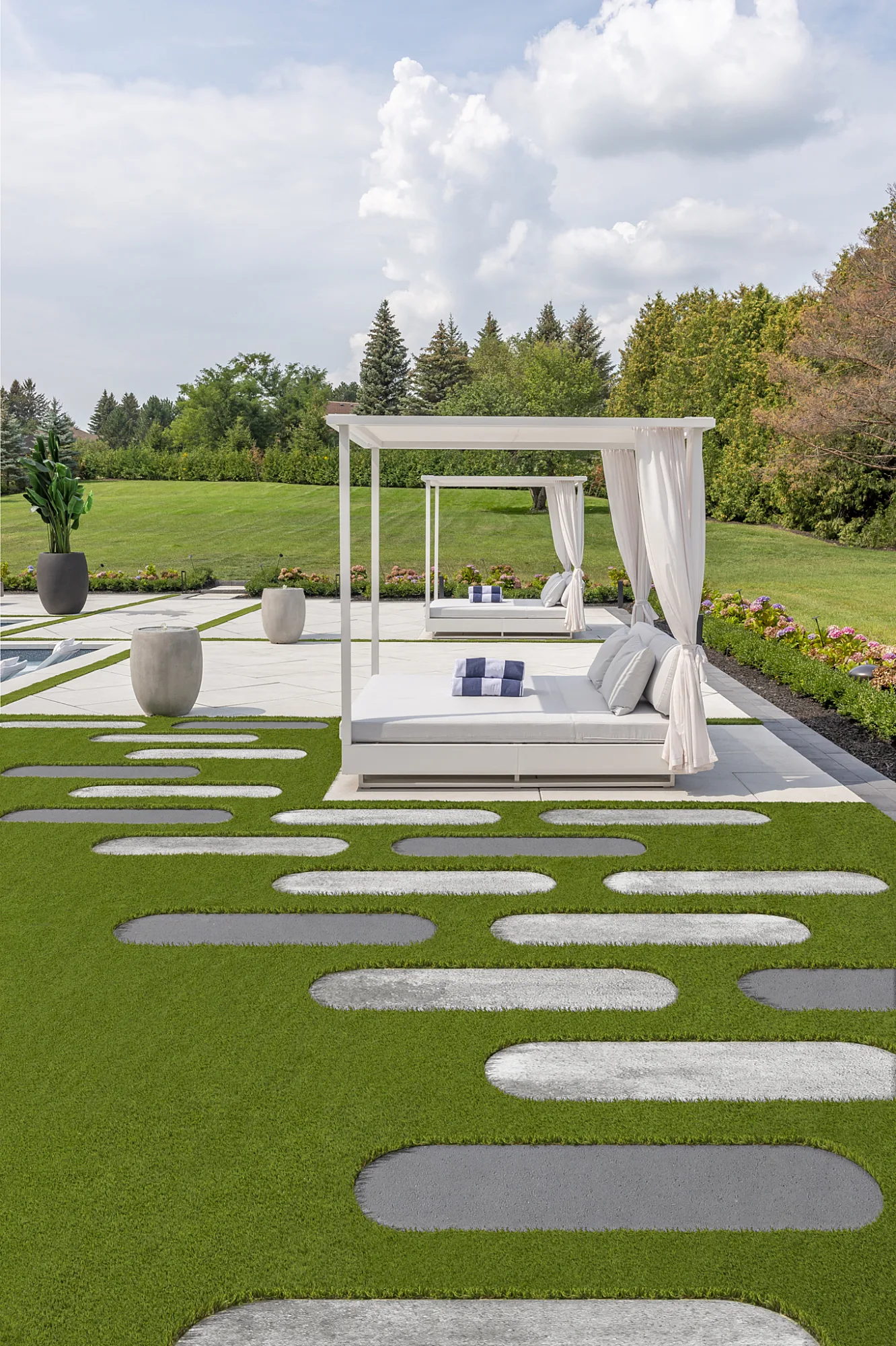
When planning a backyard, most homeowners focus on patios, seating areas, plants, or fences first. But one thing that often gets overlooked is the backyard walkway. A walkway does more than connect one area to another. It helps organize the entire backyard, improves movement, and gives structure to the landscape. Without a proper path, even a well-designed backyard can feel disconnected. People end up walking through grass, corners feel unfinished, and different areas don’t flow naturally together. A good walkway fixes that by guiding movement while blending into the overall layout. The best backyard walkway ideas are the ones that feel natural within the space. They don’t overpower the backyard or look forced. Instead, they help tie patios, gardens, pools, and seating areas together in a clean and organized way.
Why Backyard Walkways Matter in Landscape Design
A properly planned backyard walkway changes how the entire landscape functions. It creates direction and helps every section of the backyard connect naturally.
Walkways are commonly used to:
- Connect patios and outdoor seating areas
- Create access between gardens and backyard zones
- Improve movement across the property
- Prevent worn grass and muddy pathways
- Add structure to the overall landscape layout
Good backyard walkway designs also make outdoor spaces easier to use daily. Instead of random movement through the yard, the layout feels more intentional and organized. In larger backyards, walkways help break the space into usable sections without making the landscape feel crowded. In smaller yards, they help create better flow and improve how the space feels overall. Choosing the right walkway products also plays a big role in keeping the design consistent across the entire landscape
Key Things to Consider Before Designing a Backyard Walkway
Before looking at materials or patterns, it’s important to understand how the walkway will actually be used. Many walkway problems start because the layout was planned only around appearance instead of function.
- Purpose of the Walkway - Some walkways are designed mainly for access, while others are part of the backyard design itself. A path leading to a patio will usually require a different layout than a small garden walkway.
- Width and Movement Flow - A narrow path can feel uncomfortable, especially in frequently used areas. Wider layouts usually work better near patios, pools, or outdoor gathering spaces.
- Straight vs Curved Layouts- Straight layouts create a cleaner and more modern look. Curved pathways feel softer and are often used around gardens and natural landscaping. Choosing between the two depends on the style of the property and how the backyard is organized.
- Drainage Considerations- Drainage matters more than many homeowners realize. Poor water flow can lead to shifting materials, standing water, and uneven surfaces over time.
- Sun and Shade Exposure- Certain materials react differently depending on sunlight and moisture exposure. Some surfaces hold heat more than others, especially during summer.
- Matching the Walkway With the Landscape - The walkway should feel connected to the rest of the property. Materials, colours, and layout should work naturally with patios, retaining walls, planting areas, and the house itself. The best pathway ideas in backyard landscaping are the ones that feel like they were planned with the entire property in mind instead of added afterward.
Best Backyard Walkway Ideas for Different Landscapes
There is no single layout that works for every backyard. The right design depends on the size of the property, the surrounding landscape, and how the space is used.
1. Modern Concrete Paver Walkways
One of the most popular backyard walkway ideas today is the use of modern concrete pavers. These layouts create clean lines and work especially well in contemporary landscaping. Concrete pavers also allow flexibility in pattern and colour selection, making it easier to match different backyard styles. Many homeowners prefer using concrete pavers because they create a structured layout while still allowing design flexibility.
2. Large Slab Backyard Pathways
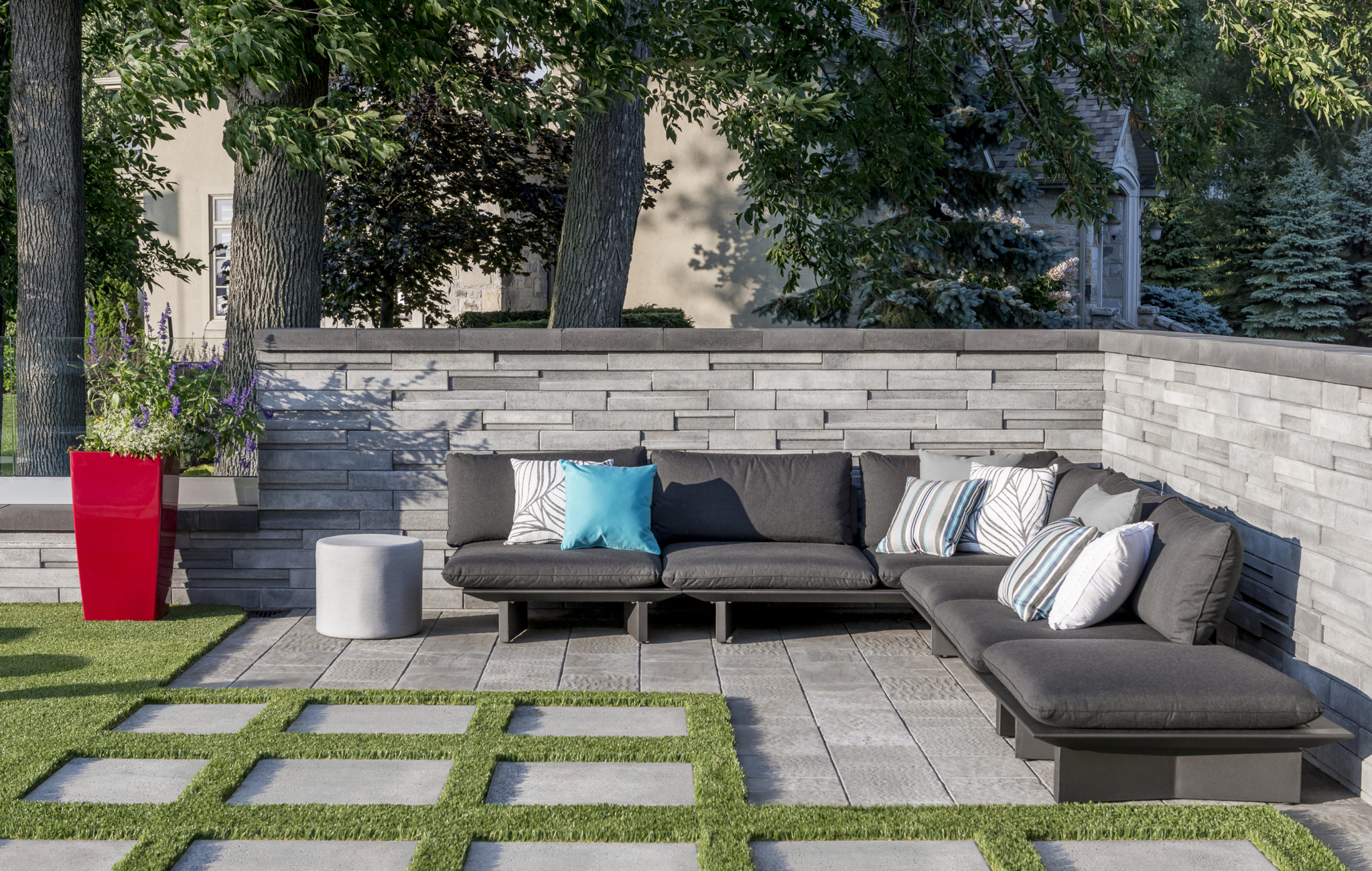
Large slab layouts are one of the most common backyard walkway designs for modern homes. Fewer joints create a more open appearance, which helps smaller backyards feel less busy. These layouts are commonly used near patios, pools, and outdoor dining areas because they create a smoother visual transition across the space.
3. Curved Garden Pathways
Curved layouts are popular pathway ideas in backyard landscaping because they soften movement through the yard and help the space feel more natural. These pathways work especially well around gardens, planting beds, and backyard corners where straight lines may feel too rigid.
4. Gravel and Stepping Stone Pathways
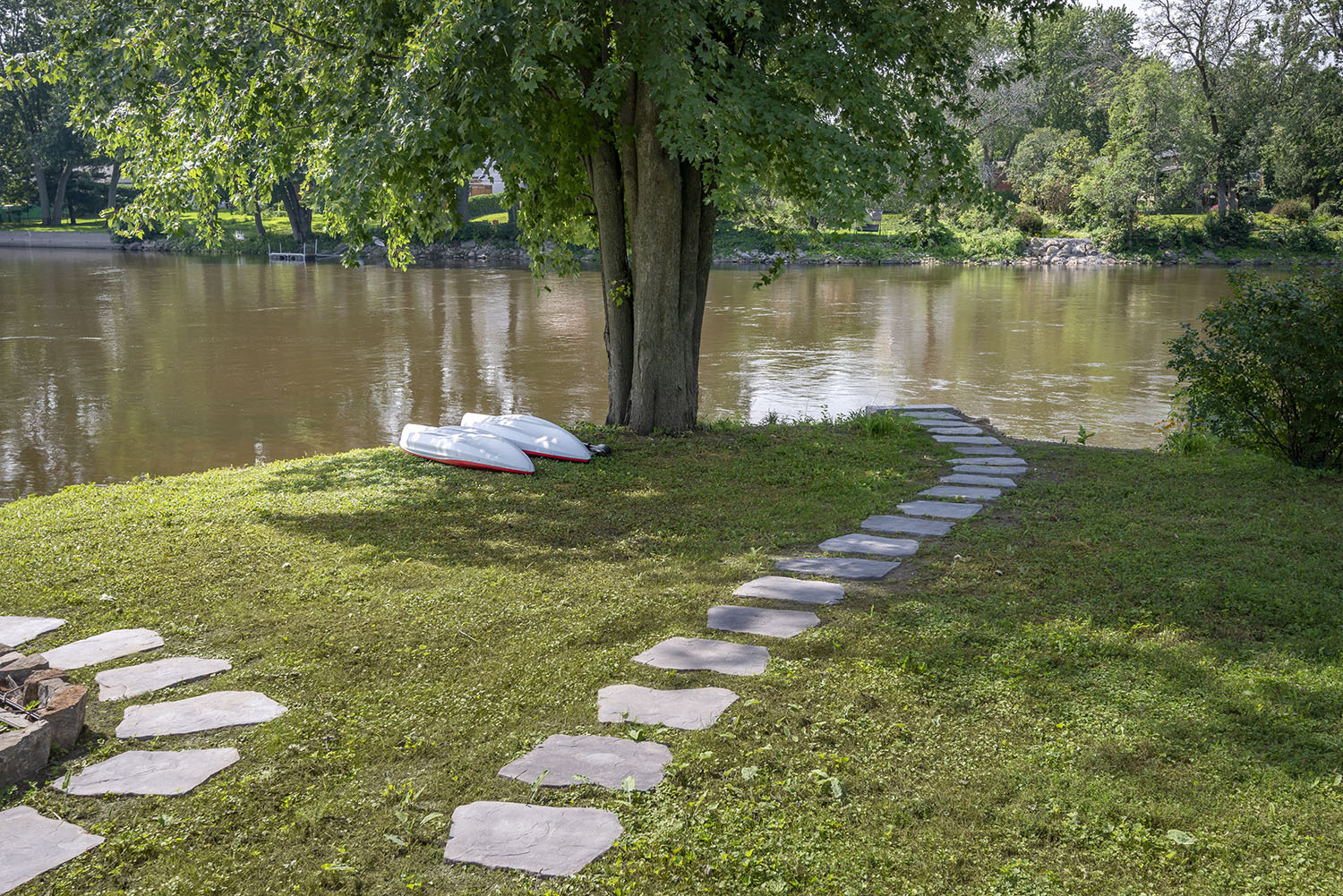
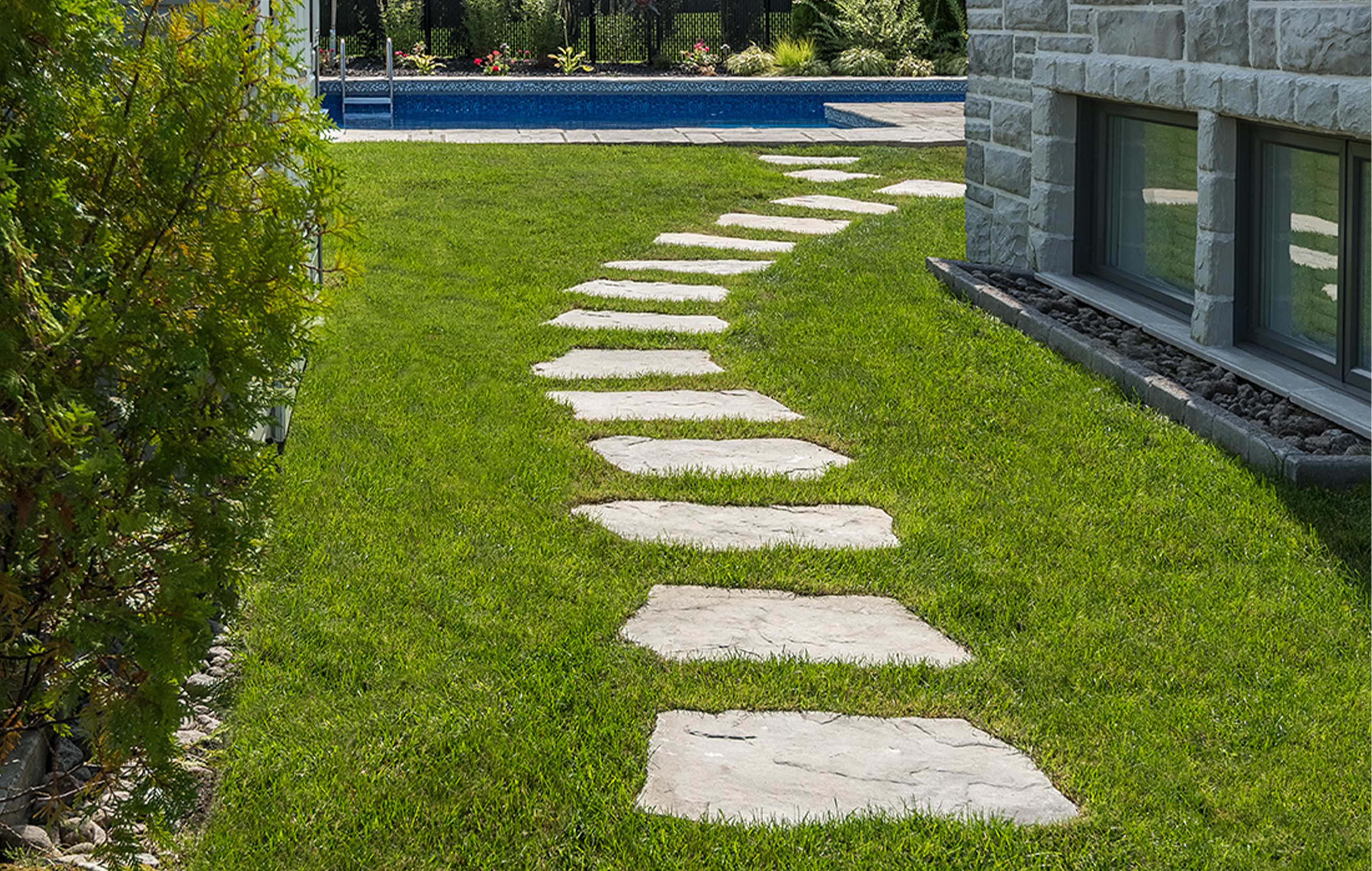
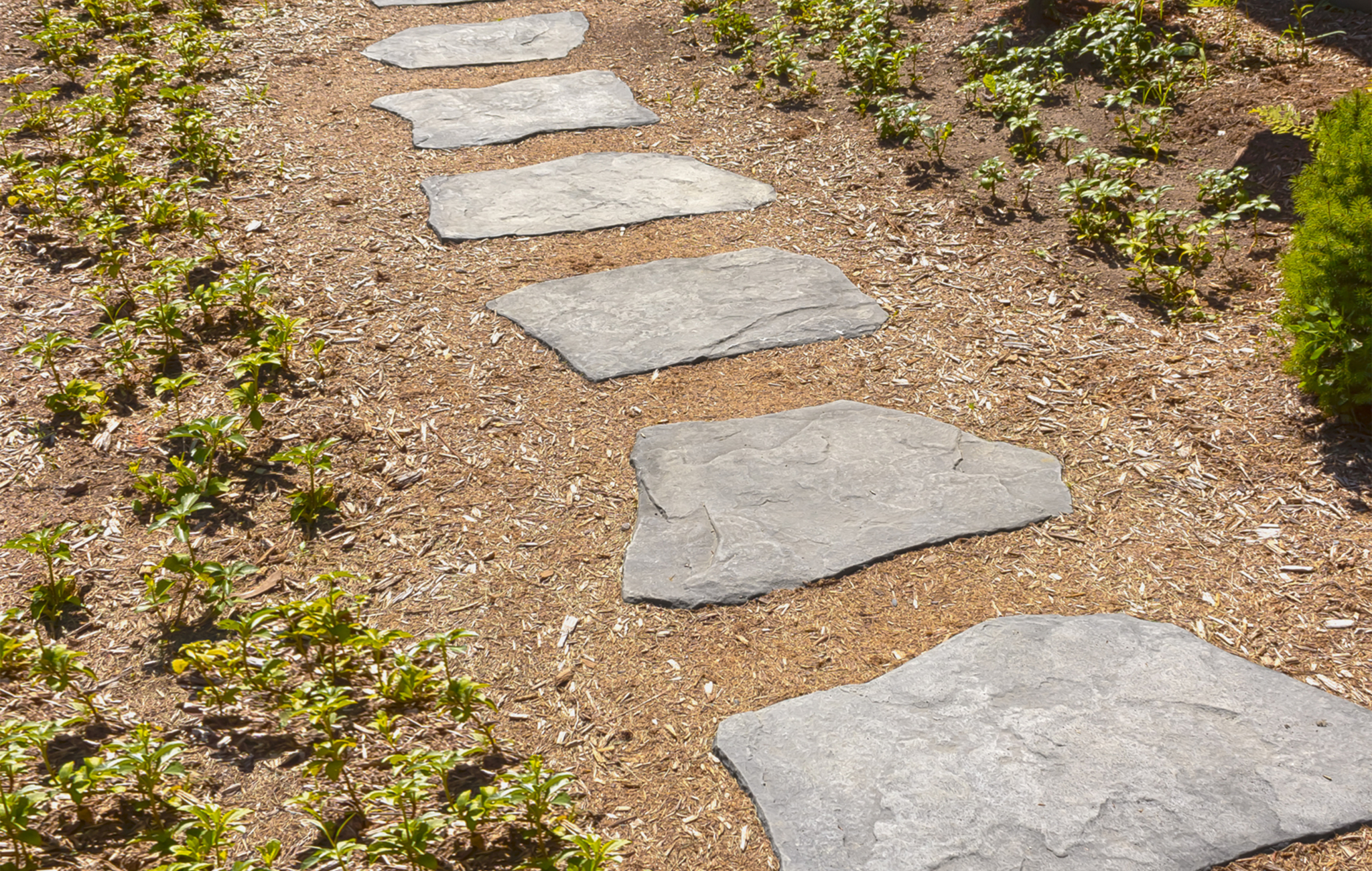
For homeowners searching for inexpensive backyard walkway ideas, gravel and stepping stone layouts are often a practical option. They usually require less material and can work well in casual backyard settings. Stepping stones also help create a relaxed and natural appearance without overcomplicating the design. Many homeowners use pathway stepping stones in smaller gardens or side-yard connections where a lighter layout feels more appropriate.
5. Light-Colored Backyard Walkways
Light-coloured materials are becoming more common in modern landscaping because they help brighten the backyard and create a cleaner overall appearance. This is one of the more effective backyard walkway ideas for smaller spaces because lighter surfaces can help the area feel more open.
6. Permeable Backyard Walkways
Permeable walkways are becoming more important in landscaping projects where drainage is a concern. These systems allow water to move through the surface instead of collecting on top. Homeowners looking for more environmentally conscious solutions often explore permeable pavers for backyard walkways, patios, and transition areas.
7. Backyard Walkways Around Patios and Pools
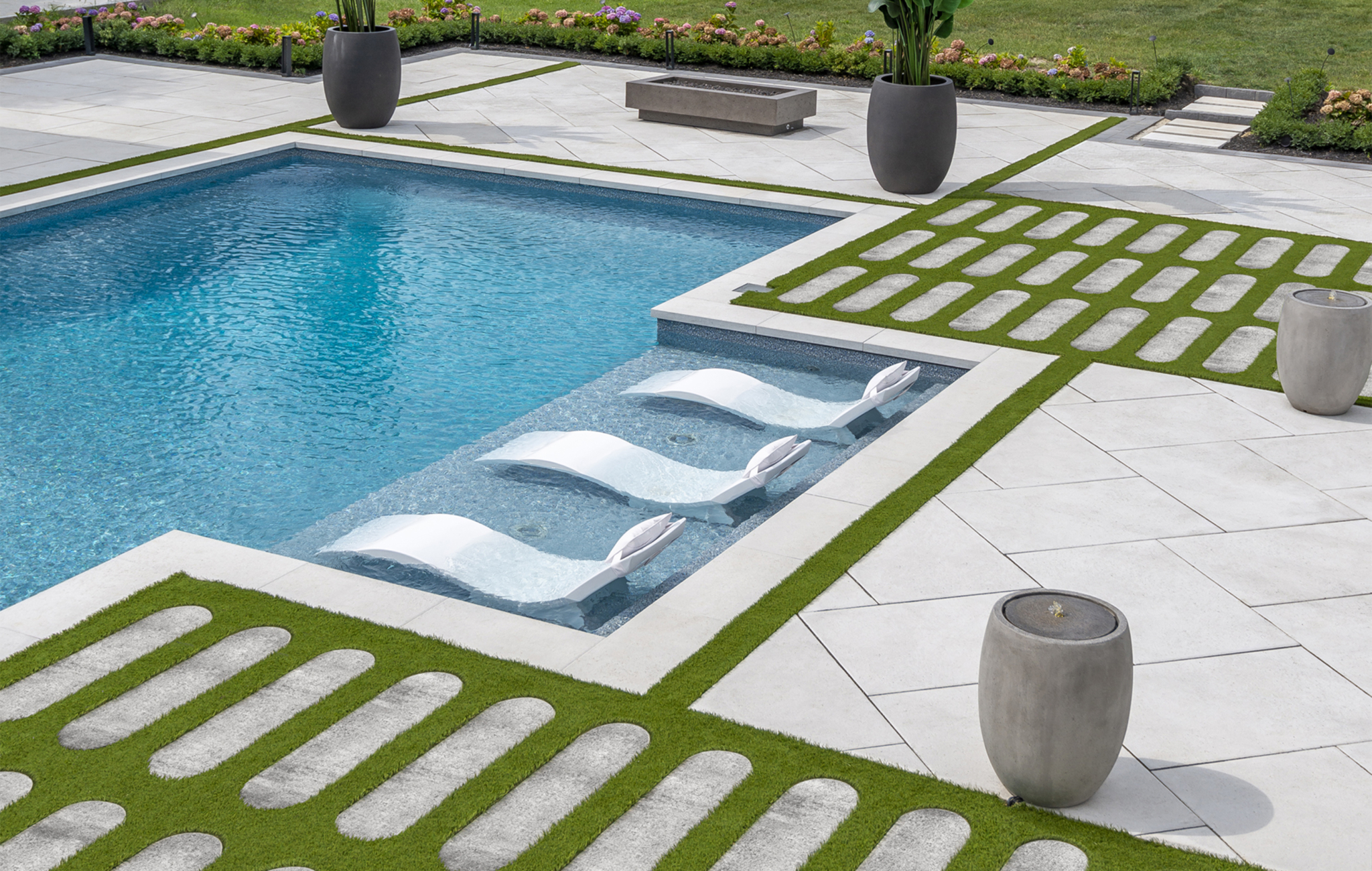
Walkways around patios and pools help connect different backyard sections while improving movement across the space. These layouts often combine slabs and pavers to create smoother transitions between gathering areas, seating zones, and pool decks. Many homeowners use concrete slabs near pools and patios because they create a cleaner and more spacious look.
8. Minimalist Backyard Walkway Designs
Simple layouts continue to be one of the most requested backyard walkway designs in modern landscaping. Straight lines, limited colour variation, and consistent spacing help create a cleaner overall layout without making the backyard feel overcrowded.
Best Materials for a Backyard Walkway
Material selection affects both the appearance and long-term performance of the walkway.
1. Concrete Slabs
Concrete slabs work well for homeowners looking for a cleaner and more open layout. They are especially common in contemporary landscaping because larger slab formats create fewer joints and help the space feel less busy. Many backyard walkway designs use slabs to create straight, organized pathways that connect patios, seating areas, and gardens naturally.
2. Concrete Pavers
Concrete pavers remain one of the most commonly used materials because they handle weather changes well and allow flexible layouts. They are widely used in modern backyard walkway projects because they come in different colours, sizes, and patterns that work with both traditional and contemporary landscapes. They are also easier to repair since individual pavers can be replaced without removing the full surface.
3. Permeable Pavers
Permeable pavers are useful in areas where water drainage needs to be managed more effectively. These pavers allow water to pass through the joints and into the base below instead of collecting on the surface. They are becoming more common in backyard pathway ideas where homeowners want better drainage without compromising the overall layout.
4. Gravel
Gravel is often used in more casual or natural backyard layouts because it creates a softer appearance and lower installation cost. It is also one of the more affordable options for homeowners searching for inexpensive backyard walkway ideas. Gravel pathways work especially well around gardens, side yards, and informal seating areas.
5. Pathway Stepping Stones
Stepping stones work well in garden areas and smaller pathways where a full hardscape surface may not be necessary. They help create a lighter, more natural transition through the backyard while still guiding movement clearly. Many homeowners use stepping stones as part of simple pathway ideas in backyard spaces where they want the landscape to feel more open and less structured.
One reason concrete products remain so popular in modern landscaping is because they provide:
- Better durability
- Consistent sizing and appearance
- Easier maintenance
- Cleaner layout options
- Long-term performance in changing weather conditions
Common Backyard Walkway Design Mistakes to Avoid
Even good-looking walkways can create problems later if the planning stage is rushed.
- Walkways That Are Too Narrow - A path that feels cramped becomes uncomfortable quickly, especially in frequently used areas.
- Ignoring Drainage- Water management problems can damage the surface and create uneven sections over time.
- Poor Material Selection- Not every material works for every backyard. Choosing materials based only on appearance often creates maintenance problems later.
- Overcomplicated Layouts - Some homeowners try to combine too many patterns, colours, or materials in one space. This usually makes the walkway feel cluttered instead of organized.
- Poor Lighting Planning- Without proper lighting, walkways become less functional at night and important sections of the backyard feel disconnected.
How to Choose the Right Backyard Walkway Layout?
Different properties require different walkway layouts.
- Small Backyards - Smaller spaces usually benefit from simpler layouts with fewer direction changes. Straight lines and lighter materials often help the area feel more open.
- Long Narrow Yards - Long pathways work best when broken visually with planting zones, lighting, or wider transition areas.
- Sloped Landscapes- Sloped backyards often require retaining features, gradual transitions, or stepped layouts to keep movement comfortable and safe.
- Open Backyard Layouts- Larger open spaces need walkways that help guide movement naturally between sections without leaving the yard feeling empty.
- Connecting Multiple Backyard Areas - One of the most effective ideas for walkway in backyard layouts is creating clear connections between patios, seating areas, gardens, and pools while maintaining a consistent material palette throughout the space.
Why Rinox Concrete Products Are Ideal for Backyard Walkways?
The materials used in a walkway affect how the backyard performs over time. Rinox concrete products are built to handle changing weather conditions while keeping the overall landscape clean, structured, and consistent across different backyard styles.
Homeowners choose Rinox products for backyard walkways because they offer:
- Durable concrete products built for long-term outdoor use
- Modern colours, textures, and finishes that work with different landscape styles
- Consistent sizing that helps create cleaner backyard walkway designs
- Flexible layout options for straight paths, curved walkways, and connecting outdoor areas
- Products suitable for patios, gardens, pool areas, and everyday backyard pathway ideas
- A wide selection of products including concrete pavers, patio slabs, stepping stones, permeable pavers, and concrete slabs
- 25-year warranty
- Reliable performance through freeze and thaw cycles common in Canadian climates
Whether you are building a simple garden path or a fully connected backyard walkway, choosing the right materials helps the entire landscape feel more organized and easier to maintain over time.
Conclusion
A well-designed backyard walkway does more than create a path. It helps organize the landscape, improves movement, and connects different areas of the backyard in a natural way. The best results usually come from keeping the layout simple, choosing materials carefully, and designing the walkway around how the backyard will actually be used. Whether you prefer modern slabs, concrete pavers, stepping stones, or curved garden pathways, the right design should feel connected to the rest of the landscape instead of standing apart from it.