
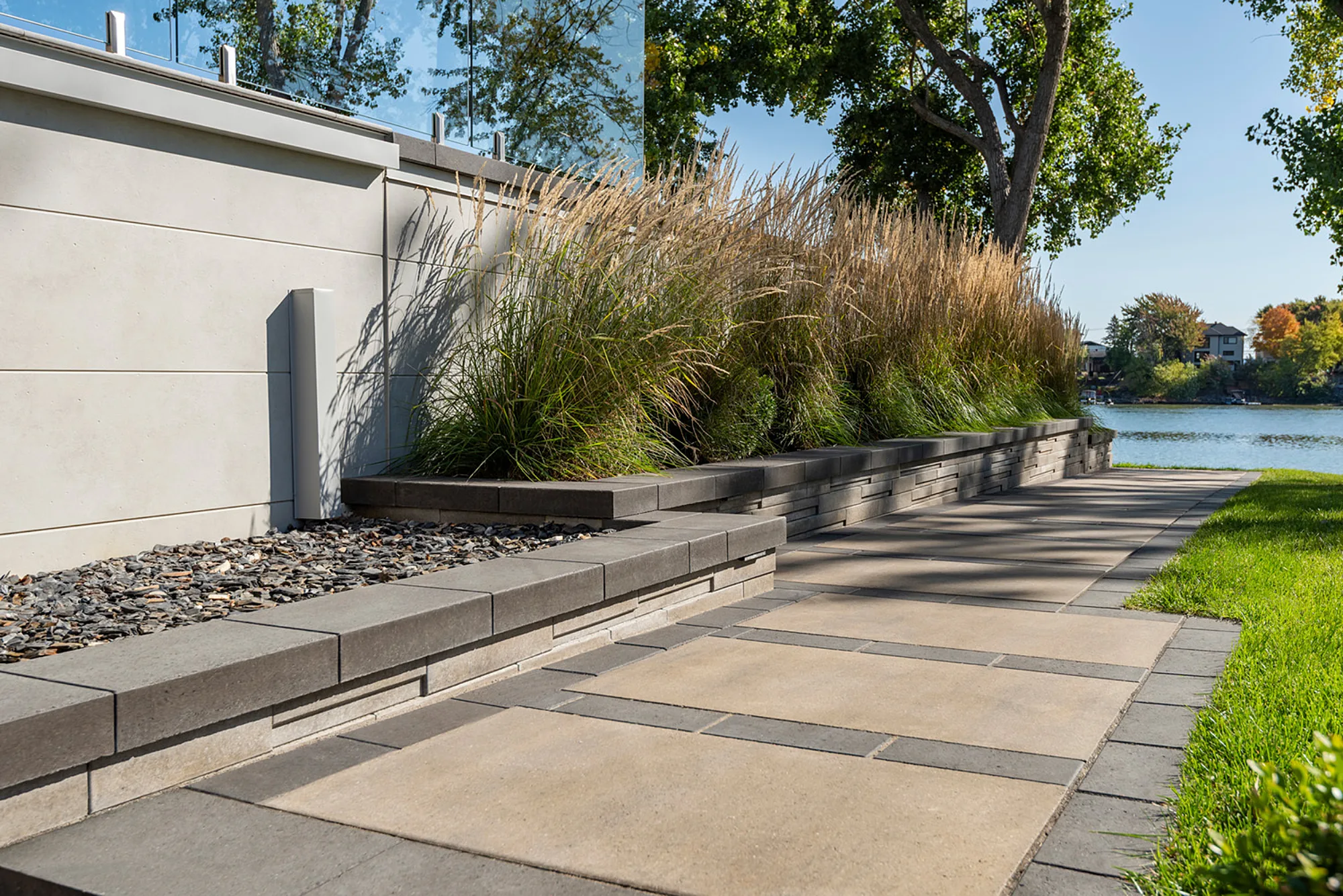
Retaining walls are built to do an important job. They hold back soil, help manage elevation changes, and create usable outdoor space on properties that would otherwise be difficult to landscape. When a retaining wall is built correctly, most homeowners rarely think about it. It simply does its job year after year. Problems usually start when drainage is overlooked, the base is not prepared properly, or the wall is not designed for the amount of pressure it needs to handle. In many cases, small warning signs appear long before a major issue develops. Understanding the most common retaining wall problems can help you spot potential concerns early and avoid costly repairs later. In this guide, we'll look at the issues homeowners encounter most often, what causes them, and how to prevent them.
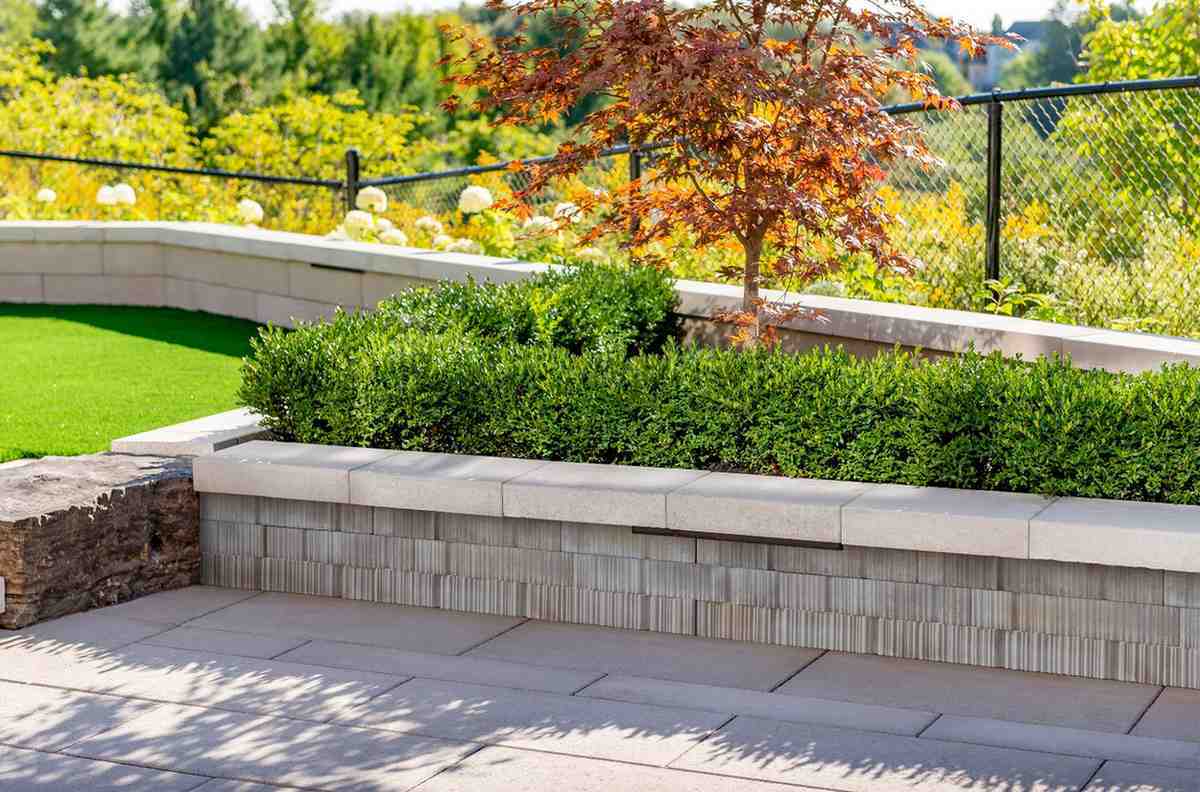
Why Retaining Wall Problems Happen?
Most retaining wall issues are not caused by the wall itself. They are usually the result of what is happening behind or beneath the wall. A retaining wall is constantly exposed to soil pressure, moisture, seasonal temperature changes, and ground movement. If the wall is not properly supported or drained, these forces can gradually create problems over time.
Some of the most common causes include:
- Poor drainage behind the wall
- Inadequate base preparation
- Improper installation techniques
- Excessive water buildup
- Soil movement and erosion
- Using the wrong retaining wall system for the application
The good news is that many of these problems can be avoided with proper planning and installation from the beginning.
Retaining Walls Drainage Problems
One of the most common retaining walls drainage problems involves water becoming trapped behind the wall. When water cannot escape properly, pressure begins to build within the soil. This pressure, often called hydrostatic pressure, places additional force on the retaining wall. Over time, this can lead to movement, cracking, or structural failure.
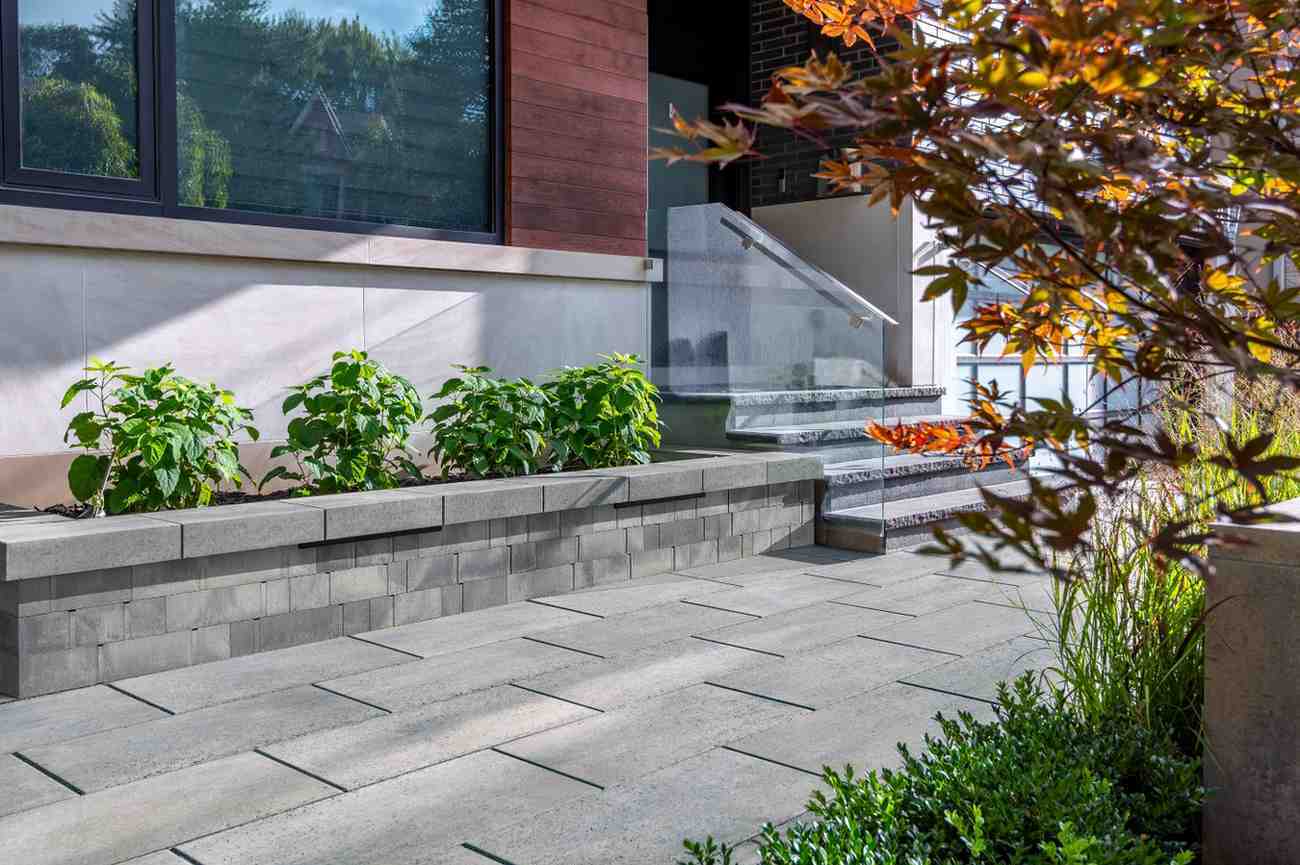
Signs of drainage problems may include:
- Water collecting behind the wall
- Wet spots near the base
- Soil movement
- Staining on the wall surface
- Sections of the wall beginning to shift
Proper drainage stone, drain pipes, and backfill materials play a major role in preventing these issues. A retaining wall should not only hold back soil but also allow water to move away from the structure efficiently.
Retaining Wall Leaking Water: What It Means
Many homeowners become concerned when they notice a retaining wall leaking water, but not every situation indicates a problem. In some cases, water flowing through drainage openings or joints simply means the drainage system is working as intended. The wall is allowing excess moisture to escape rather than trapping it behind the structure. However, if water is consistently appearing in large amounts or creating erosion around the wall, it may indicate:
- Inadequate drainage design
- Blocked drainage systems
- Excessive water accumulation
- Poor grading around the property
If water is escaping in unexpected locations, it is worth investigating before it leads to larger retaining wall problems.
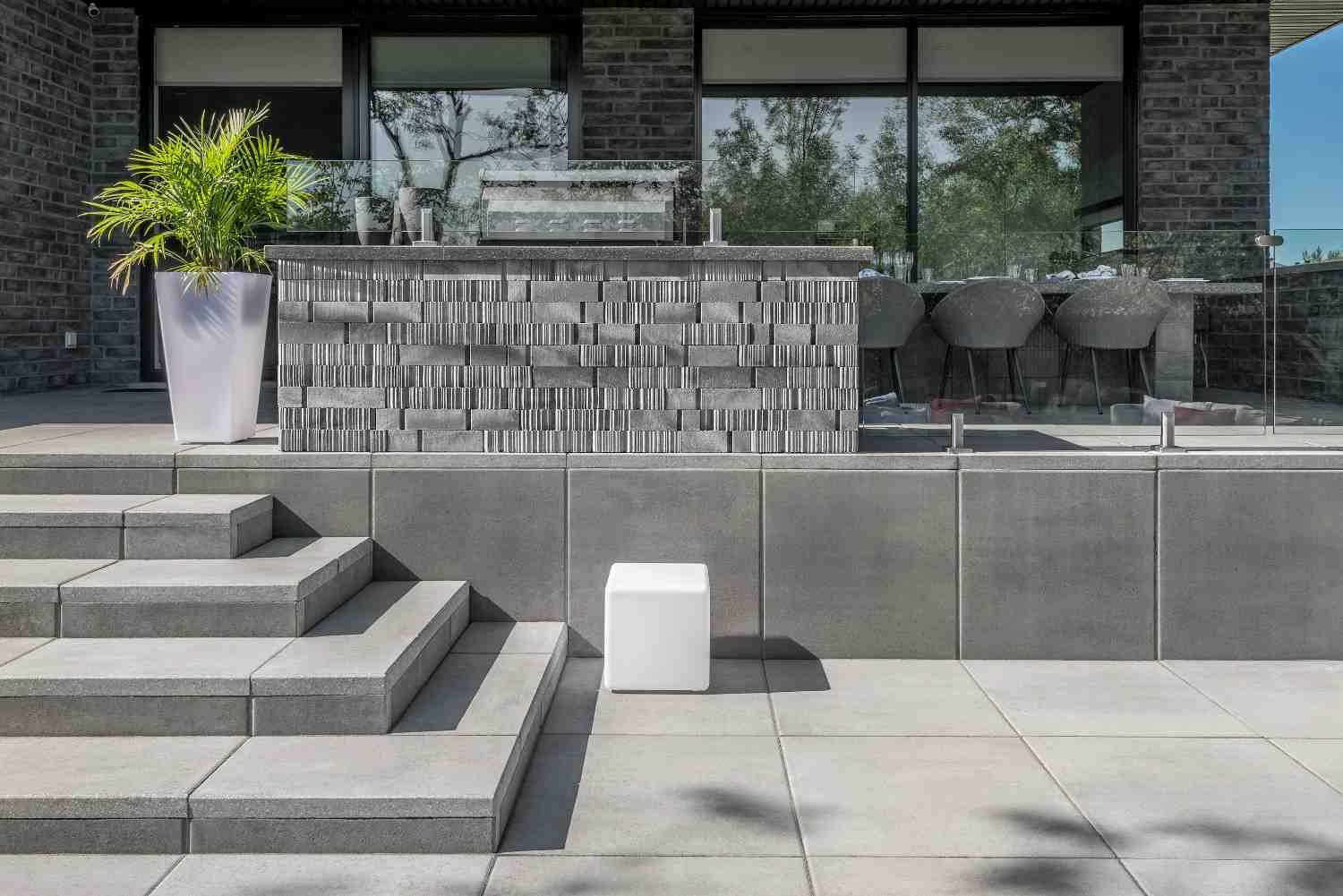
Water Seeping Under a Retaining Wall
Another issue homeowners occasionally notice is water seeping under retaining wall sections. This often occurs when water follows the path of least resistance beneath the structure. While the problem may seem minor at first, it can eventually affect the stability of the wall.
Common causes include:
- Poor drainage conditions
- Improper grading
- Erosion beneath the base
- Water flowing toward the wall instead of away from it
Over time, water moving under the wall can wash away supporting material and create uneven settlement. Addressing drainage concerns early is usually the best way to prevent more serious repairs later.
Retaining Wall Leaking Dirt Through Joints
If you notice soil appearing on the face of the wall, you may be dealing with a retaining wall leaking dirt issue. This usually happens when fine soil particles begin moving through joints or gaps in the wall system. In many cases, excessive water movement is the root cause.
Possible reasons include:
- Missing filter fabric
- Improper backfill materials
- Drainage failures
- Soil erosion behind the wall
While a small amount of material movement may not seem significant, continuous soil loss can eventually reduce support behind the wall and create larger structural concerns.
Crack in Retaining Wall: When Should You Be Concerned?
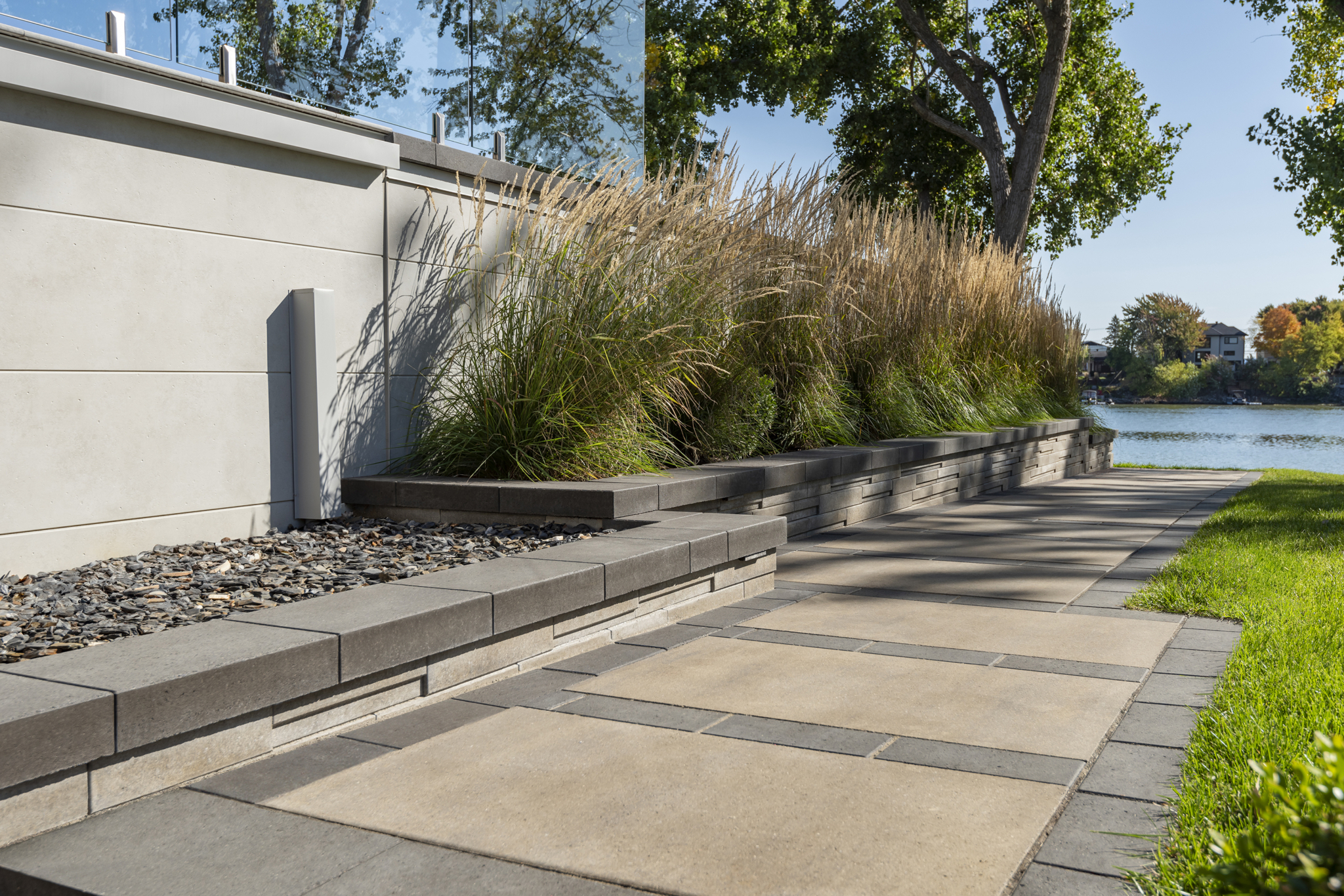
Finding a crack in retaining wall sections often causes immediate concern, but not all cracks indicate serious damage. Small surface cracks can sometimes occur naturally as materials settle or age. These minor cracks are often cosmetic and may not affect performance. However, larger cracks should be taken more seriously.
Warning signs include:
- Cracks that continue to widen
- Visible separation between sections
- Uneven movement
- Leaning portions of the wall
When cracks appear alongside other symptoms such as drainage problems or movement, it is important to investigate the cause rather than simply repairing the visible damage.
Retaining Wall Bowing and Bulging

Among all common retaining wall problems, retaining wall bowing is one of the most serious. A retaining wall should remain straight and stable. If the wall begins leaning outward, developing a curved appearance, or bulging in the middle, excessive pressure is often building behind it.
Several factors can contribute to bowing:
- Poor drainage
- Excessive soil pressure
- Inadequate reinforcement
- Improper installation
- Weak foundation support
Signs to watch for include:
- Forward leaning sections
- Bulging areas
- Separation between blocks
- Uneven wall alignment
Addressing bowing early can help prevent complete wall failure and more extensive repairs.
How to Prevent Common Retaining Wall Problems?
The best way to avoid costly repairs is to prevent problems before they start. Most retaining wall problems and solutions come back to proper design, quality materials, and correct installation practices.
Important steps include:
- Preparing a strong, compacted base
- Installing proper drainage systems
- Using suitable backfill materials
- Managing water flow around the property
- Selecting the right retaining wall system
- Following manufacturer installation guidelines
Taking shortcuts during installation often leads to problems later. Investing time and effort at the beginning usually results in a more stable and reliable wall for years to come.
Why Concrete Retaining Walls Are a Reliable Long-Term Solution?
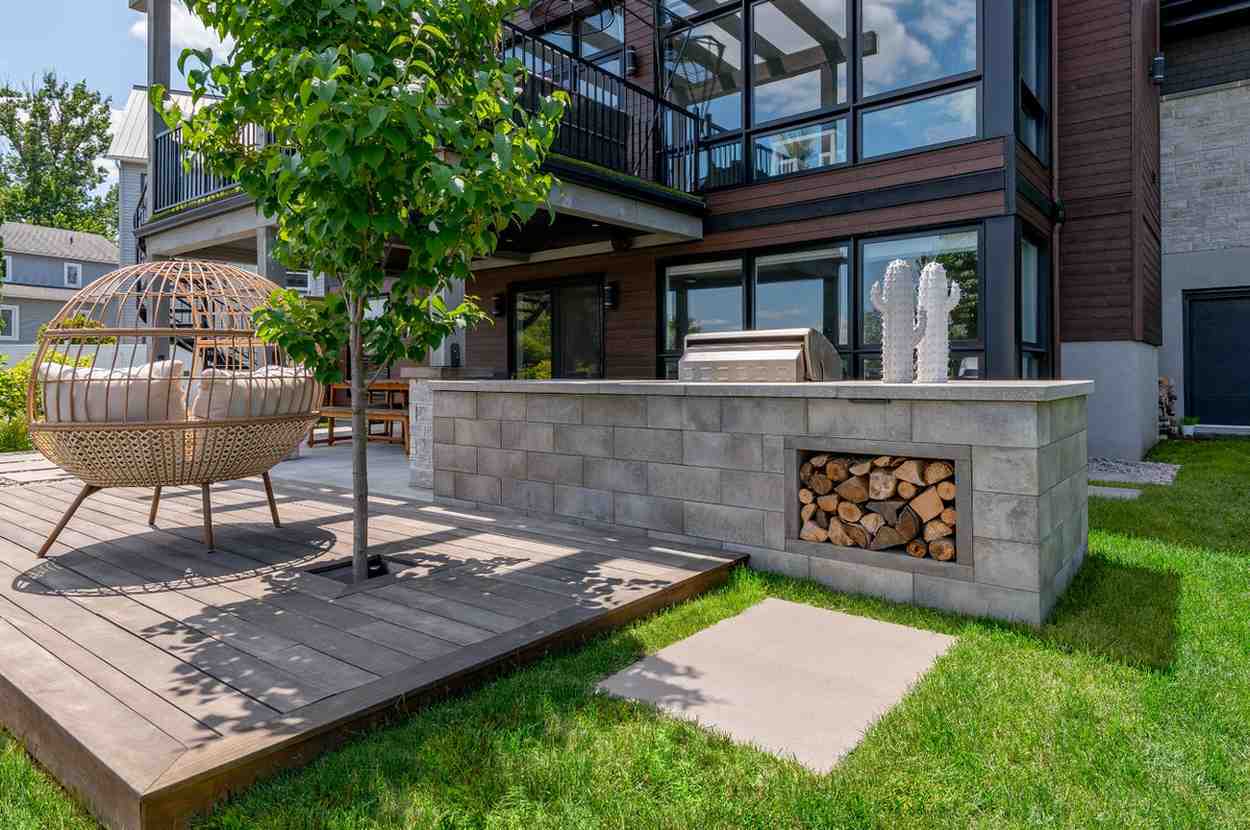
Material selection plays a major role in the long-term performance of a retaining wall. Choosing quality Concrete Retaining Walls can help prevent many of the issues discussed throughout this guide while providing long-lasting structural support.
Homeowners and contractors often choose Concrete Retaining Walls because they offer:
Important steps include:
- Strong structural performance for managing soil pressure and elevation changes
- Better resistance to weather exposure and seasonal freeze-thaw cycles
- Reliable drainage support when installed with the proper base and backfill materials
- Consistent sizing and manufacturing quality for a more stable installation
- Suitable solutions for garden walls, raised landscapes, slopes, and larger retaining wall projects
- Multiple styles, textures, and colours that work with both modern and traditional landscape designs
- Lower long-term maintenance requirements compared to many alternatives retaining wall materials
- Proven durability for both residential and commercial landscaping applications
Rinox offers a complete range of Concrete Retaining Walls designed to deliver both structural reliability and design flexibility for outdoor projects of all sizes.
Warning Signs Your Retaining Wall Needs Attention
Many retaining wall failures do not happen overnight. There are often warning signs that appear well before significant damage occurs.
Watch for:
- Water leaking through unexpected areas
- Soil washing out behind the wall
- Cracks that continue to grow
- Bowing or leaning sections
- Standing water near the structure
- Uneven settlement
- Separation between wall units
Identifying these signs early allows repairs to be made before more extensive work becomes necessary.
Conclusion
Most retaining wall problems can be traced back to drainage issues, poor installation practices, or inadequate support behind the wall. While some concerns may start small, ignoring them often allows the problem to become more expensive over time. A properly built retaining wall should manage soil pressure, control water movement, and remain stable through changing weather conditions. By paying attention to drainage, selecting quality materials, and following proper installation methods, homeowners can avoid many common retaining wall issues before they occur. For projects that require long-term performance and dependable structural support, choosing a professionally engineered concrete retaining wall system is one of the smartest decisions you can make.