
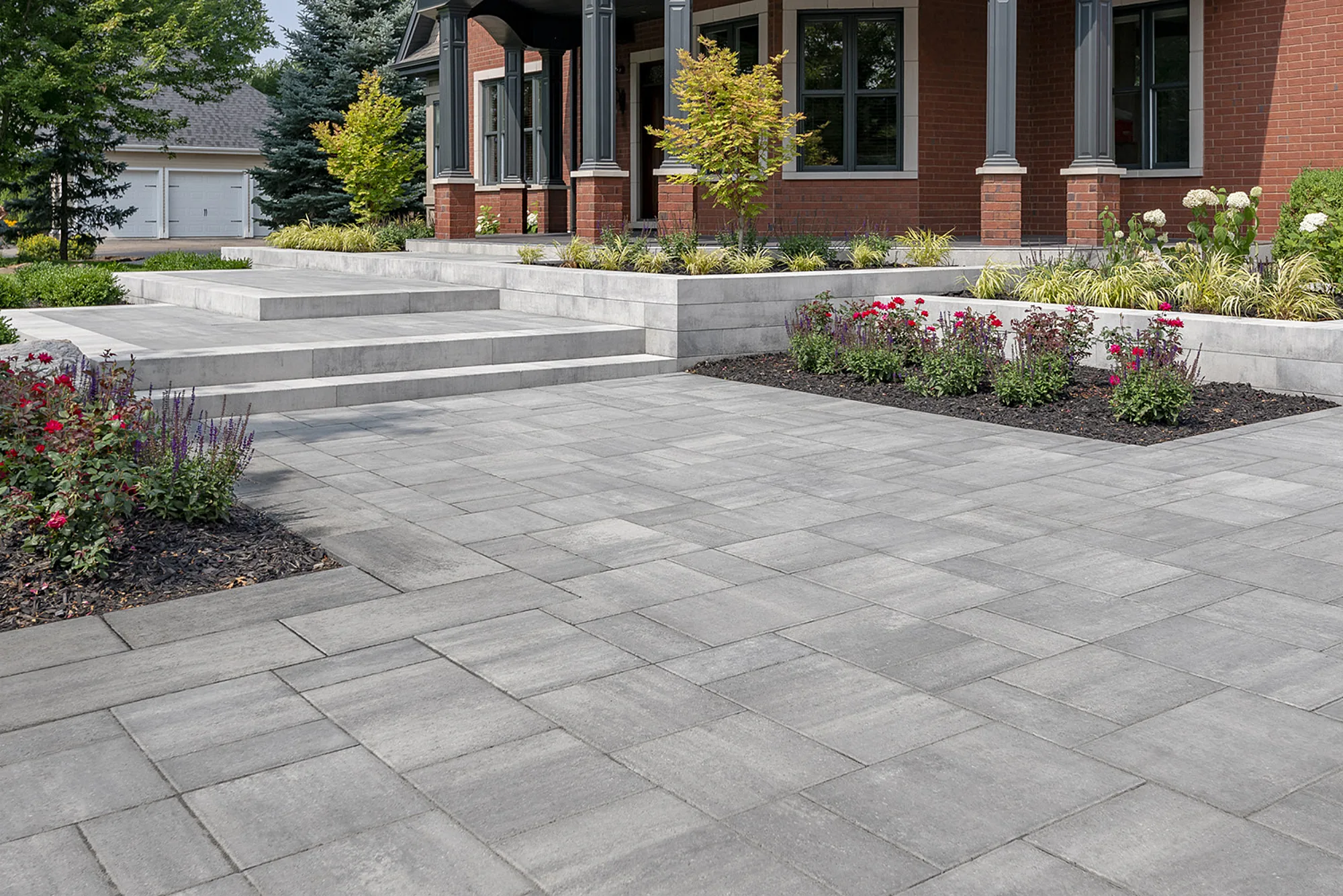
Homeowners who want a dependable outdoor surface usually compare porcelain pavers vs concrete pavers before making a final decision. Both materials are used across patios, walkways, pool decks, and modern backyard projects. Each option can look clean once installed, yet the long term performance and day to day usage feel very different.
This guide breaks down the key differences so you can decide which surface works best for your home. The goal is to give a fair comparison while helping you understand why many homeowners still prefer concrete pavers for most outdoor projects.
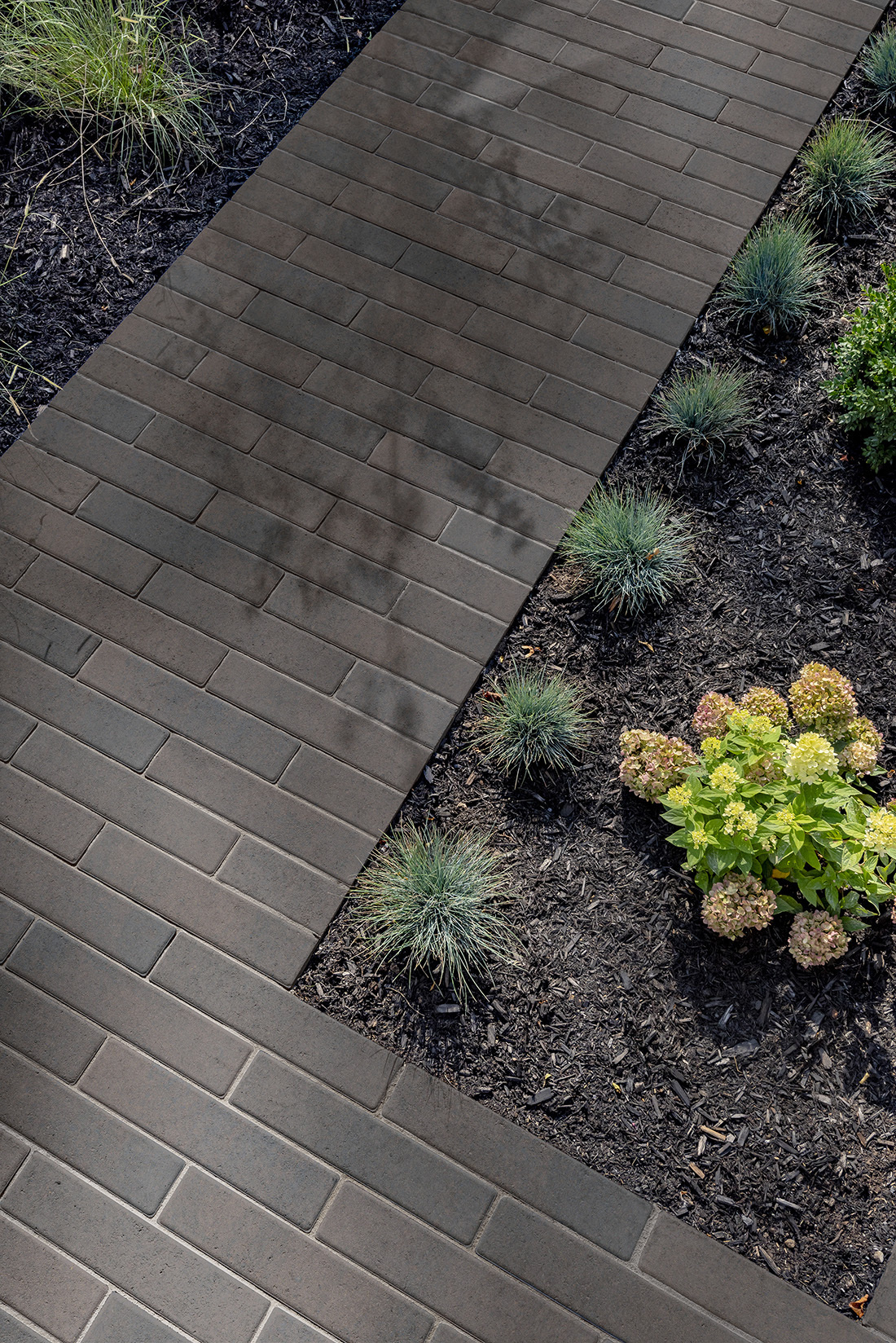
Porcelain Vs Concrete Pavers: What’s the Difference?
People often search for concrete pavers vs porcelain pavers because both materials can give a modern look. The difference starts with how they are made. Porcelain pavers are manufactured from refined clay fired at high temperatures. Concrete pavers are created by mixing cement, sand, aggregates, and color pigments.
The material difference changes everything from scratch resistance to installation requirements. Porcelain pavers feel very hard and smooth. Concrete pavers offer more texture and better grip. Porcelain is light and thin. Concrete is dense and strong.
These differences make each material work better in certain places and not as well in others.
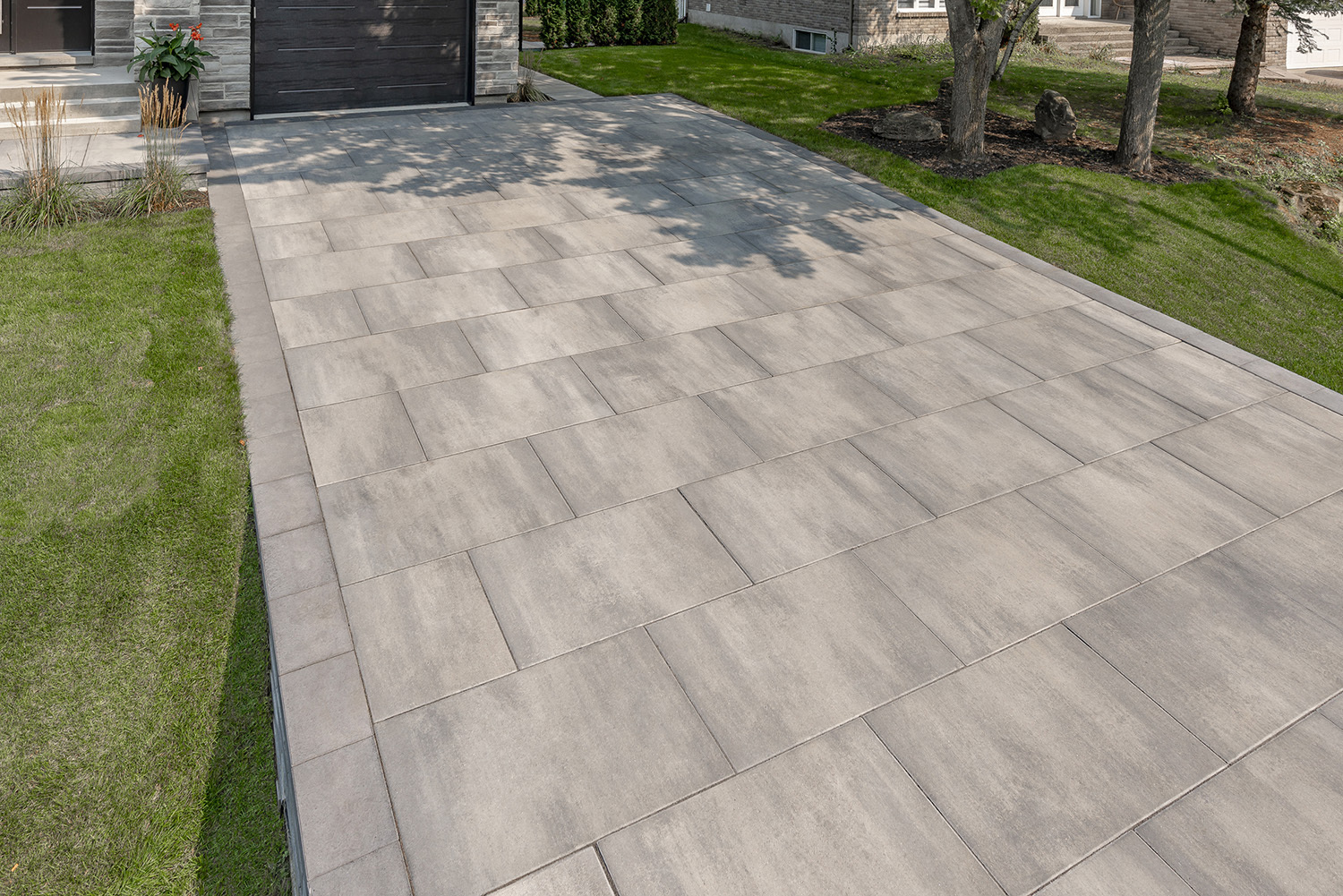
Concrete Vs Porcelain Pavers: Quick Comparison
| Feature | Concrete Pavers | Porcelain Pavers |
|---|---|---|
| Weight and Strength | Thicker, heavier, strong for patios, walkways, and driveways | Thin, lightweight, not suitable for driveways |
| Slip Resistance | Textured surface provides reliable traction | Smooth surface but can feel slippery when wet |
| Installation | Flexible installation methods and easy adjustments | Requires strict base preparation and careful cutting |
| Repair | Easy to lift and replace individual units | Repairs are difficult due to the thin structure |
| Cost | More affordable overall | Higher cost for material and installation |
| Cutting and Customization | Needs special tools and adapts to custom layouts | Needs special tools and experienced installers |
| Best Use Cases | Patios, walkways, steps, pool decks, driveways | Small patios, decks, decorative areas, low-traffic zones |
1. Durability
Durability is the biggest point in the porcelain paver vs concrete paver discussion. Homeowners want something that stays stable after years of foot traffic and seasonal changes.
Concrete Pavers: Built for High Traffic
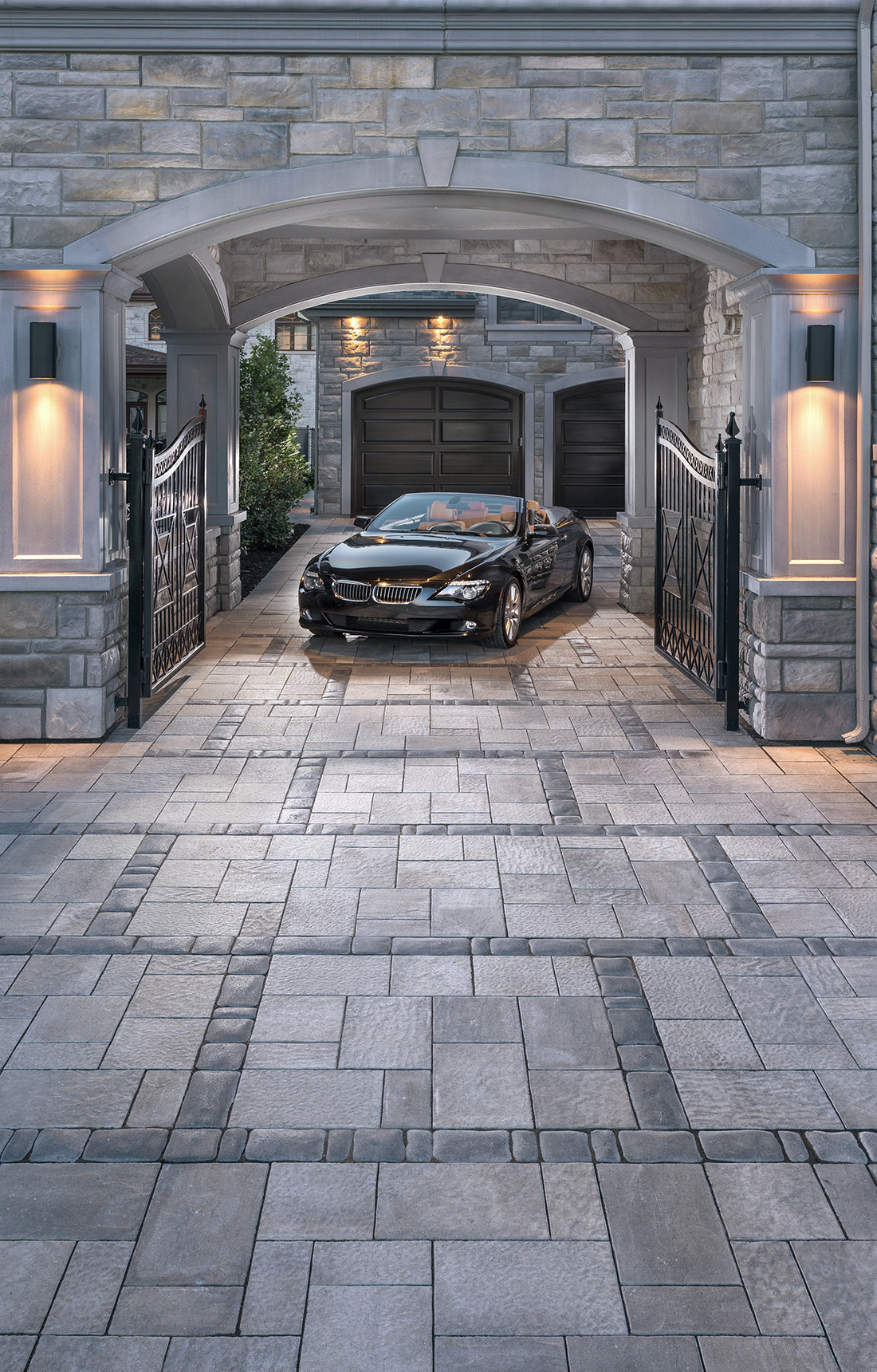
Concrete pavers have a thicker structure that handles weight well. You can use them for patios, walkways, pool decks, and even driveways. Their density helps them sit firmly on the base, and they distribute weight evenly.
If one unit chips after many years, you can replace only that piece. This helps maintain the original look without redoing the entire surface.
Porcelain Pavers: Hard but Brittle
Porcelain is extremely hard on the surface, which makes it resistant to scratches. At the same time, its thin structure can make it brittle under heavy weight. Porcelain pavers are not recommended for driveways and may snap if not installed perfectly.
In terms of overall strength and long term use, concrete pavers offer more reliability.
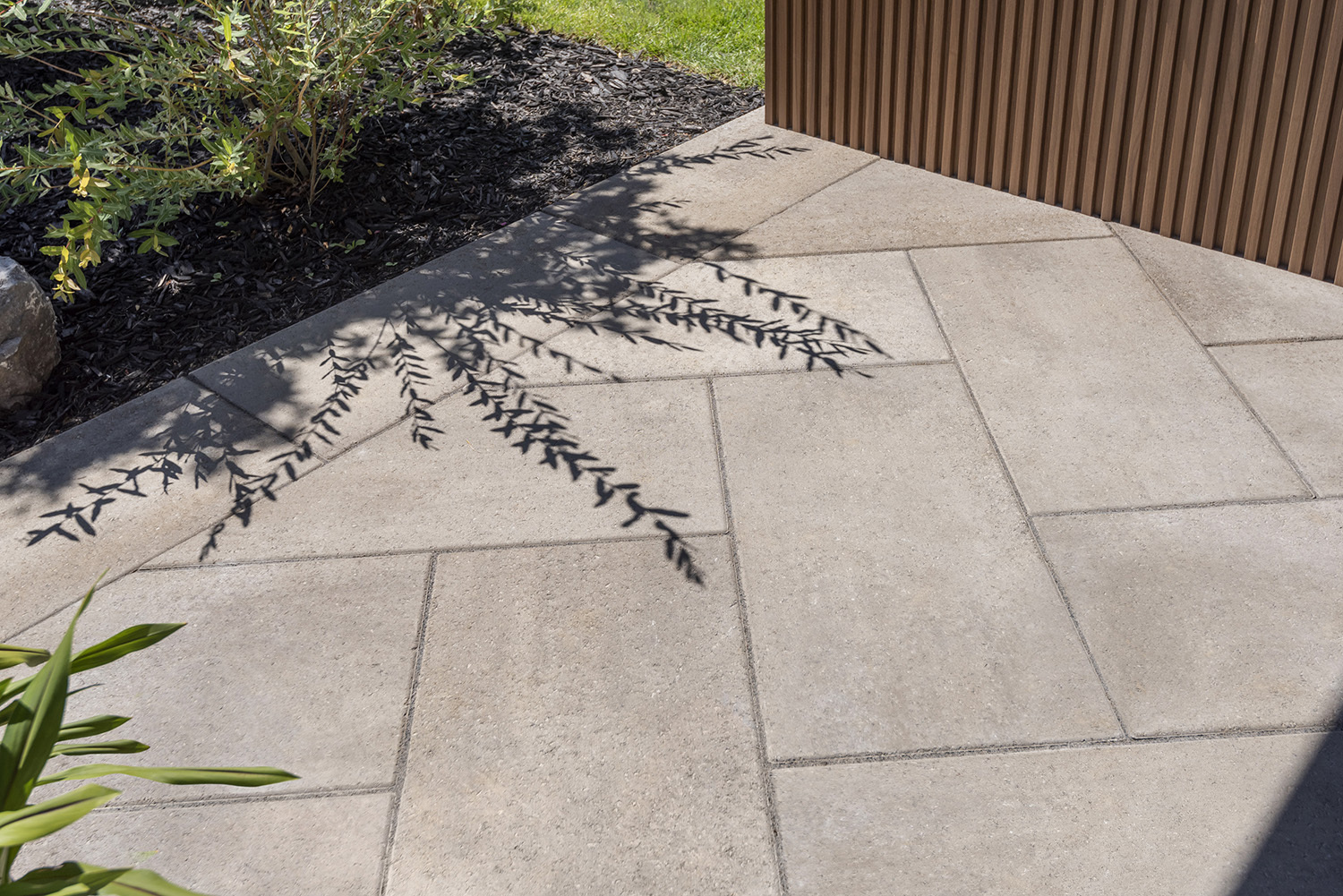
2. Installation Differences
Many people choose materials based only on appearance. Yet the real difference between porcelain pavers vs concrete pavers shows up during installation.
Concrete Pavers: More Flexible and Installer Friendly
Concrete pavers are easier to adjust, cut, and install. They can be set on a sand base, mortar, or other common methods. Installers can solve small leveling issues on site without slowing down the job.
The weight of concrete helps keep the pavers stable even if the ground moves slightly over the years.
Porcelain Pavers: Require Perfect Base Preparation
Porcelain pavers demand a very precise installation surface. If the base is uneven, porcelain can crack under pressure. Cutting porcelain requires a special blade and extra time.
Any installation challenge increases labor cost. Homeowners sometimes pay more simply because porcelain slows down the installation process.
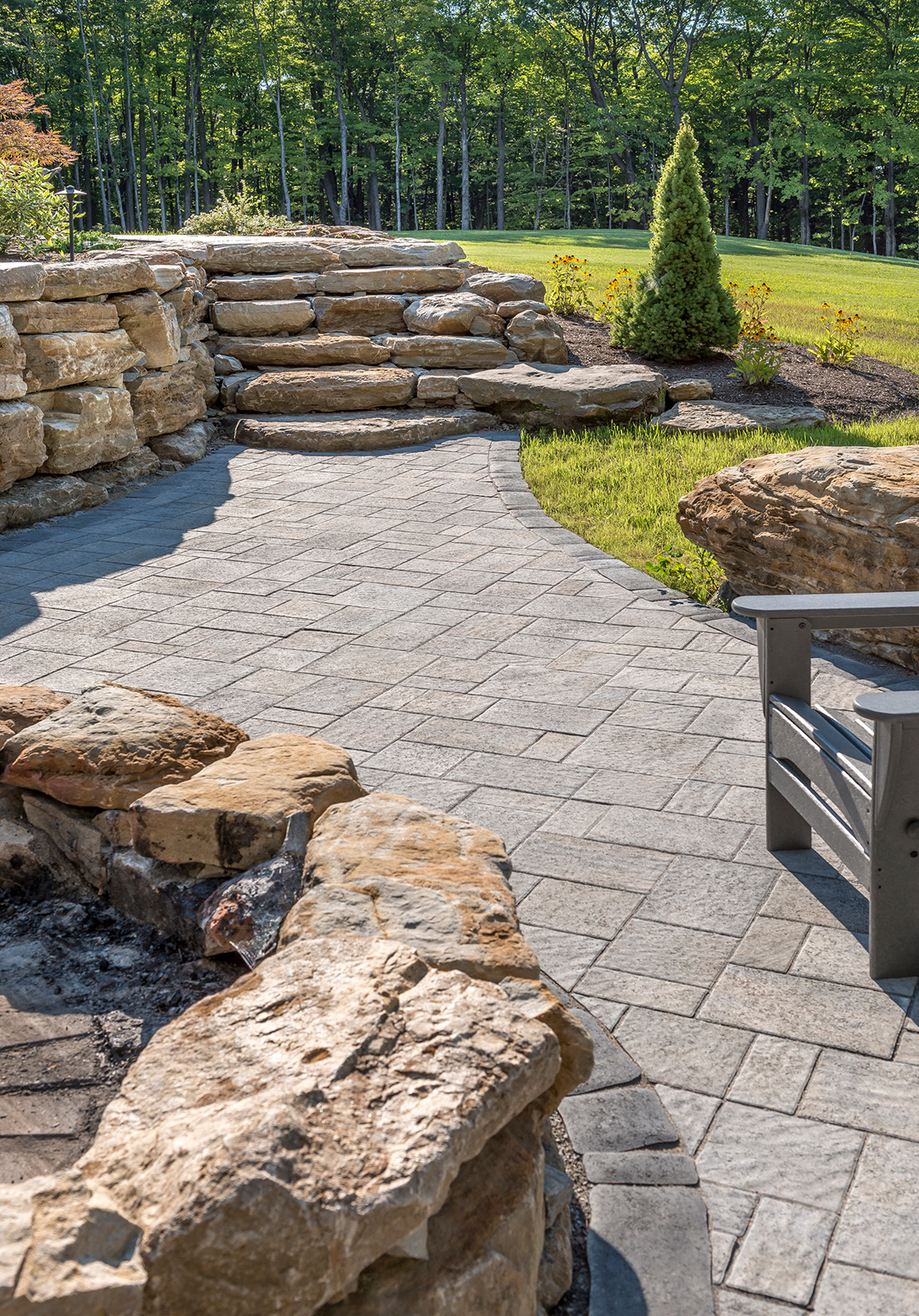
3. Surface Grip and Everyday Safety
Once installed, surface comfort and safety matter more than appearance. This is where many people discover the practical benefits of concrete pavers.
Concrete Pavers: Naturally Better Grip
Concrete pavers usually come with surface textures that improve traction. This works well for pool decks, walkways, and patios used by families. Concrete tends to remain steady under wet conditions.
Porcelain Pavers: Smooth but Slippery
Porcelain often has a smoother surface. Some types come with anti slip ratings, yet many still feel slippery when water collects on the surface. This is why porcelain is rarely recommended around pools or heavy foot traffic areas.
If your backyard has kids, elderly family members, or a pool, concrete pavers are usually the safer option.
4. Design and Custom Layout Options
A common question in the concrete vs porcelain pavers comparison is which material gives more design freedom.
Concrete Pavers: More Shapes, Textures, and Layout Possibilities
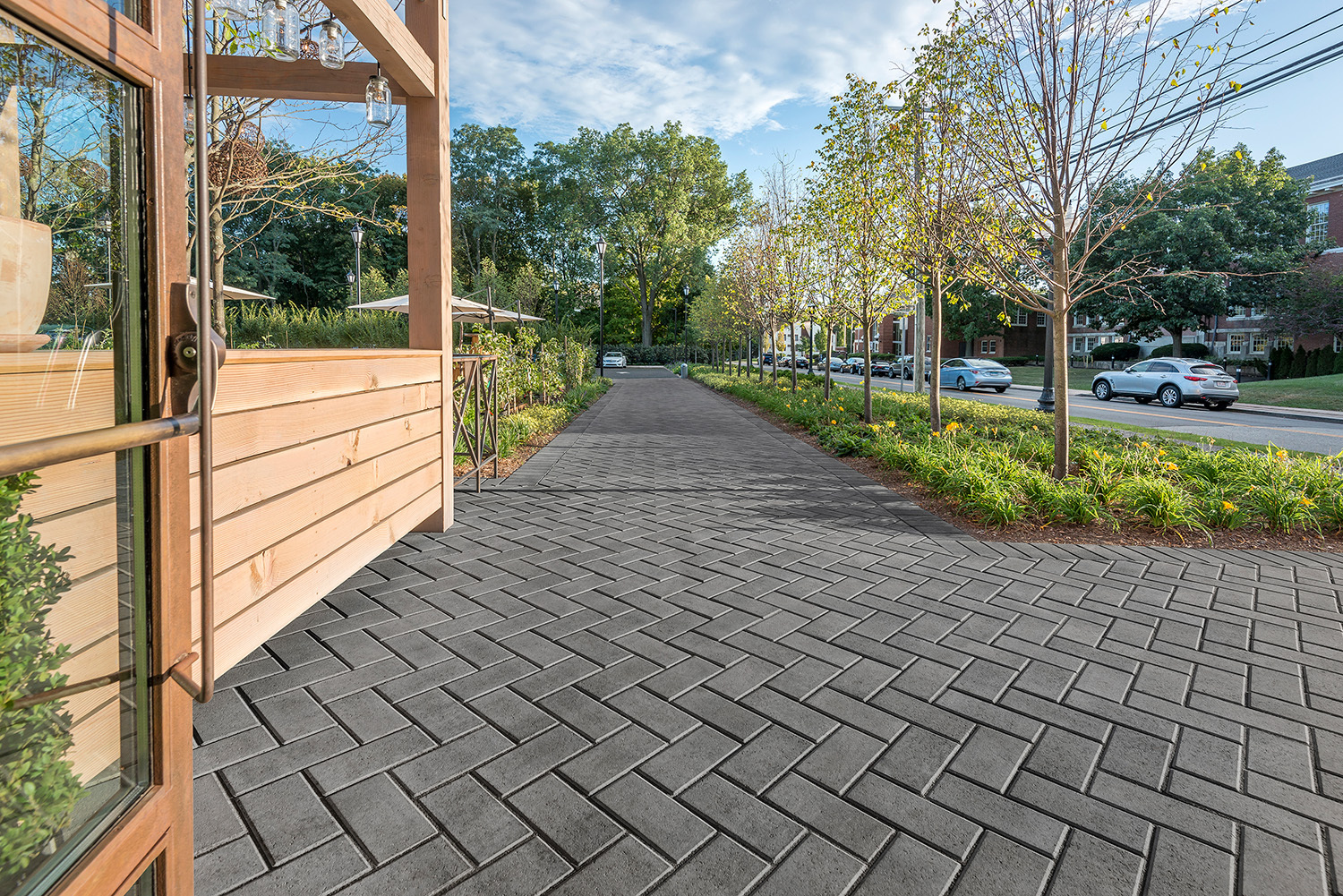
Concrete pavers come in small, medium, and large sizes. They also come in many textures such as smooth, split face, and lightly textured finishes. This allows homeowners to create custom borders, patterns, and curved pathways.
Brands like Rinox offer concrete pavers that match modern patios, garden walkways, pool decks, and retaining wall designs. You can mix colors, add borders, or match the pavers with steps and wall systems for a cohesive look.
Porcelain Pavers: Limited Sizes and Layout Options
Porcelain pavers usually come in large square or rectangular slabs. While they look sleek, they limit layout flexibility. You cannot create curved pathways easily. Borders require extra cutting. Matching accessories like steps and wall caps may not always be available.
If your landscape design needs custom shaping, concrete pavers give you more control.
5. Maintenance and Long Term Care
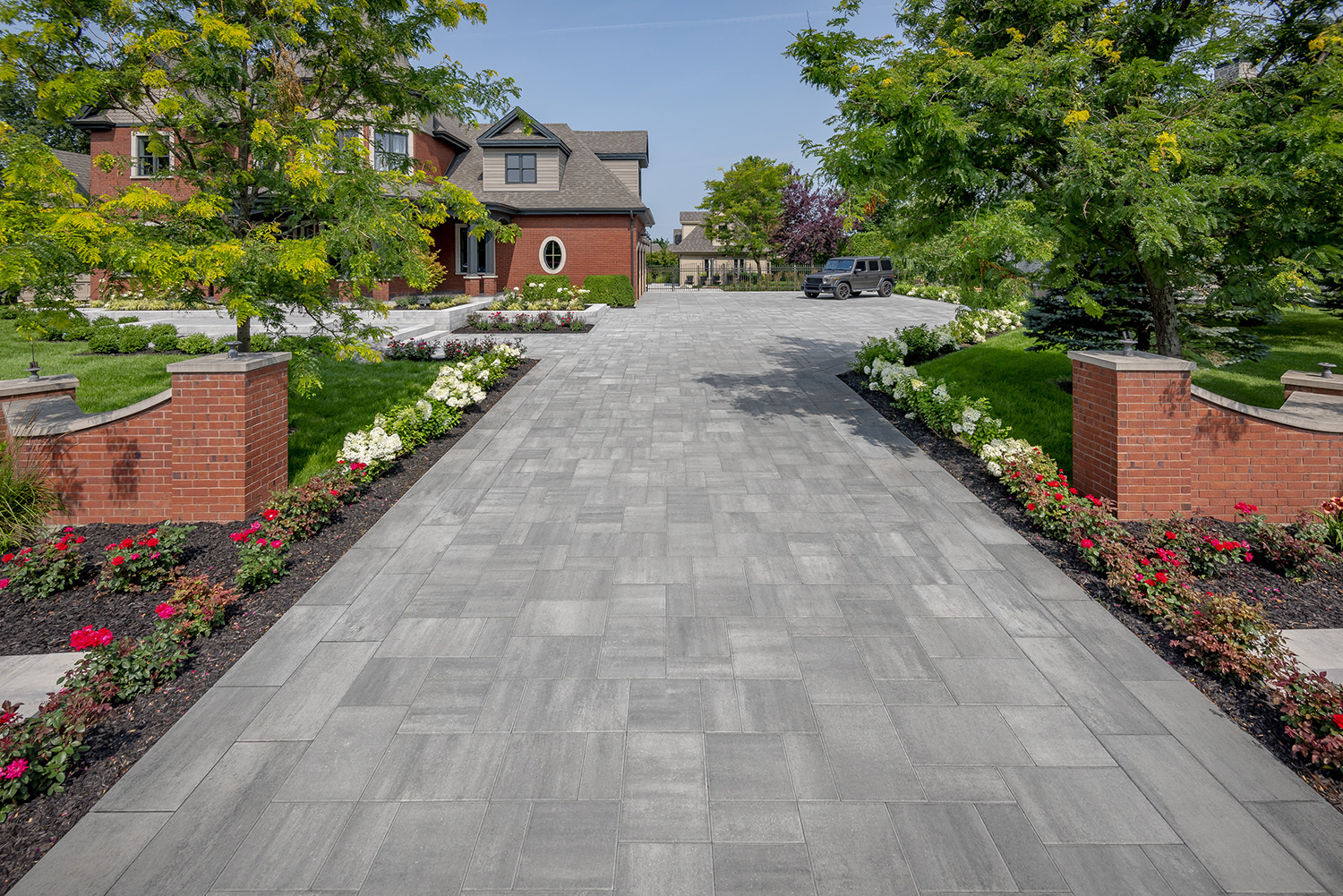
Maintenance often decides whether a material continues to look good after several years.
Concrete Pavers: Easy to Maintain and Repair
Concrete pavers can be cleaned with normal outdoor cleaners. They may need sealing depending on the product, but sealing also protects the surface from stains.
Porcelain Pavers: Low Maintenance but Hard to Fix
Porcelain does not absorb moisture, so it resists staining. However, if it cracks, replacing it is complicated. Porcelain also shows dirt and leaves more visibly due to its smooth surface.
For most homeowners who want a surface that can be restored quickly, concrete pavers feel more practical.
6. Cost Differences
Material cost and installation cost are major factors in the porcelain paver vs concrete paver decision.
Concrete Pavers:
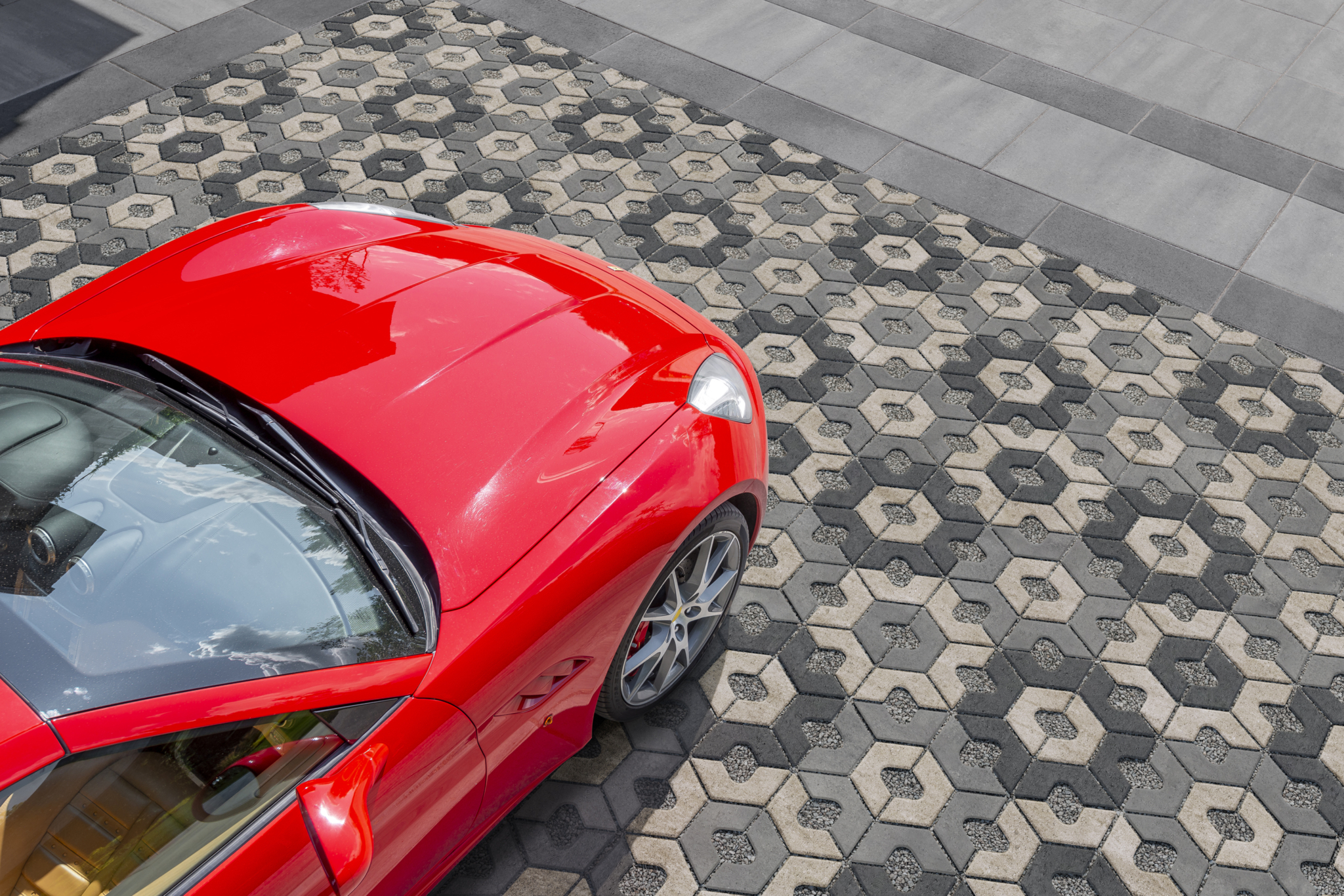
Concrete pavers are more affordable to buy and install. The installation process is faster, and repairs cost much less. For large projects, concrete provides better value.
Porcelain Pavers:
Porcelain costs more per unit. Cutting, handling, and installation require more time and specialized tools, which increases labor cost.
If you want a premium look and do not mind the price, porcelain is an option. However concrete offers better overall value for most outdoor projects.
Which One Should You Choose?
Both products work well in certain situations. Porcelain is stylish and works for small decorative patios. Concrete is also stylish as well as stronger choice for everyday use.
Choose porcelain pavers if:
- You want a clean, modern slab look
- The area will not handle heavy weight
- The project is small and decorative
- You prefer a low maintenance surface
- The installation is not located near a pool or water feature
Choose concrete pavers if:
- You want a durable surface for patios and walkways
- You need strong material that lasts for more than 25 years
- You want better traction around pools
- You need many shapes and layout choices
- You want easier future repairs
- You prefer better overall value
Most homeowners find concrete pavers more practical, reliable, and comfortable for real outdoor living.