
What Is Interlocking Pavement and How It Works?
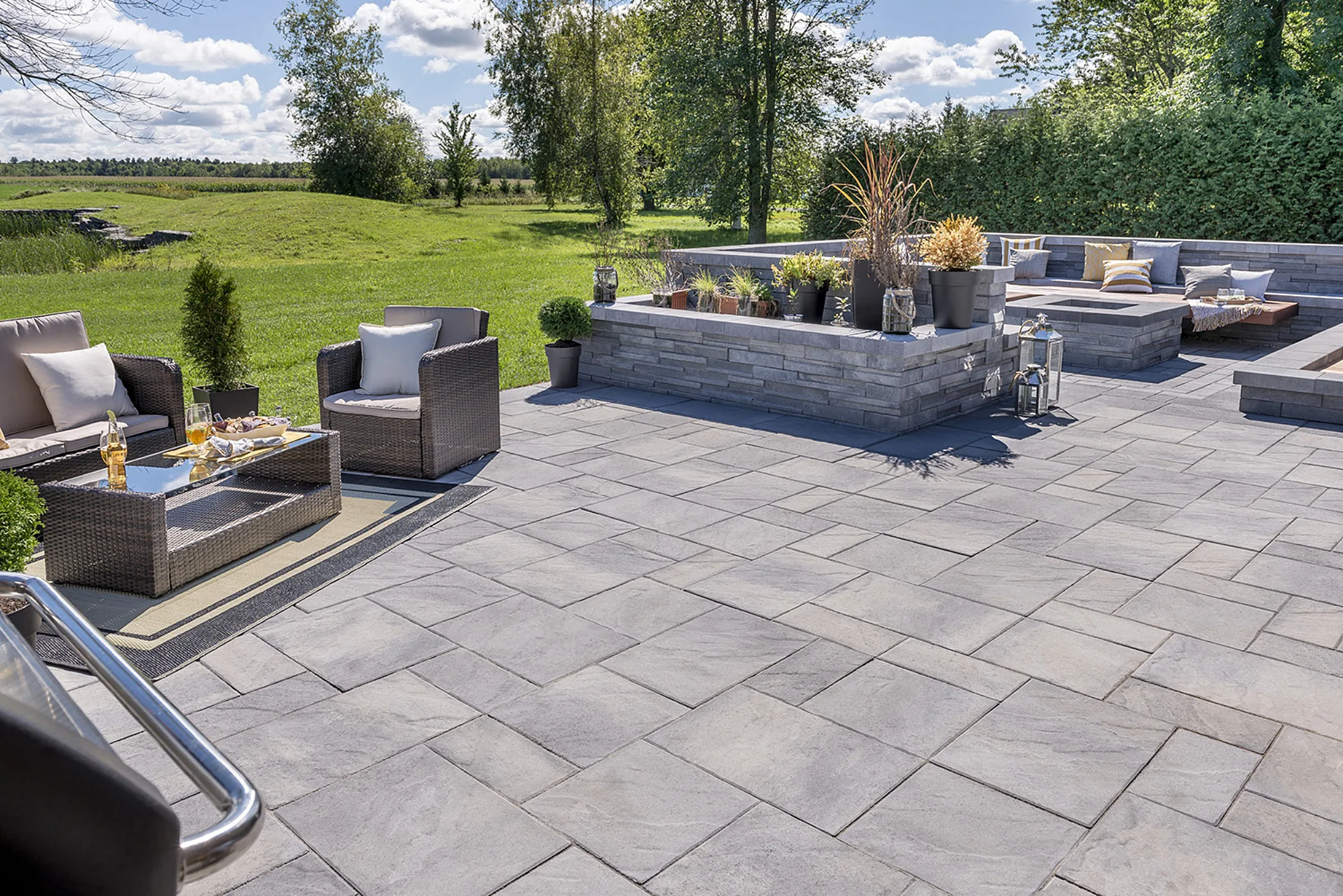
Interlocking pavement is a surface made using individual units placed together in a way that they lock into position. Instead of pouring a single slab, this system uses separate pieces that work together as one surface. In most cases, these are interlocking concrete pavement units or interlock paving block systems designed to fit tightly with one another.
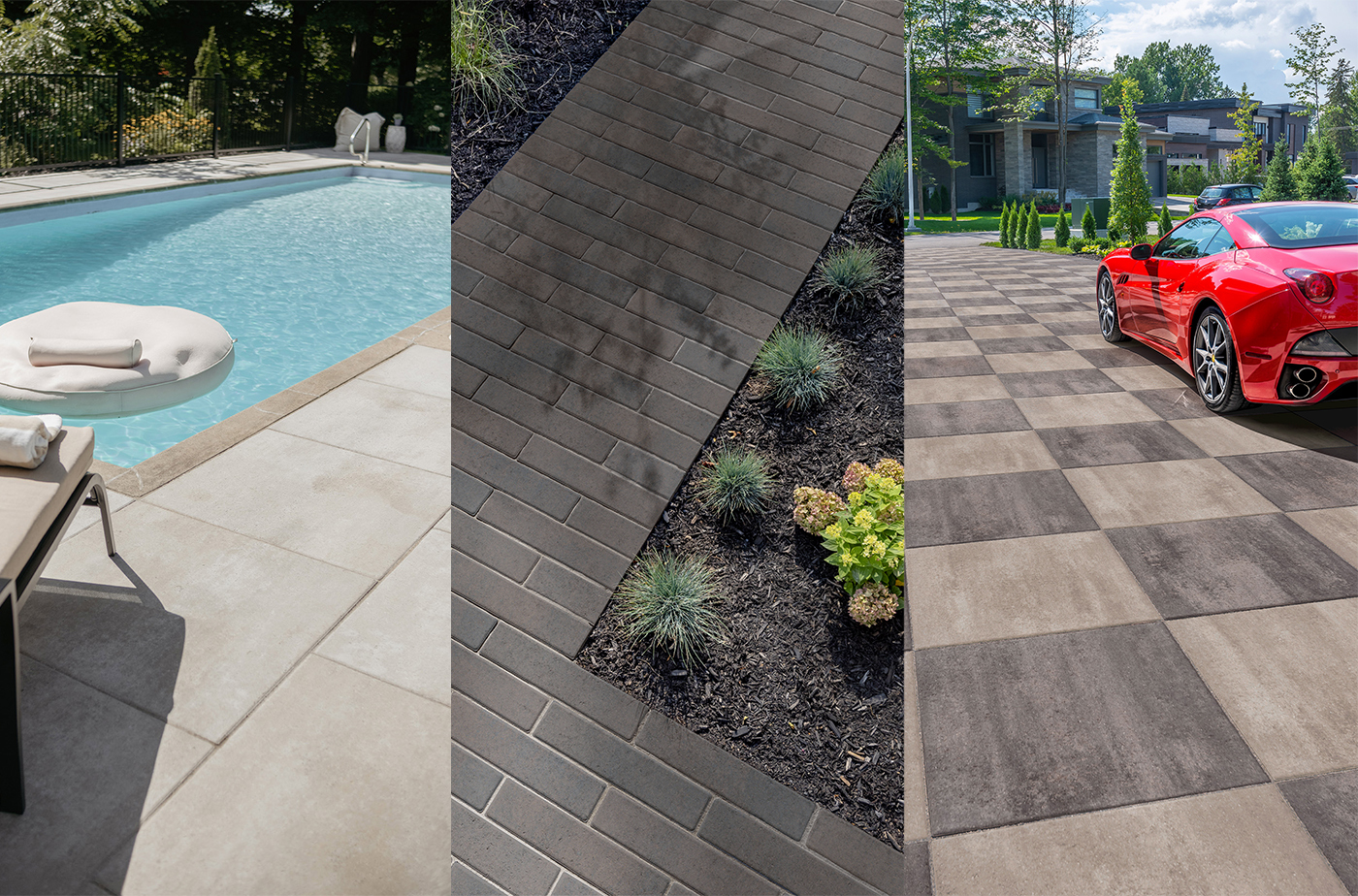
The structure works in layers:
- A compacted base supports the load
- A bedding layer helps level the surface
- The pavers are placed and locked together
- Joint sand fills the gaps and holds everything in place
This setup allows the surface to handle movement without cracking the way a solid slab might
You’ll typically see interlocking pavement used in:
- Driveways
- Patios
- Walkways
It’s a system that combines structure with flexibility, which is why it’s widely used in residential landscaping.
Types of Interlocking Paving Stones Used in Landscaping
There are different types of interlocking paving stones, and the choice depends on how the space will be used and the kind of layout you’re aiming for.
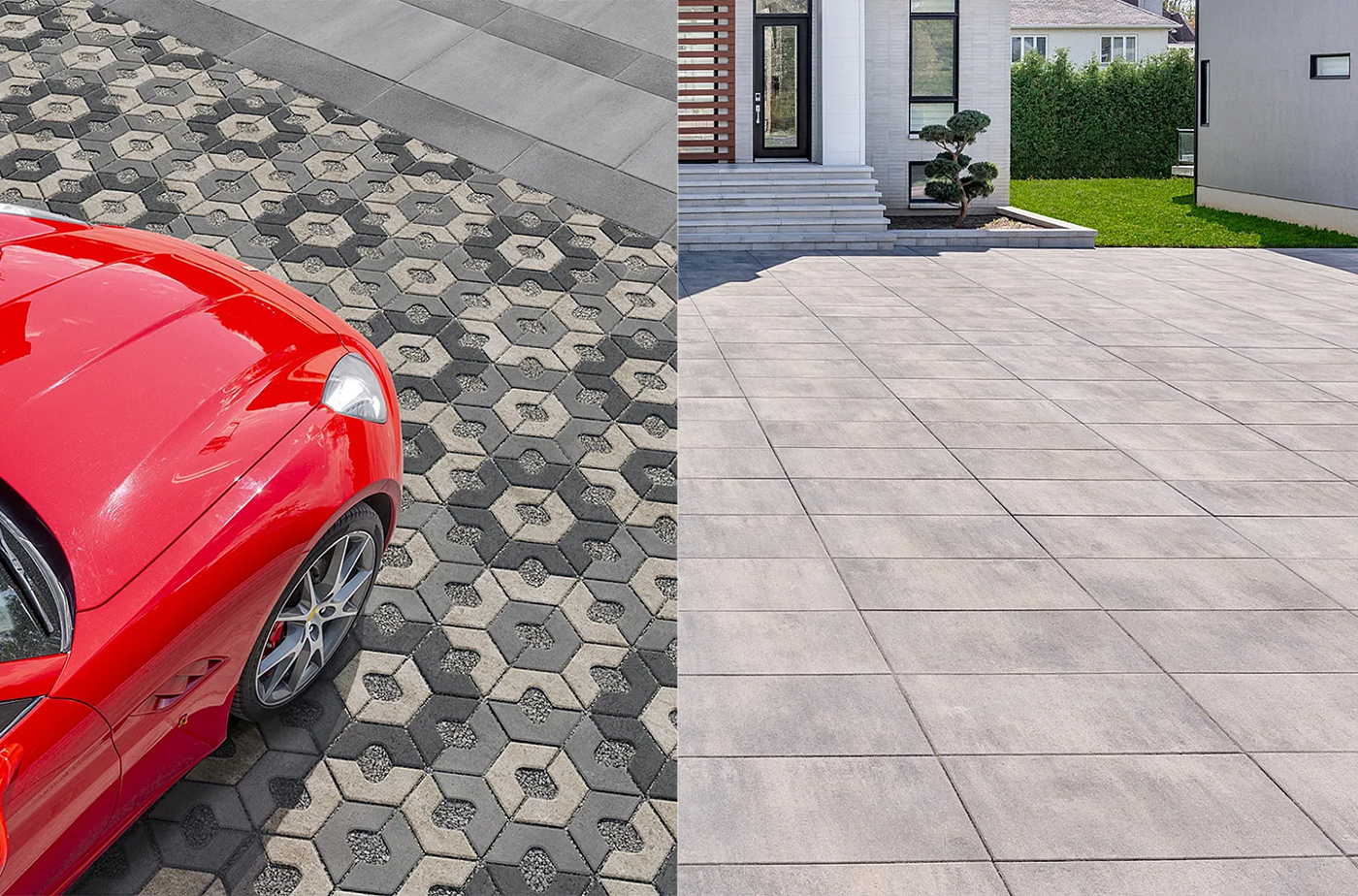
- Concrete interlocking pavers are the most common. They are used across driveways, patios, and walkways because they handle regular use well and come in a wide range of styles.
- Permeable pavers are designed to allow water to pass through the surface. These are often used in areas where drainage is a concern.
- Slab-style or large format pavers are used when you want a cleaner, more open layout. These work well in patios and modern outdoor spaces.
If you’re exploring options, going through a full range of interlocking paving stones helps you understand what fits best with your overall layout.
Key Benefits of Interlocking Pavement
There’s a reason interlocking pavement is used so widely. It solves a lot of the common issues people face with outdoor surfaces.
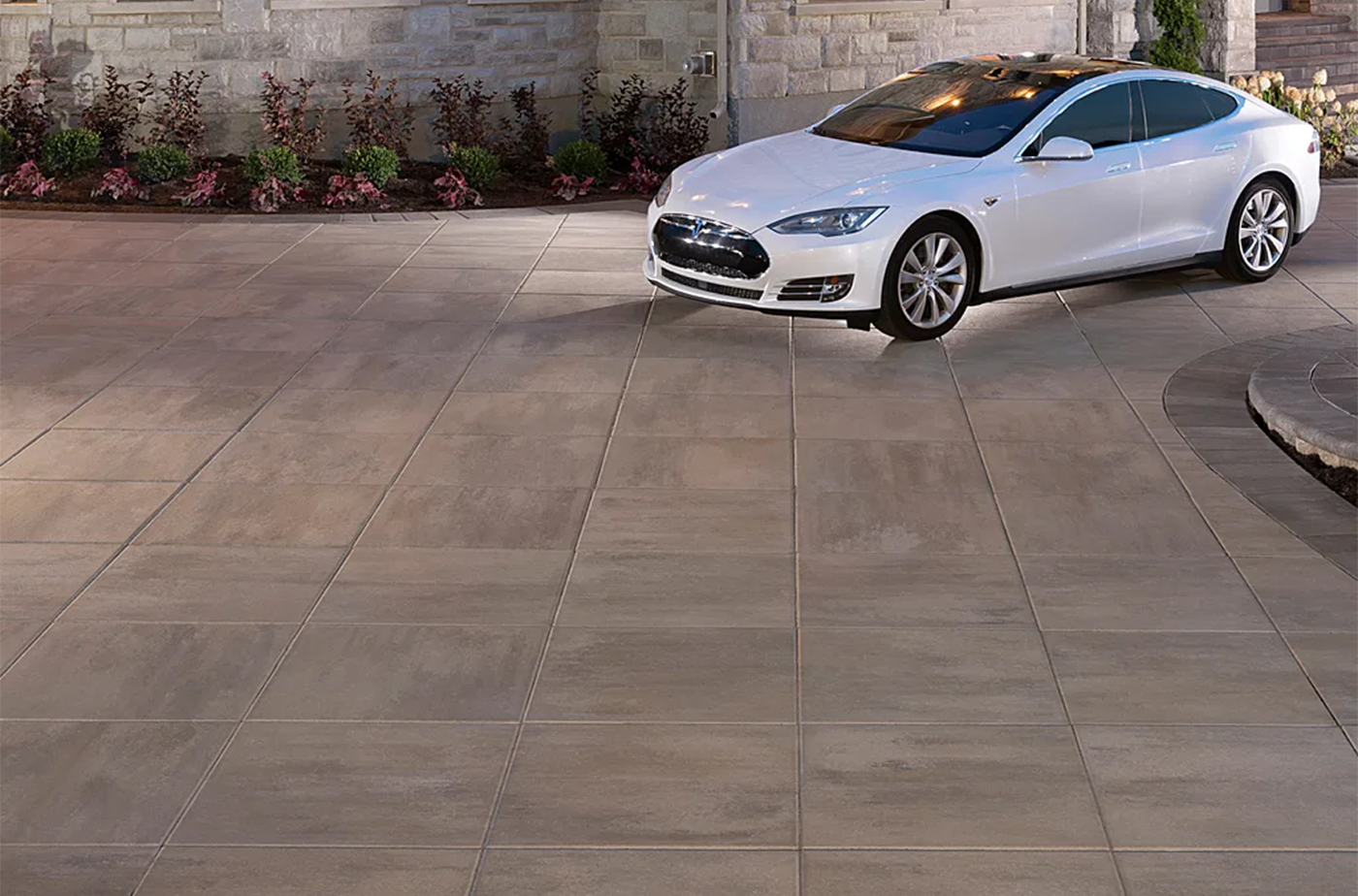
- Handles load well - Suitable for both walkways and driveways
- Less cracking - The system adjusts to movement instead of breaking
- Easy to repair - Individual units can be replaced without redoing the entire surface
- Better drainage - Water can move through joints instead of pooling
- Consistent finish - Keeps the space looking structured over time
Compared to poured surfaces, interlocking concrete pavement tends to hold up better in areas where movement and weather changes are common.
How much does Interlocking Pavement Costs?
The cost of interlocking pavement depends on several factors. Instead of looking at a fixed number, it’s better to understand what influences the overall cost.
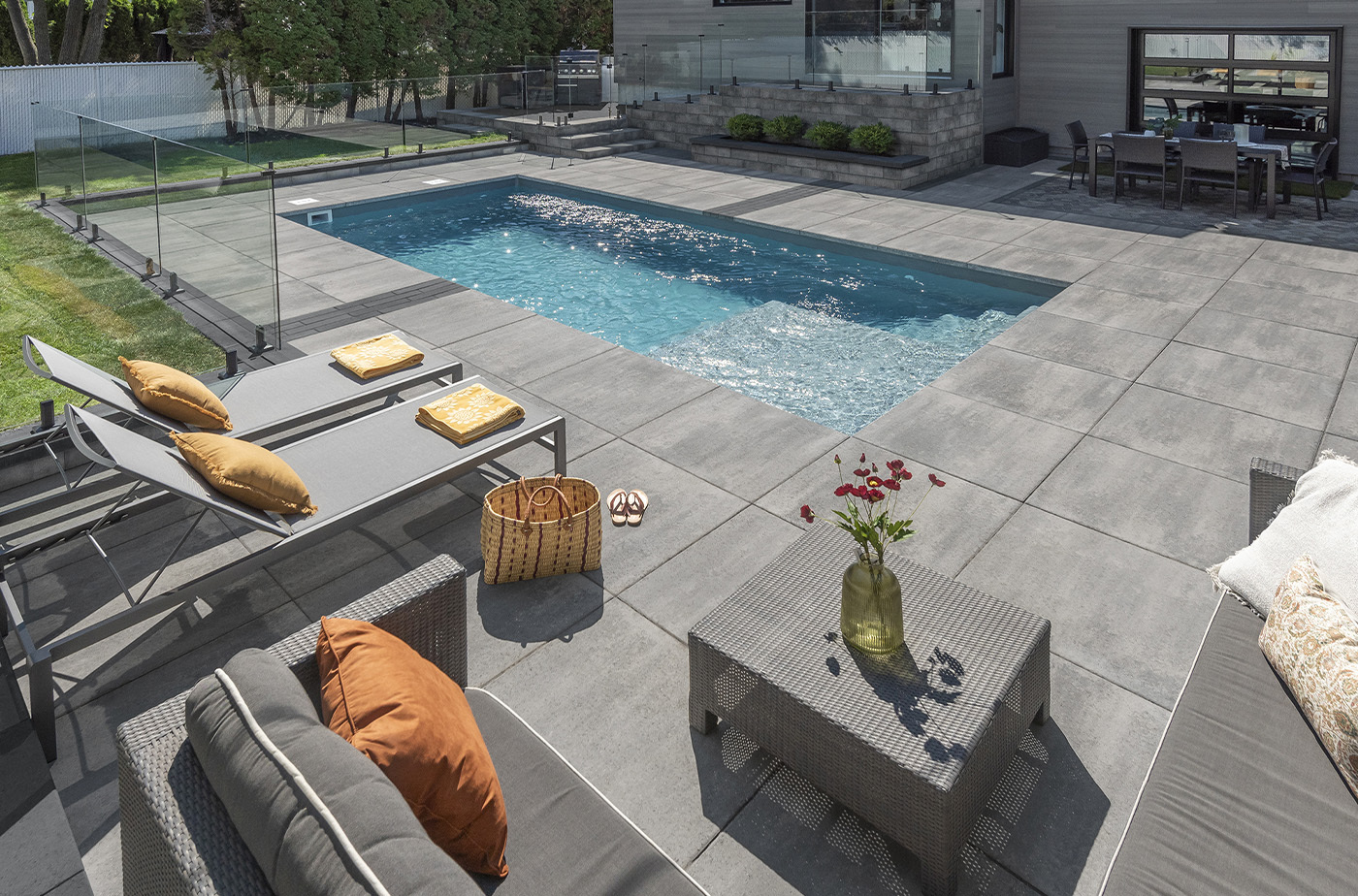
- Area size - larger spaces require more material and labor
- Base preparation - Proper groundwork is essential and affects pricing
- Material type - Different interlock paving block options vary in cost
- Design complexity - Patterns and layouts can increase installation time
A simple layout with standard interlocking pavers will cost less than a detailed design with multiple cuts and patterns. Planning the layout early helps avoid changes later, which is often where costs start to increase.
Popular Interlock Design Options for Outdoor Spaces
The layout you choose plays a big role in how your interlocking pavement looks and performs. Different patterns work better depending on the space, whether it’s a driveway, patio, or walkway.
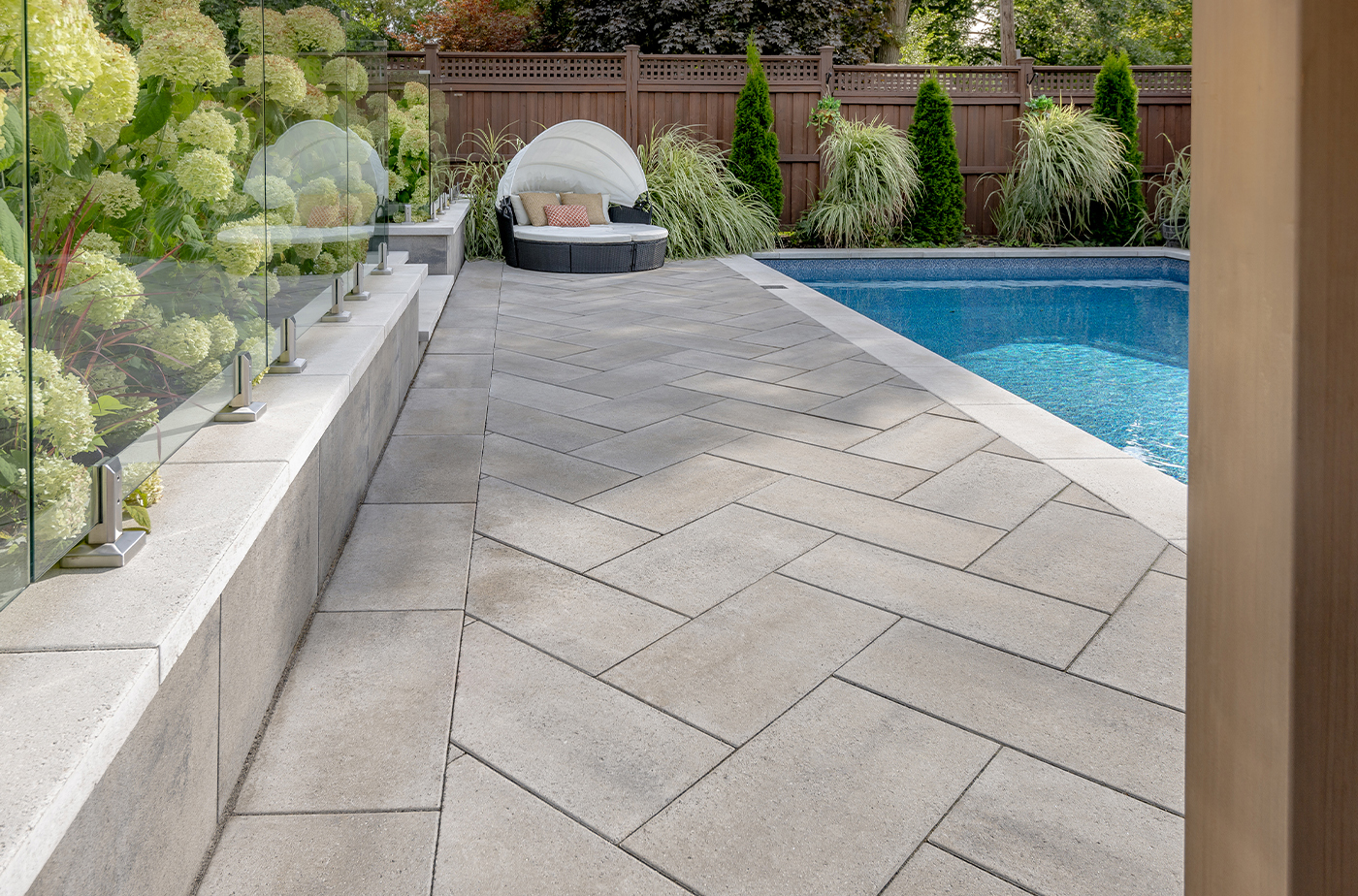
- Herringbone pattern
- Large format slab layouts (Proma XL style)
- Modular interlocking pavers design
- Linear / modern grid layouts
- Running bond pattern
Interlocking Pavement vs Concrete: Which Is Better?
This is one of the most common comparisons, and the difference comes down to how each surface behaves over time.
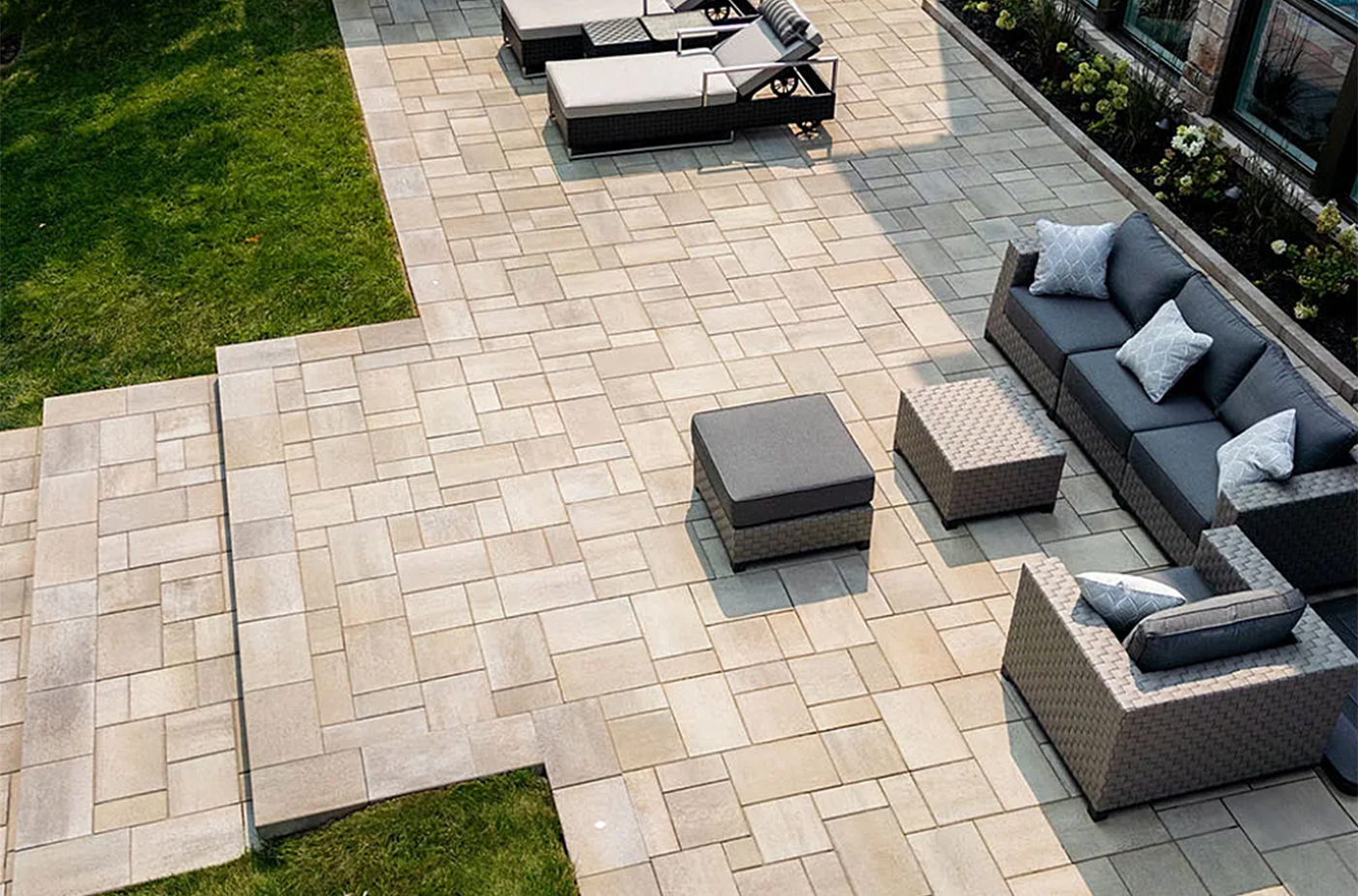
- Cracking vs flexibility: Concrete is a solid slab, so once it cracks, it’s difficult to fix. Interlocking pavement allows movement, which reduces visible damage.
- Maintenance: Concrete repairs often involve patching or replacing sections. With interlocking pavers, you can remove and replace only the affected area.
- Appearance: Concrete offers a uniform look, but limited variation. Interlocking pavement gives more flexibility in layout and pattern.
- Long-term use: Over time, interlocking concrete pavement tends to handle changes in ground movement better than poured concrete.
Choosing the Right Interlocking Pavers for Your Project
Selecting the right interlocking pavers comes down to how the space will be used and how it connects with the rest of your landscape.
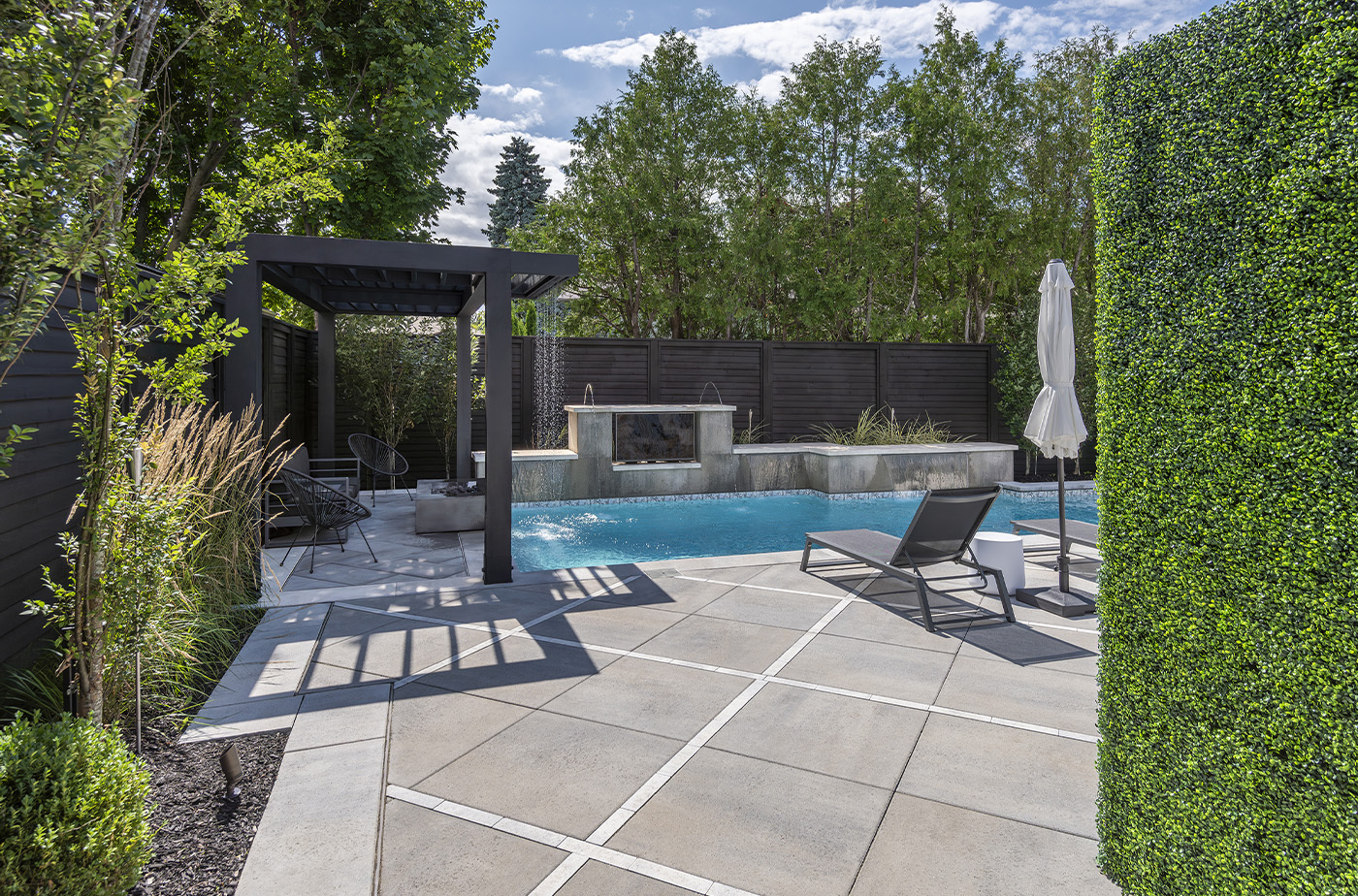
- Color selection should match surrounding elements like walls, steps, and structures so the overall interlocking pavement doesn’t feel disconnected
- Size and thickness should be chosen based on usage, with thicker interlock paving block options used for driveways and standard sizes for patios and walkways
- Layout consistency helps maintain a uniform look across different areas, especially when connecting driveways, patios, and interlocking pavers patio sections
- Surface texture and finish can affect both appearance and grip, which is important for areas like walkways and poolside spaces
- Edge restraints and borders should be considered to keep the interlocking pavers in place and maintain the structure over time
Common Mistakes to Avoid with Interlocking Pavement
Even a well-planned interlocking pavement project can run into issues if certain steps are missed.
- Poor base preparation
- Using the wrong pattern for load-heavy areas
- Ignoring drainage
- Mixing materials without a clear plan
Most of these problems come from rushing the early stages. Getting the foundation and layout right makes a big difference in how the surface performs later.
Why Interlocking Pavement Is a Smart Choice for Modern Landscaping?
More homeowners are choosing interlocking pavement because it fits well with how outdoor spaces are designed today.
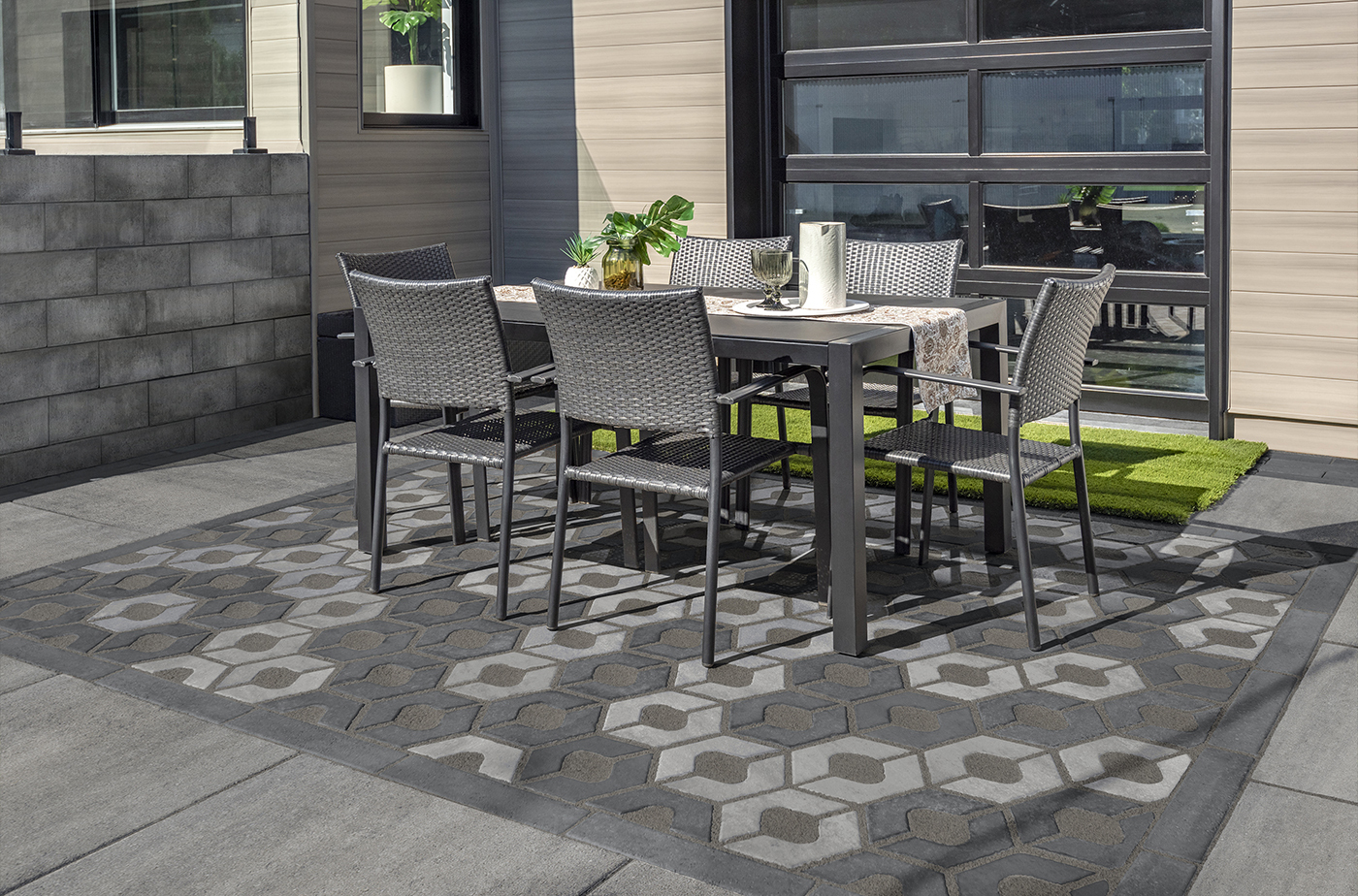
- Works across different areas like patios, driveways, and walkways
- Allows flexibility in layout without overcomplicating the design
- Holds up well over time with proper installation
Whether you’re working on a small backyard or a larger layout, it’s a system that adapts without needing constant changes