

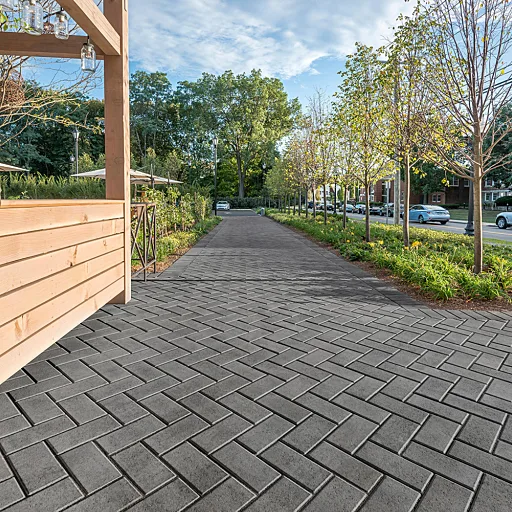
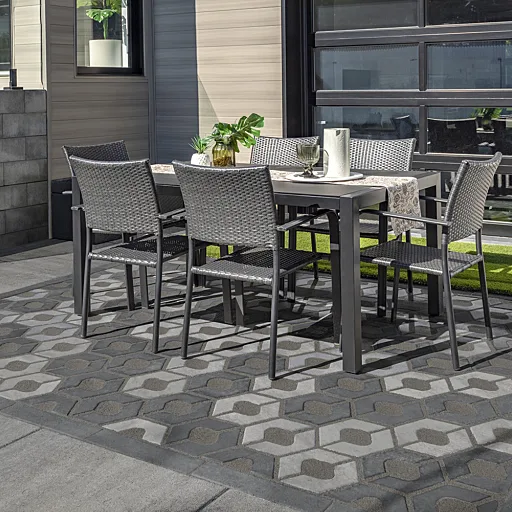

Other usages
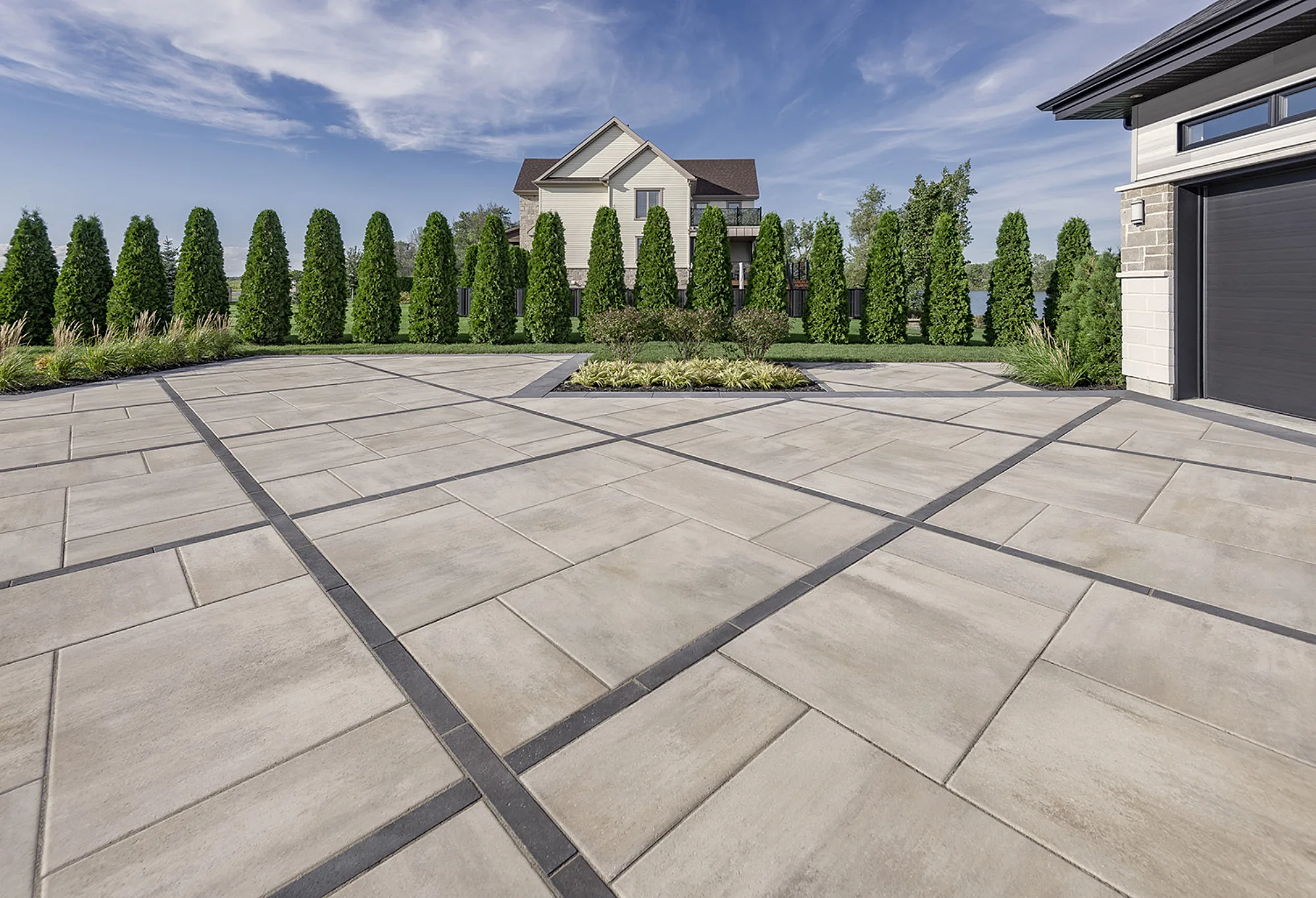
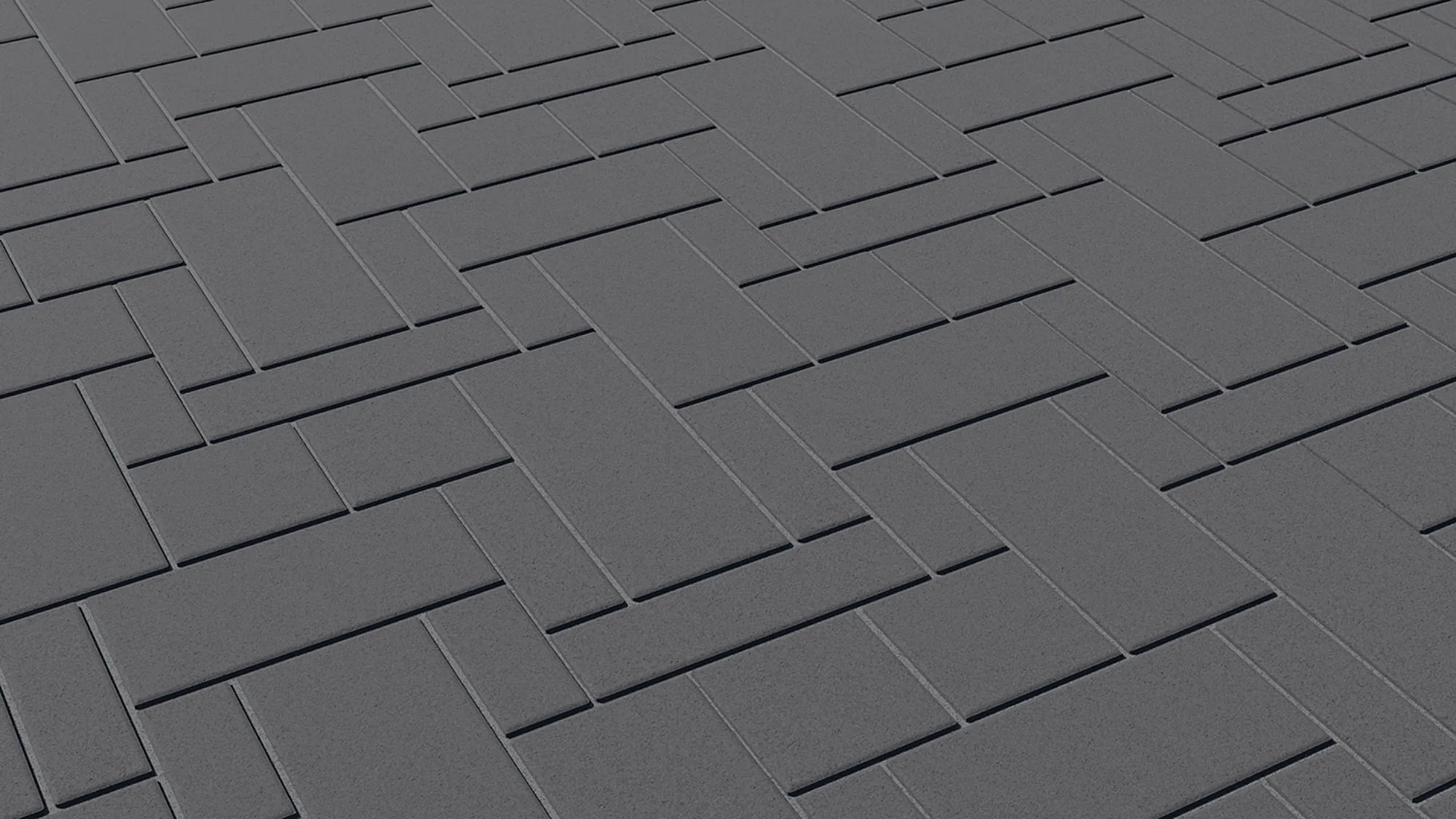



What Are Permeable Pavers?
Permeable pavers are interlocking concrete units installed with a specific joint system that allows water to seep into an underlying base of crushed stone. Instead of creating puddles or directing stormwater toward drainage systems, a permeable surface absorbs water on-site, reducing the burden on municipal infrastructure.
Unlike standard pavers, permeable pavers rely on:
- Wider or open joints filled with clean aggregates
- A multi-layered, highly permeable base
- Specialized installation techniques that support infiltration
This structure keeps the paved area strong while enabling rainfall to return to the soil, supporting groundwater recharge and surface-level stability.
Material Comparison for Permeable Pavers
Permeable Concrete Pavers
- Water Drainage: Allows full water infiltration
- Surface Stability: Stable interlocking surface
- Maintenance: Low routine maintenance
- Climate Performance: Excellent freeze-thaw performance
- Environmental Benefit: Reduces surface water runoff
Standard Interlocking Pavers
- Water Drainage: Limited drainage through joints
- Surface Stability: Stable interlocking system
- Maintenance: Occasional joint sand refill
- Climate Performance: Good freeze-thaw resistance
- Environmental Benefit: Minimal runoff reduction
Asphalt
- Water Drainage: Surface runoff only
- Surface Stability: Flexible paved surface
- Maintenance: Requires sealing and patching
- Climate Performance: Softens in high heat
- Environmental Benefit: No water management benefit
Poured Concrete
- Water Drainage: Non-permeable surface
- Surface Stability: Rigid solid surface
- Maintenance: Crack repairs over time
- Climate Performance: Crack risk in freeze-thaw
- Environmental Benefit: Increases surface runoff
Gravel
- Water Drainage: Natural water infiltration
- Surface Stability: Loose shifting surface
- Maintenance: Regular leveling required
- Climate Performance: Washout in heavy rain
- Environmental Benefit: Natural but uncontrolled drainage
Permeable concrete pavers are designed to manage water more effectively while maintaining a stable and durable surface. By allowing water to pass through the system, they help reduce surface runoff and support better drainage, making them a practical option for outdoor spaces exposed to changing weather conditions.
Benefits of Permeable Concrete Pavers
Permeable pavers provide advantages that go far beyond surface drainage. They contribute to environmental performance, long-term ground stability, and improved safety in high-traffic areas.
- Better stormwater control: Traditional paved surfaces push water outward, which can cause pooling, ice patches, and unwanted flow across walkways or driveways. Pervious pavers break that pattern by moving water downward through the joints. This softens the impact of heavy rainfall and lowers the chance of runoff entering streets or nearby properties.
- Improved ground stability: Because the stone base stores water before releasing it slowly, surfaces with permeable interlocking concrete pavers tend to stay more consistent over time. The base system supports weight evenly and reduces the risk of shifting. This makes these pavers ideal for areas used by vehicles, delivery trucks, and regular foot traffic.
- Cleaner water movement: As water passes through the stone layers, the materials naturally filter out debris. This simple process helps keep surrounding soil healthier and reduces the amount of sediment entering municipal drainage networks.
- Reduced ice formation in winter: When water drains downward instead of sitting on the surface, there is less chance of ice forming during freeze-thaw cycles. This can make permeable driveway surfaces more reliable during the winter months.
- Sustainable choice for long-term use: Many cities and engineers encourage or require permeable paving in urban developments to meet environmental guidelines. Choosing porous pavers today can make future compliance easier and support more responsible land use.
These permeable pavers benefits apply to large commercial parking areas and small residential driveways alike. Whether the goal is practicality, compliance, or longevity, permeable pavers offer a dependable solution.
Explore the full guide explaining the benefits of permeable pavement in your landscaping.
Permeable Pavers Installation
Installing permeable concrete pavers is different from a standard interlocking system. The goal is to create an open drainage path underneath the surface while keeping everything stable and level.
Here is how a typical permeable pavers installation is completed:
- Site preparation: Contractors begin by excavating the area to accommodate several stone layers. The depth depends on soil conditions and the expected traffic load. Soft soil may require deeper excavation, while stable ground allows for a more moderate base. Sub-base placement: A thick layer of clear, angular stone is added at the bottom. This layer stores water during storms and slowly releases it into the soil. The stone is compacted to create a strong foundation.
- Base layer installation: A second layer of smaller clear stone goes above the sub-base. This layer adds support and keeps the system free-draining.
- Setting bed placement: A thin layer of even smaller stone is spread across the base. This setting bed helps level the area and provides a flat surface for the pavers.
- Laying the pavers: The permeable pavers are placed on the setting bed in the chosen pattern. Contractors carefully maintain consistent joint spacing so water can pass through effectively.
- Joint filling: Joints are filled with clear stone instead of regular sand. This allows water to move through the openings without clogging the drainage system.
- Final compaction and inspection: The surface is compacted to lock everything into place. Contractors then check slope, joint fill, and stability to ensure proper function.
A properly installed permeable pavers system requires very little maintenance. Occasional sweeping and light vacuuming help keep the joint openings clear so water continues to drain smoothly.
Why Choose Rinox Permeable Pavers?
Rinox permeable pavers are considered one of the best options in Canada because they offer strong performance, reliable drainage, and long-term value for both residential and commercial projects.
- Rinox permeable concrete pavers are made with high-quality concrete that holds up well to weather changes and daily use.
- The joint design allows water to move through quickly for steady and reliable drainage.
- The pavers lock into place firmly to keep spacing consistent on every installation.
- All Rinox concrete pavers come with a 25-year warranty, giving long-term confidence to property owners.
- Contractors appreciate the simple installation process and strong product reliability.
- Homeowners get a clean, modern look with a wide selection of colors and textures.
- The products work well for permeable driveways, walkways, patios, and commercial permeable parking areas.
- Rinox provides dependable technical support to help contractors meet drainage and project requirements.
FAQs: Permeable Pavers
Related Blogs

The Benefits of Permeable Pavement in Landscaping: Sustainable Style
Want to start your project?
Ask for a quote