
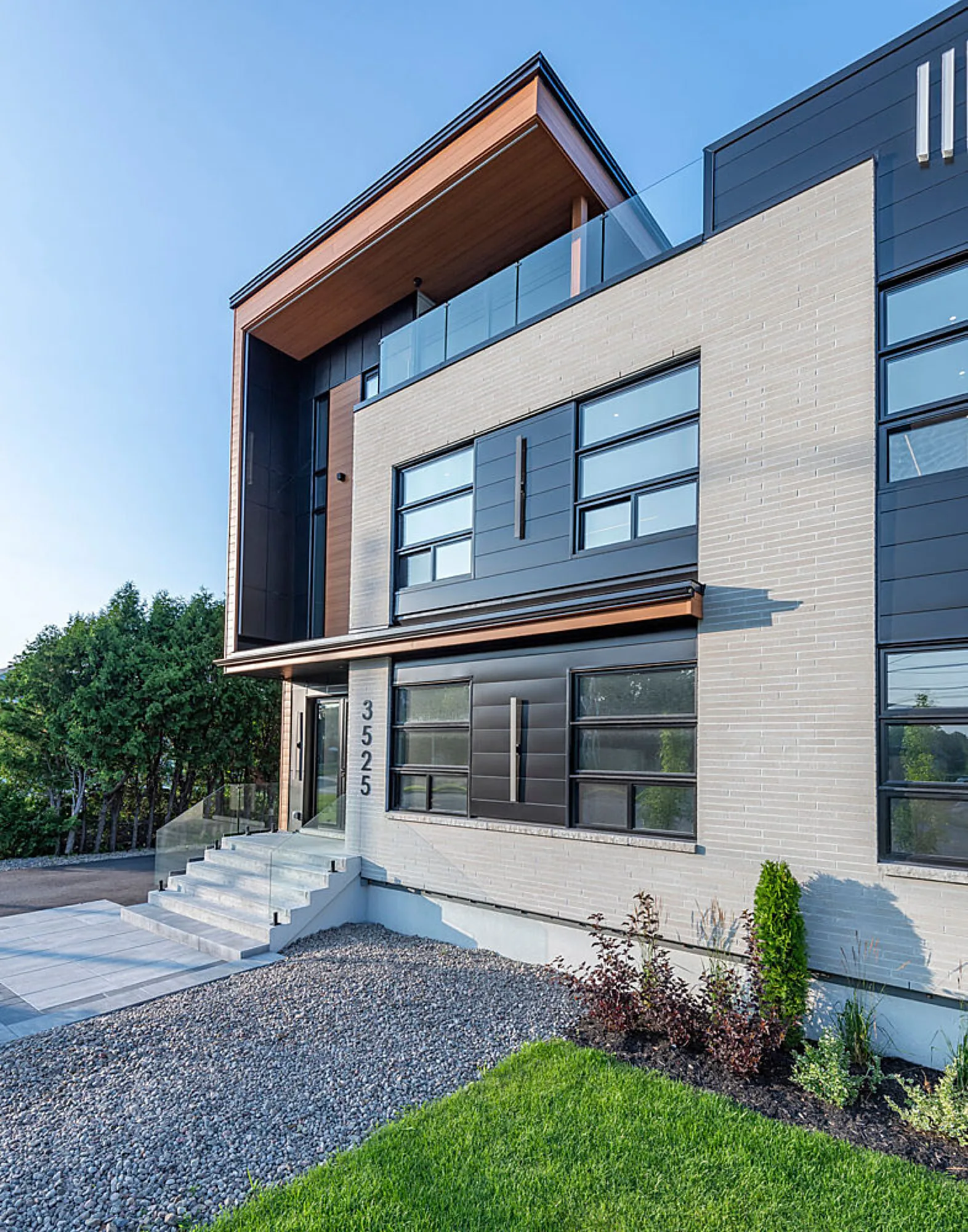
Brick masonry has been a trusted construction method for centuries, known for its strength, classic appearance, and long-lasting value. From historic buildings to modern homes, brick masonry continues to be a popular choice for exterior walls and house siding. But what exactly is brick masonry, and why do homeowners and builders still rely on it today?
What Is Brick Masonry?
Brick masonry refers to the construction of walls and structures using bricks bonded together with mortar. The process involves laying bricks in specific patterns to create strong, durable, and weather-resistant walls. Depending on the design, brick masonry can be used for both load-bearing walls and decorative façades.
The basic components of brick masonry include:
- Bricks: Usually made from clay or concrete, available in multiple sizes and textures.
- Mortar: A mixture of cement, sand, and water that binds the bricks together.
- Joints: The spaces between bricks filled with mortar that add both strength and visual style.
When done properly, brick masonry provides a solid structure that can last for decades with minimal maintenance.
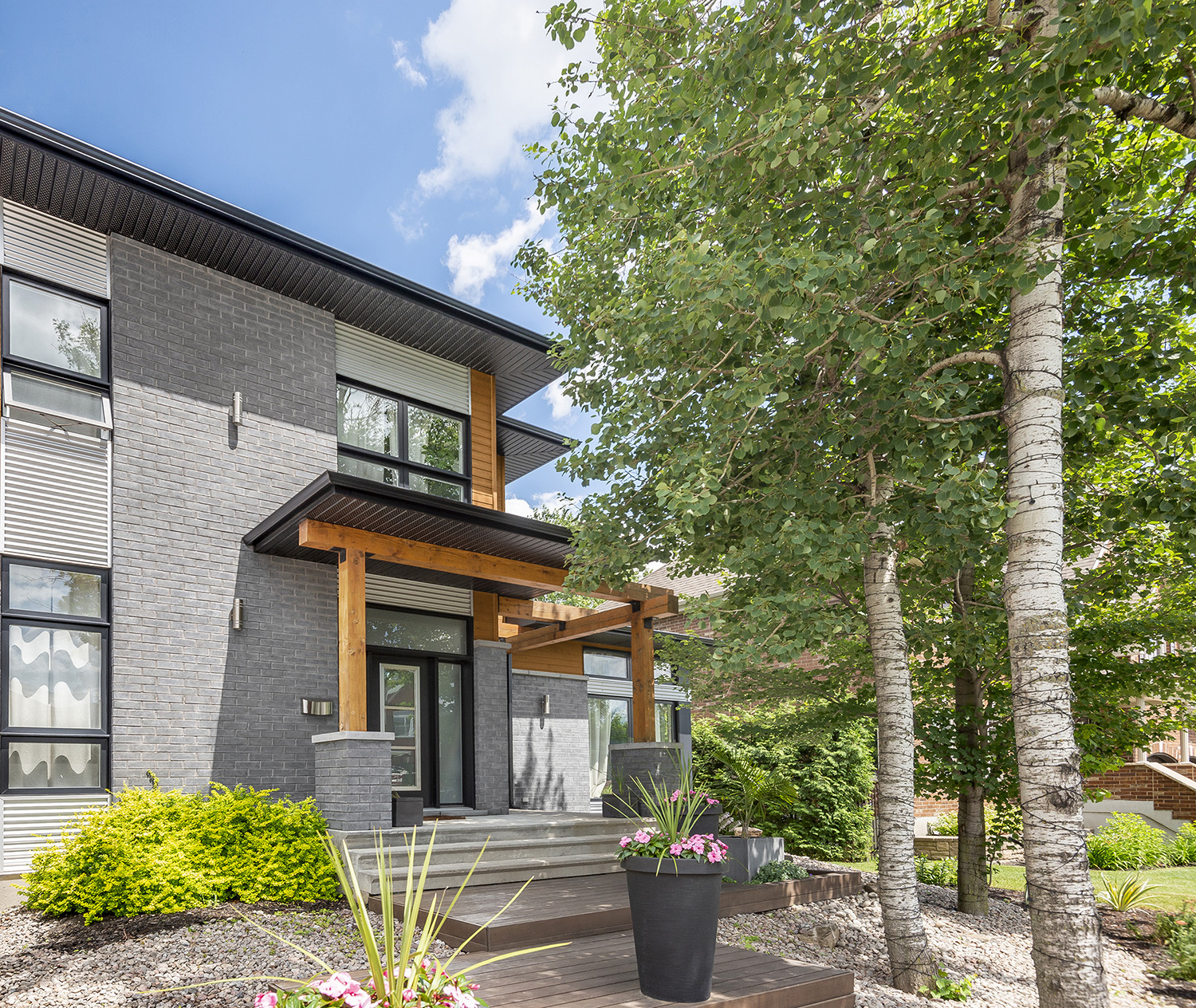
Types of Brick Masonry
Different types of brick masonry are used depending on the structure’s purpose, design, and budget.
Here are the most common types:
1. Brick in Cement Mortar
This is the most common type of brick masonry used in modern construction. Cement mortar provides excellent bonding and weather resistance, making it ideal for house exteriors and structural walls.
2. Brick in Lime Mortar
An older technique still found in heritage buildings. Lime mortar allows slight flexibility, which helps in preserving older brick structures without cracking.
3. Reinforced Brick Masonry
This type includes steel reinforcement bars placed between layers of bricks for added strength. It’s used where walls must bear heavy loads or resist seismic activity.
4. Solid Brick Masonry
In this traditional form, the entire wall is made of bricks, providing excellent insulation and soundproofing. It’s commonly used in historic homes.
5. Brick Veneer Masonry
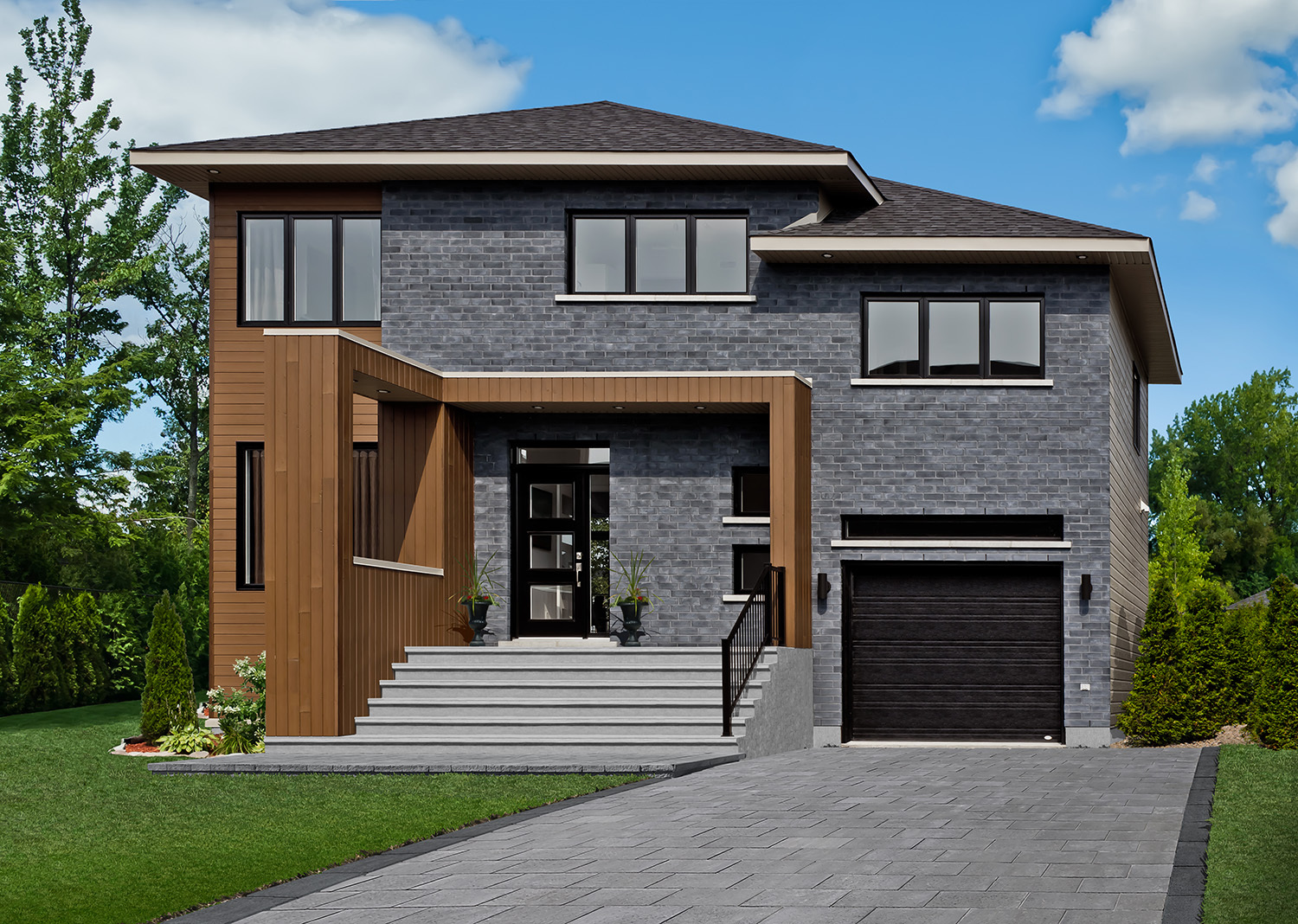
Brick veneer looks like solid brick but functions differently. Here, a single layer of brick is attached to the outside of a wood or steel frame wall, offering the visual appeal of brick without the added weight. It’s one of the most popular choices for modern brick siding.
Why Choose Brick Masonry for House Siding?
Homeowners often choose brick masonry siding because it offers a mix of beauty, practicality, and performance that few materials can match.
1. Durability and Strength
Brick masonry siding can withstand harsh weather, from freezing winters to hot summers. It doesn’t warp, dent, or fade like vinyl or wood, making it a long-term investment.
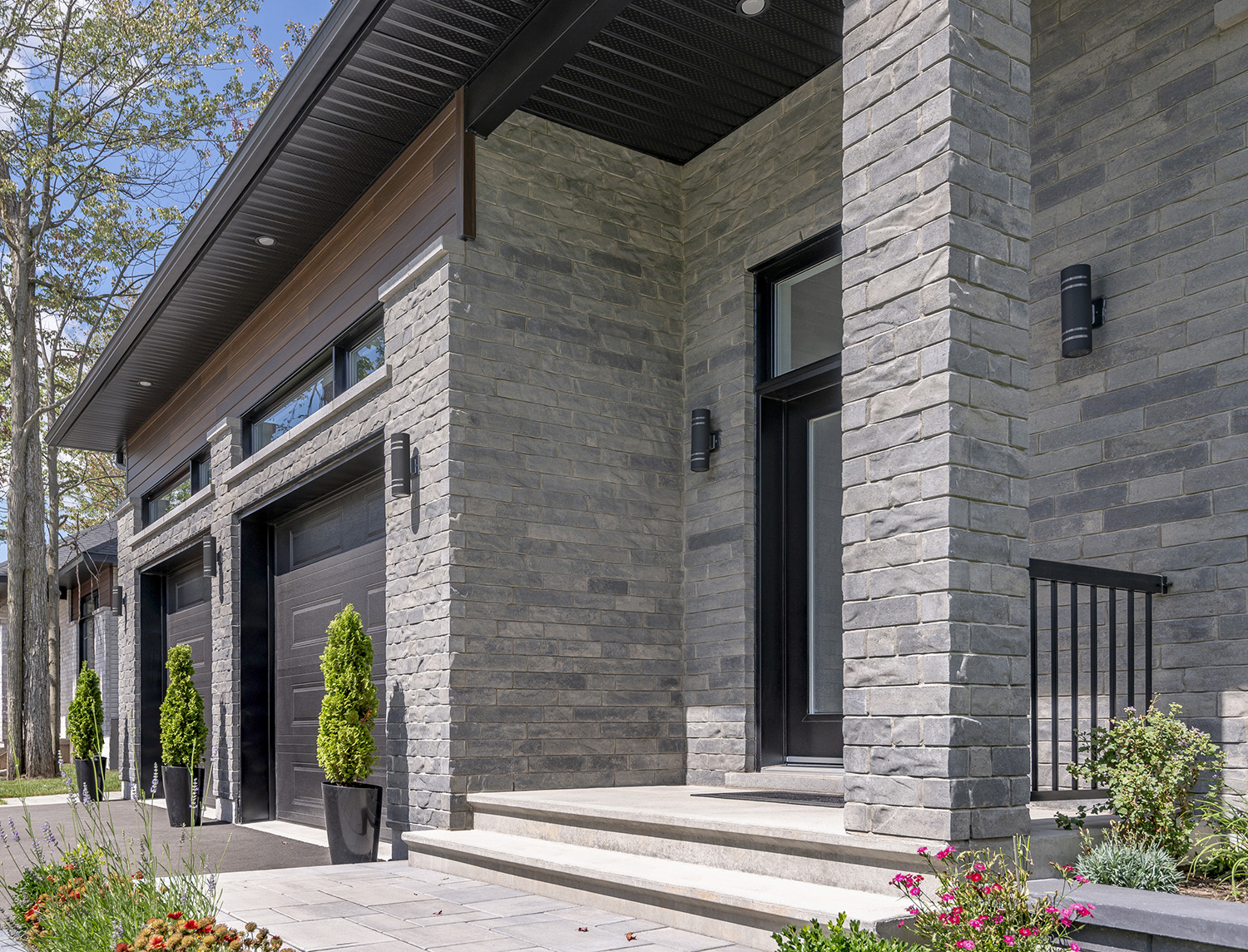
2. Beautiful Luxury Look
Brick masonry brings a natural and elegant look to any home. Whether you prefer a rustic red brick wall or a sleek modern gray finish, brick siding adds character that never goes out of style.

3. Low Maintenance
Unlike wood siding that needs frequent painting or sealing, brick requires very little upkeep. Occasional cleaning and mortar touch-ups are usually enough to keep it looking new for years.
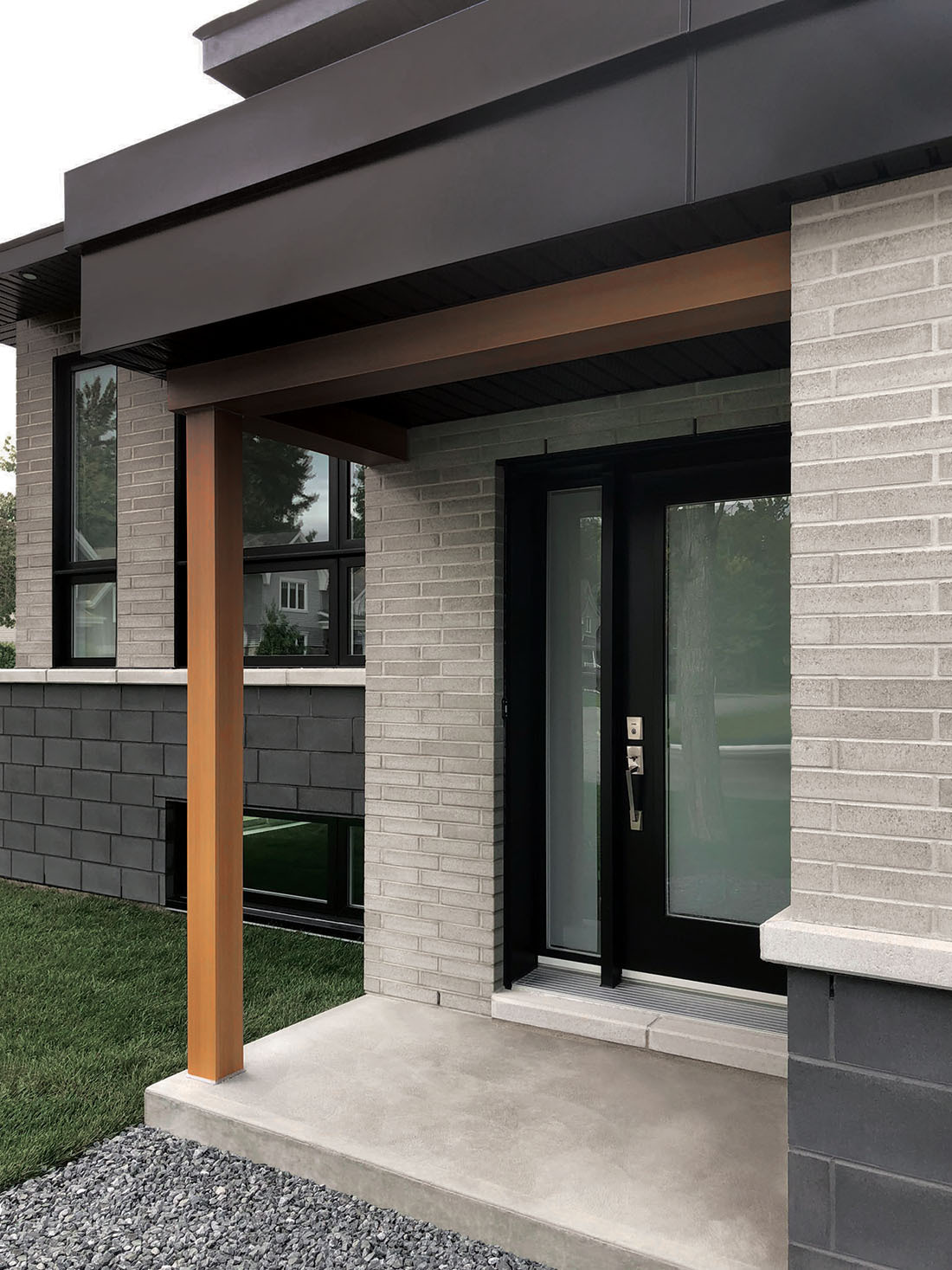
4. Energy Efficiency
Brick’s dense structure acts as a thermal mass, helping regulate indoor temperatures. Homes with brick veneer
or full brick walls stay cooler in summer and warmer in winter, reducing energy costs.
5. Fire and Pest Resistance
Brick is naturally fire-resistant and does not attract termites or other pests, offering better protection and peace of mind.
Brick Masonry vs. Brick Veneer: What’s the Difference?
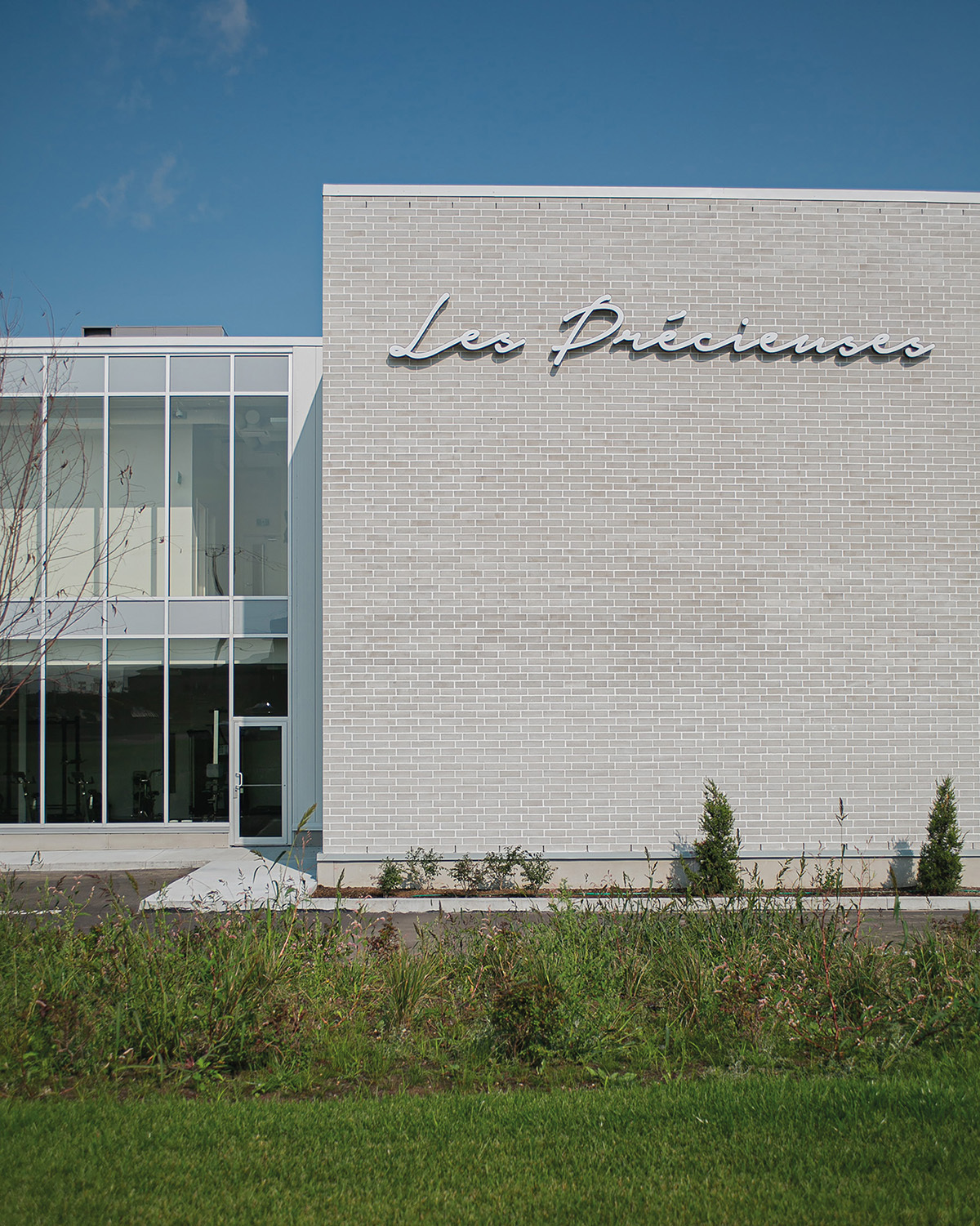
Many homeowners use the terms brick masonry and brick veneer interchangeably, but they’re not the same. The main difference lies in their structure and purpose.
Brick masonry refers to a wall built entirely of bricks, making it load-bearing and self-supporting. Because of the solid brick layers, it’s heavier, thicker, and provides excellent thermal mass, which helps with natural insulation. This type of construction is more expensive due to the higher amount of material and labor required, but it offers exceptional durability and a traditional appearance.
Brick veneer, on the other hand, is a single layer of brick attached to a wood or metal frame. It serves as a decorative outer shell rather than a structural wall. Veneer is much lighter, more affordable, and quicker to install. However, since it isn’t load-bearing, it typically requires additional insulation behind the brick layer to improve energy efficiency.
Both options offer the beauty and longevity of brick, but the choice depends on budget, construction style, and the level of insulation desired. Brick veneer suits modern homes that need a lightweight siding option, while solid brick masonry is perfect for those seeking full structural strength and authentic brick construction.
Common Patterns Used in Brick Masonry
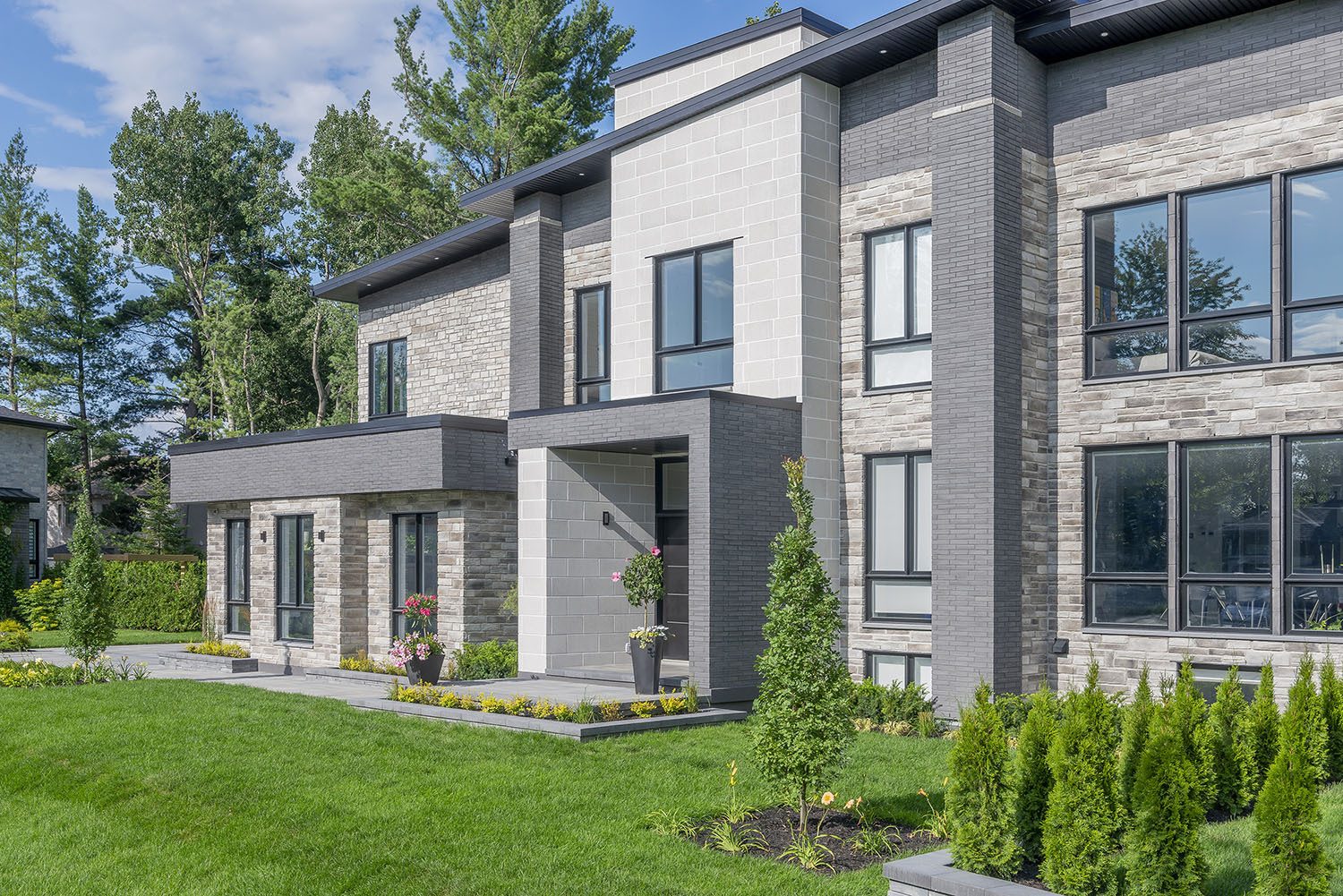
The way bricks are laid, known as the bond pattern, affects both the look and strength of the wall. Common patterns include:
- Running Bond: The most common pattern, with bricks offset by half their length.
- Flemish Bond: A decorative pattern mixing headers and stretchers in each row.
- Stack Bond: Bricks are stacked directly above each other, often used in modern designs.
These patterns allow builders and architects to achieve different looks while maintaining structural reliability.

Tips for Maintaining Brick Masonry Siding
Although brick siding is low-maintenance, a few simple steps can extend its life and keep it looking fresh:
- Inspect mortar joints for cracks and fix if necessary.
- Avoid high-pressure washing that can damage mortar.
- Ensure proper drainage in installation to prevent water absorption.
Why Brick Masonry Continues to Stand Out
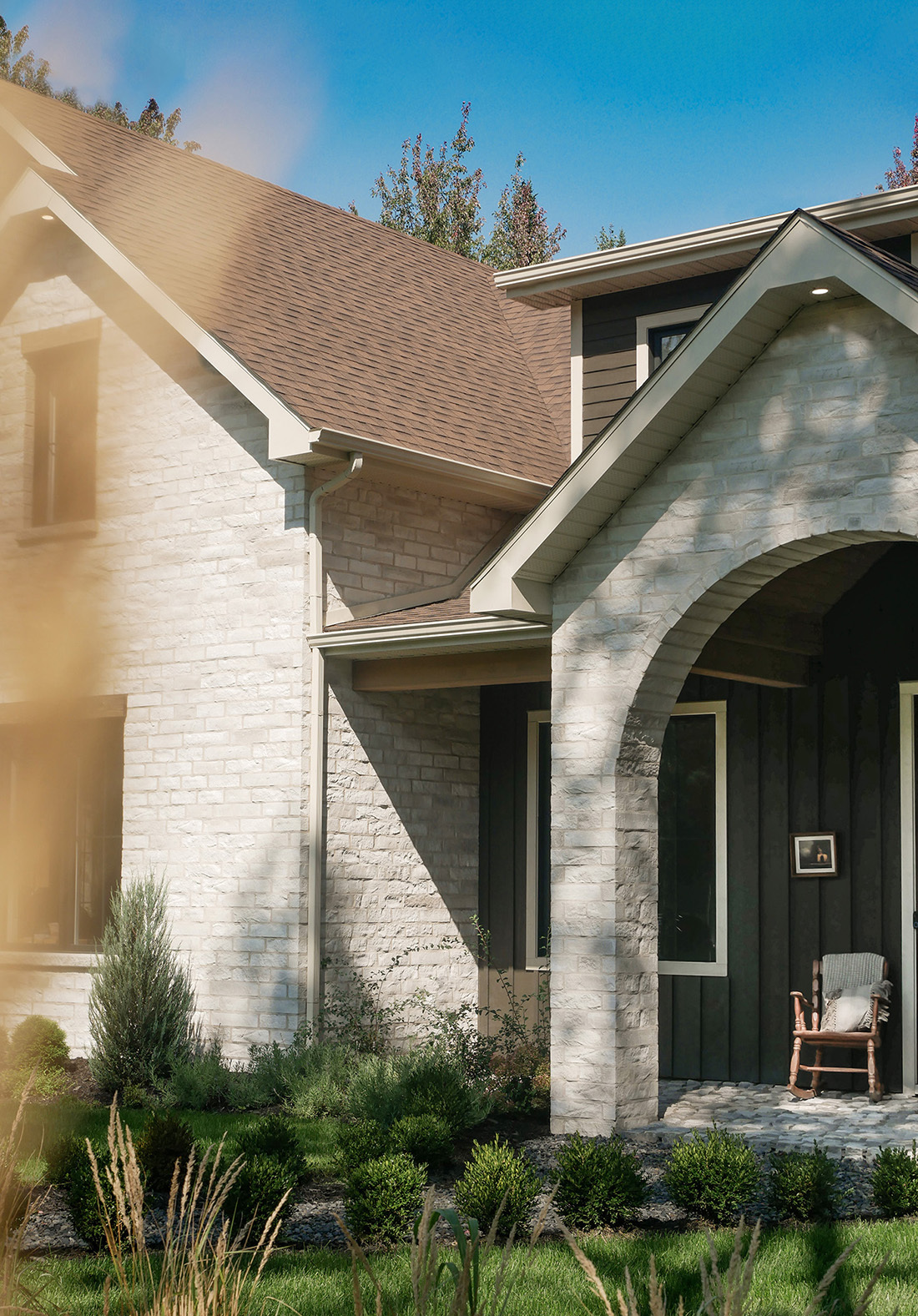
Brick masonry offers the rare combination of durability, design flexibility, and sustainability. It’s made from natural materials, provides excellent insulation, and adds real value to a property. With a wide range of color and texture options, it fits effortlessly into both traditional and contemporary architectural styles.
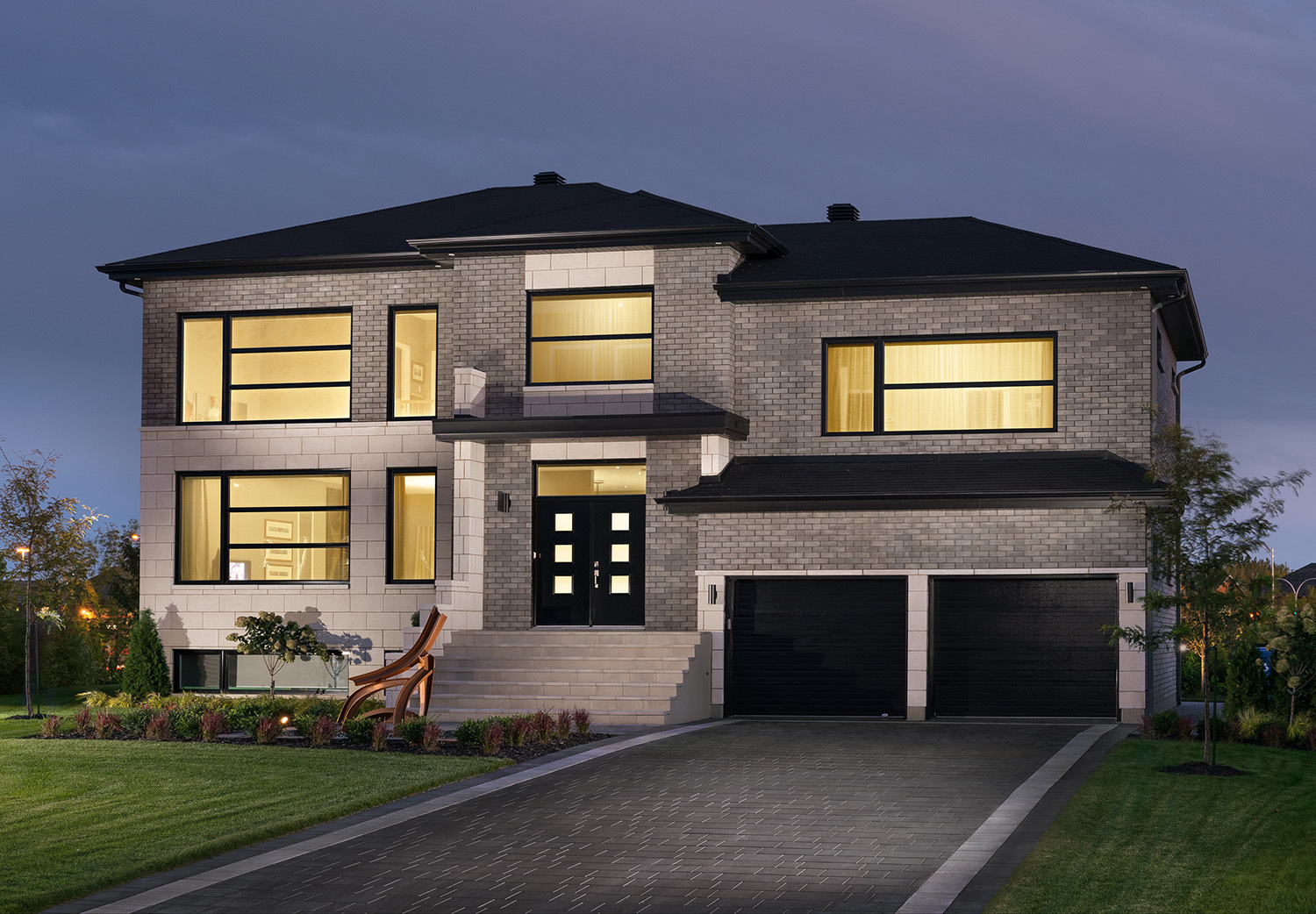
Explore Rinox Masonry Bricks
If you’re planning a brick masonry project or looking to upgrade your home’s exterior, Rinox masonry bricks offer the perfect combination of durability and design. Made in Canada with high-quality concrete, these bricks are built to last through every season while keeping their color and texture over time. Our masonry bricks are available in a range of shades and finishes, they give homeowners and builders the flexibility to create both modern and traditional looks.
Explore the full collection of Rinox Masonry Bricks to find the right match for your next siding or architectural project.
Conclusion
Whether you’re building a new home or upgrading your exterior, brick masonry remains one of the most dependable and stylish choices for house siding. From classic red brick walls to modern thin brick veneers, its strength, energy efficiency, and timeless appeal make it a building material that truly stands the test of time.